
The Fading Appeal of the Flawless Finish
For a generation, the aspirational Indian home looked like it could be anywhere in the world. High-gloss laminates, acrylic surfaces, and mass-produced furniture promised a clean, modern, and distinctly global aesthetic. This look was a symbol of progress,
a break from the perceived clutter of the past. It was easy to clean, quick to install, and signaled an upwardly mobile lifestyle. But for a growing number of homeowners and designers, that perfection has started to feel impersonal and sterile. The uniform, factory-made feel that once felt new now feels disconnected from a sense of place and personality. The pendulum is swinging back, and it's swinging away from plastic-based materials and toward something with more soul.
A Return to Cultural Roots
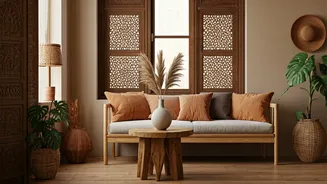
This shift isn’t just about aesthetics; it's about identity. As India’s economy and global influence have grown, so has a collective confidence in its own cultural heritage. Instead of looking outward for design cues, many are now looking inward. This has sparked a renaissance in traditional craftsmanship and indigenous materials that were once at risk of being forgotten. Choosing a hand-carved wooden screen over a plastic divider, or a handwoven cotton textile over a polyester blend, is a conscious act of celebrating local identity. It's a way of embedding story, history, and a sense of belonging into the very walls of one’s home. This movement, often called “India Modern,” isn't about creating a museum of the past; it’s about integrating timeless crafts into contemporary living.
The New Material Palette: Earthy and Authentic
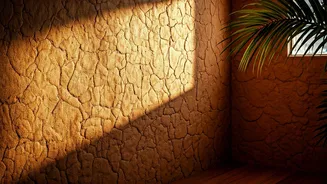
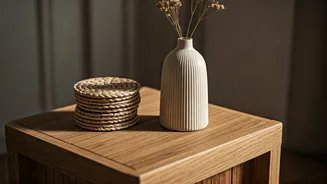
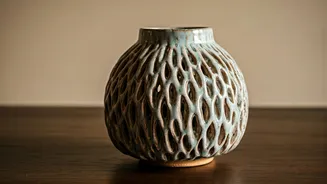
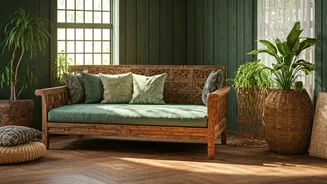
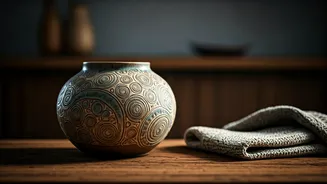
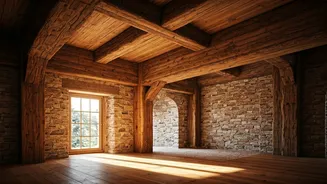
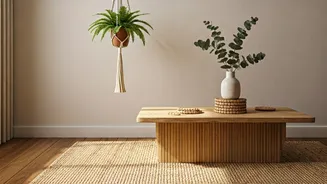
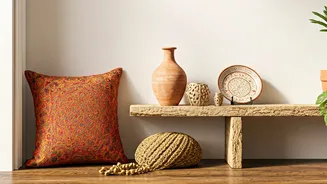
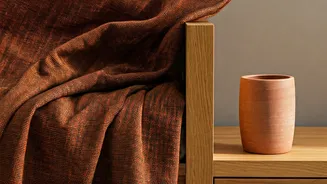
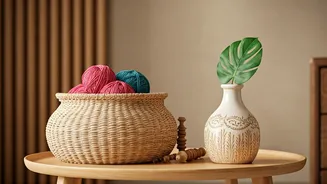
So, what is replacing the synthetics? The new material palette is a celebration of the raw, the textured, and the perfectly imperfect. Rattan, cane, and jute are being woven into everything from light fixtures and chairs to cabinet fronts, adding warmth and intricate pattern. Terracotta and clay are no longer just for garden pots; they’re appearing as floor tiles, decorative wall hangings, and rustic tableware, celebrated for their earthy red tones. Local stones like Jaisalmer yellow sandstone and Kadappa black limestone are being chosen for their durability and unique character. In textiles, synthetic velvets are giving way to breathable, hand-loomed fabrics like khadi (hand-spun cotton), linen, and matka silk. These materials don’t just look different; they feel different, engaging the senses with their natural textures and subtle variations.
Sustainability and Well-being as the New Luxury
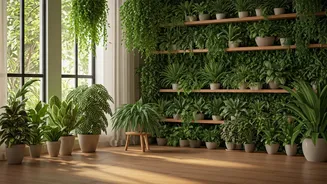
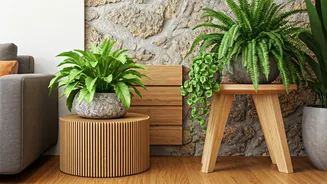
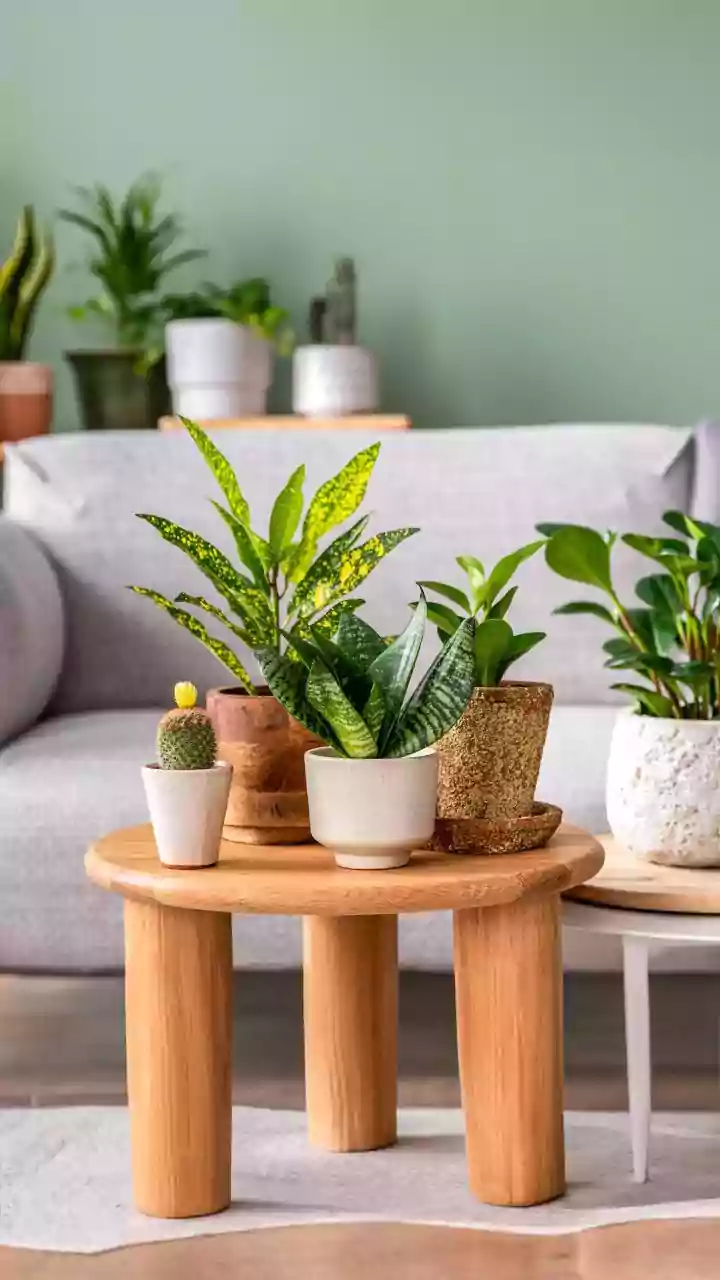
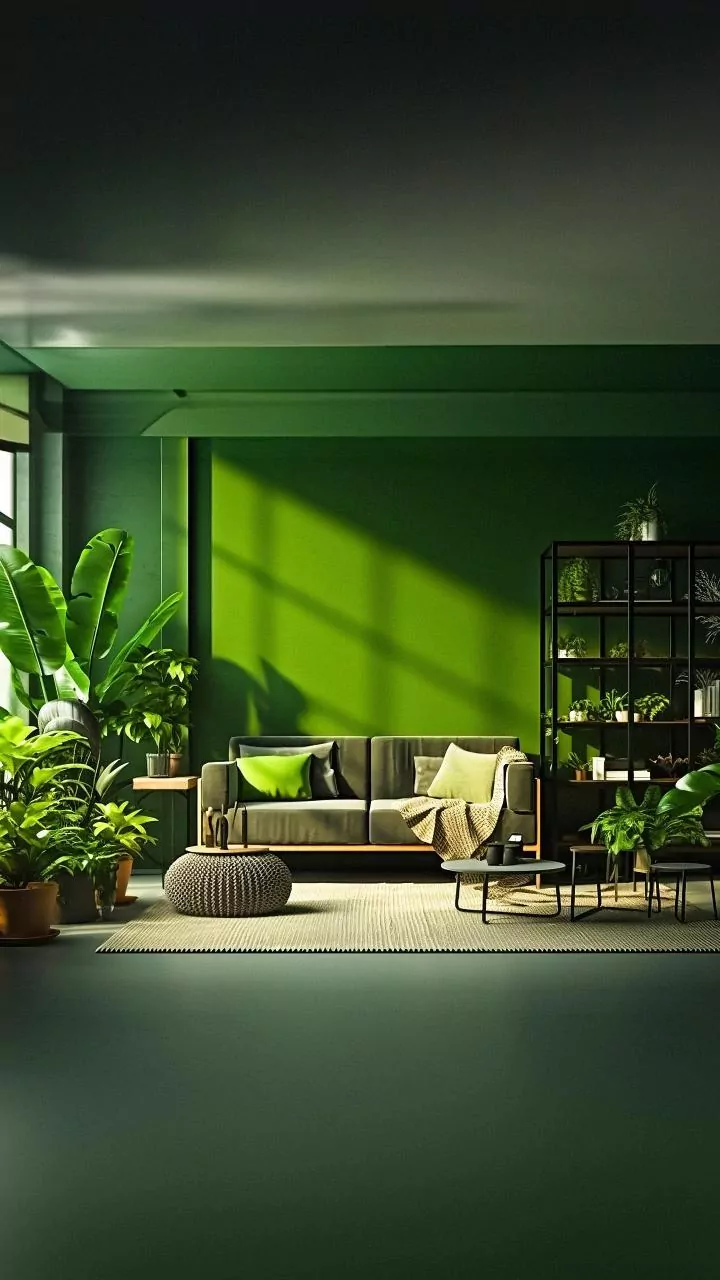
This move towards natural decor is deeply intertwined with the global push for sustainability and wellness. Indian consumers, like their counterparts worldwide, are increasingly aware of their environmental footprint. Opting for locally sourced wood, bamboo, or stone reduces the carbon emissions associated with shipping. Supporting artisans who use age-old, low-impact techniques helps preserve both cultural and ecological knowledge. Furthermore, there's a growing understanding of how our indoor environments affect our well-being. Filling a home with natural, non-toxic materials—a concept known as biophilic design—is seen as a way to create a healthier, more calming sanctuary. In this new definition of luxury, the ultimate status symbol isn't a flawless imported surface, but a home that is good for the planet and good for the soul.