




A Post-Pandemic Bloom
If it feels like every other person you know suddenly has a miniature farm thriving next to their toaster, you’re not imagining it. The resurgence of the kitchen-counter garden is a direct response to our times. The trend, which had been slowly building
for years, exploded during and after the pandemic. Stuck at home, Americans sought new hobbies that were both grounding and productive. Gardening fit the bill perfectly. But more than just a way to pass the time, it tapped into a deeper desire for self-sufficiency. Watching grocery store shelves empty and hearing about supply chain disruptions made the idea of growing your own food—even just a handful of herbs—feel empowering. This wasn't about going off-grid; it was about reclaiming a small measure of control in an uncertain world. The kitchen garden became a symbol of resilience, a quiet act of providing for oneself and one's family.
The Instagrammable Harvest
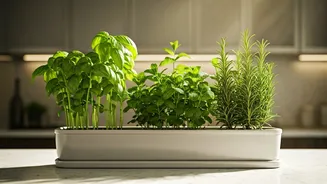
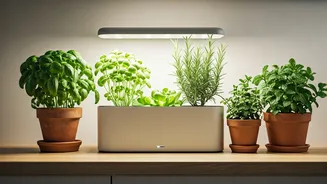
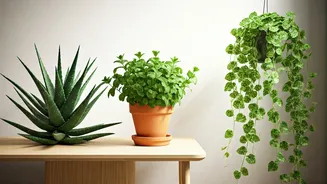
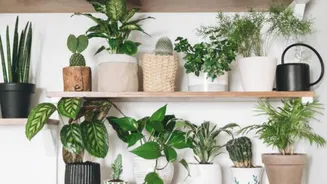
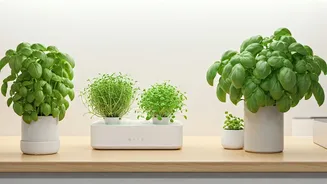
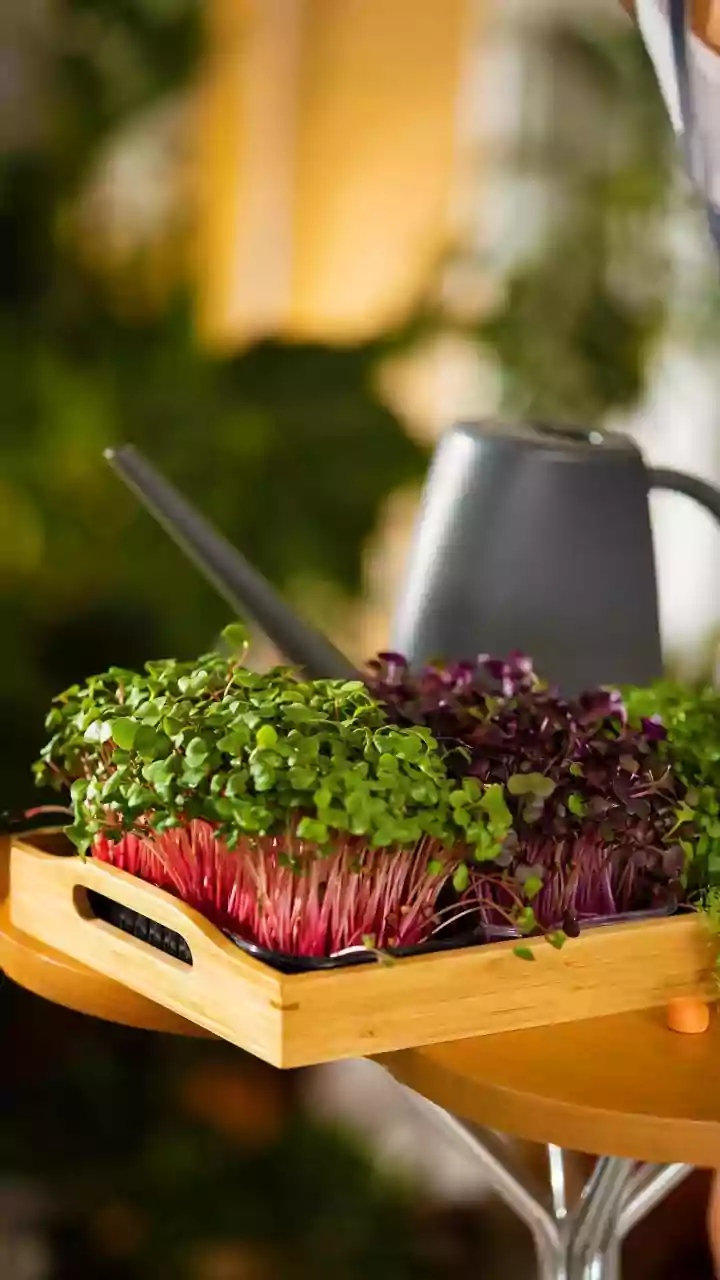
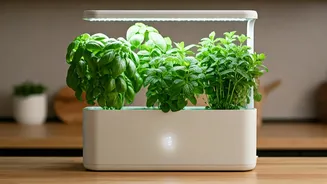
Let’s be honest: utility is only half the story. The modern kitchen garden is also an aesthetic choice. It’s no coincidence that their rise has coincided with the interior design trend of “biophilic design”—the practice of connecting with nature indoors. A lush patch of green on a marble countertop isn't just a garden; it's living decor. Brands have leaned into this, designing systems that are as beautiful as they are functional, with sleek white pods, bamboo frames, and futuristic LED grow lights that cast a pleasant glow. Scroll through Instagram or TikTok, and you’ll find countless videos of people harvesting perfect leaves of lettuce or snipping fresh basil, all artfully framed. The “cute” factor is undeniable. It transforms a mundane kitchen space into something vibrant and alive, providing a satisfying visual payoff that’s just as rewarding as the culinary one.
Getting Started: Low-Tech to High-Tech
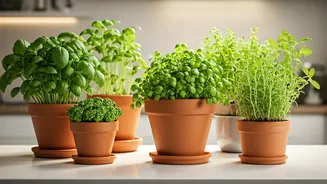
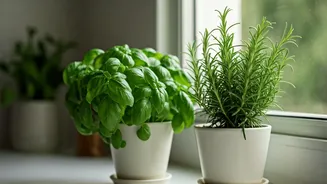
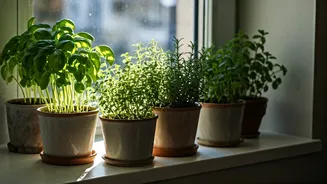
The beauty of this trend is its accessibility. There’s a kitchen garden for every budget and level of commitment. The simplest entry point is the classic terracotta pot with soil. It’s cheap, timeless, and perfect for hardy, forgiving herbs like mint, rosemary, or chives. For those who are a bit forgetful about watering, self-watering planters are a brilliant upgrade, using a reservoir system to keep the soil consistently moist. But the real game-changer has been the rise of consumer-friendly hydroponic systems. These all-in-one units, popularized by brands like AeroGarden and Click & Grow, use nutrient-rich water instead of soil. They come with built-in, full-spectrum LED lights and automated timers for watering and light cycles, taking almost all the guesswork out of gardening. While more of an initial investment, these high-tech gardens allow you to grow a wider variety of plants, like leafy greens and even small tomatoes, faster and more reliably year-round, regardless of how much natural light your kitchen gets.
What to Grow (and What to Skip)
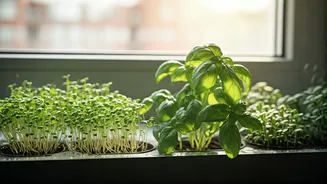
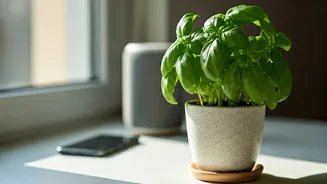
Not all plants are created equal when it comes to countertop cultivation. For beginners, herbs are a can't-miss option. Basil is a star performer, especially in hydroponic systems, providing an almost endless supply for pesto and pasta. Cilantro, dill, and parsley also thrive indoors, giving you immediate access to fresh flavor. Leafy greens like romaine, butter lettuce, and arugula are ideal for hydroponic setups, growing quickly for daily salads. For the more ambitious, certain varieties of cherry tomatoes and chili peppers can be grown in larger countertop systems, though they require more patience. So what should you skip? Avoid root vegetables like carrots and potatoes, as they need deep soil that a countertop unit can’t provide. Similarly, large, sprawling plants like zucchini or cucumbers are better suited for an outdoor patch. The key is to match the plant to the system you have.
The Payoff: More Than Just a Garnish
The ultimate appeal of a kitchen garden is how it enriches daily life. The utility goes far beyond having a pretty plant. Imagine snipping fresh mint for a mojito or basil for a caprese salad without a trip to the store. The flavor of herbs and greens harvested moments before they’re eaten is brighter and more intense than anything you can buy. Over time, growing your own can also lead to modest cost savings, especially if you frequently buy expensive clamshells of fresh herbs that wilt in the fridge. But perhaps the most significant benefit is the intangible one. The simple act of tending to plants—watching seeds sprout and leaves unfurl—is a well-documented stress reliever. It offers a small, daily ritual of care and a connection to the natural world, a welcome antidote to screen-filled lives.