






The Ever-Vibrant Marigold (Genda)
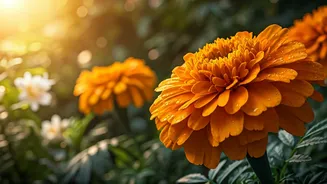
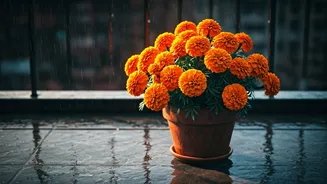
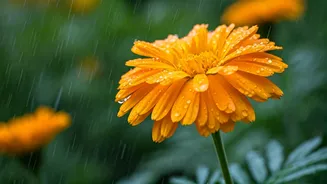
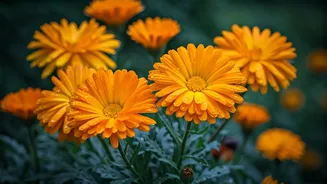
There’s a reason marigolds are ubiquitous in Indian ceremonies and gardens. These cheerful pom-poms of orange, yellow, and gold are incredibly hardy and thrive in the monsoon’s damp conditions. While other plants might struggle with fungal issues from
the constant moisture, marigolds are surprisingly resistant. Their bright, saturated colors provide a stunning contrast against grey, overcast skies, acting as little bursts of sunshine on your balcony. For U.S. gardeners in humid climates like Florida or the Gulf Coast, the French marigold variety is particularly well-suited for container gardening and will power through summer storms with ease. Just ensure your pots have excellent drainage to prevent waterlogging at the roots.
The Delicate Balsam (Gulmehndi)
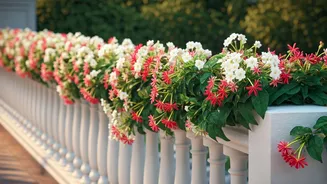
Often called “touch-me-nots” because their ripe seed pods burst when touched, Balsam plants are a classic rainy-season flower in India. They adore the high humidity and regular watering the monsoon provides. Their delicate flowers, which come in shades of pink, red, purple, and white, grow closely along the stem, creating a column of color. Balsam is an ideal balcony plant because it’s compact and doesn't require a lot of direct sunlight, making it perfect for covered patios or spaces that get filtered light during the cloudy season. It’s a fast-grower, so you can often sow seeds at the start of the rainy season and enjoy blooms within a couple of months.
The Tropical Hibiscus
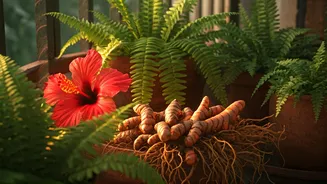
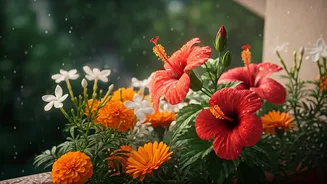
Nothing says “tropical paradise” quite like a hibiscus flower, and this plant truly comes into its own during the rainy season. The increased humidity and consistent moisture encourage lush foliage and a profusion of large, spectacular blooms. Available in a dazzling array of colors from fiery red to sunset orange and soft pink, a single hibiscus plant can transform a balcony into an exotic retreat. While they love water, they are still susceptible to root rot, so a well-draining pot is non-negotiable. For those in the U.S., many hardy and tropical hibiscus varieties flourish in pots, bringing a touch of monsoon vibrancy to any sunny patio that gets a lot of summer rain.
The Fragrant Jasmine (Mogra/Juhi)
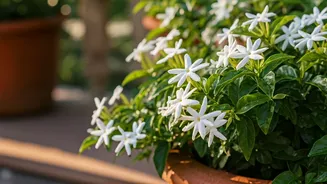
The monsoon experience isn’t just visual; it’s deeply sensory, and the fragrance of jasmine is a huge part of it. Varieties like Mogra (Arabian Jasmine) and Juhi produce their most intensely fragrant blooms during this time. The cool, humid air seems to hold and amplify their sweet scent, especially in the evenings. These climbing or bushy plants do wonderfully in large pots with a small trellis for support. Imagine sitting on your balcony during a downpour, the air filled with the intoxicating perfume of fresh jasmine. It’s a simple luxury that connects you directly to the season. Many jasmine varieties are available in U.S. nurseries and are perfect for adding a fragrant element to a patio garden.
The Airy and Ethereal Cosmos
With their long, slender stems and daisy-like petals, cosmos flowers might look too delicate to withstand heavy rains, but they are surprisingly tough. Their finely cut foliage allows rain to pass through easily, preventing the plant from becoming waterlogged and weighed down. They dance in the breeze and add a sense of movement and lightness to the garden. Blooming in shades of white, pink, and magenta, they create a soft, wildflower-like effect that beautifully complements the more robust shapes of marigolds and hibiscus. Cosmos are easy to grow from seed and will often self-sow, providing a continuous display throughout the wetter months.
The Low-Maintenance Moss Rose (Portulaca)
For the gardener who wants maximum color with minimum fuss, Moss Rose is the answer. This succulent-like plant is known for its ability to handle heat and drought, but it also performs beautifully in the rainy season as long as it's planted in sandy, well-draining soil. Its jewel-toned flowers in pink, yellow, red, and orange only open in the sun, creating a delightful surprise on those intermittent sunny afternoons between showers. Because of their low, spreading habit, they are perfect for hanging baskets or as a “spiller” plant in a mixed container, trailing over the edge of the pot and providing a carpet of color.