
A Landscape That Demands Attention
First, you have to understand the setting. Ladakh isn't just beautiful; it's elemental. Often called the “Land of High Passes,” this high-altitude desert in northern India sits at an average elevation of over 11,000 feet. The air is thin, the sun is sharp,
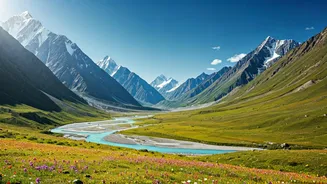
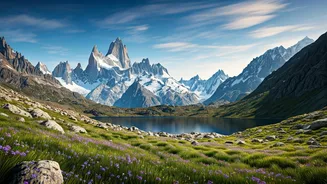
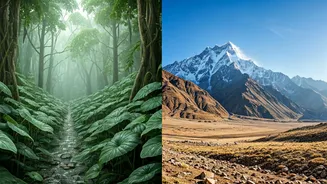
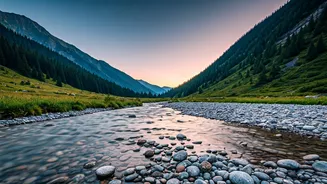
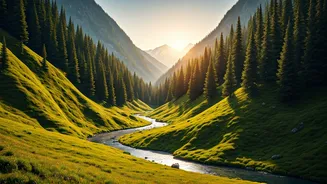
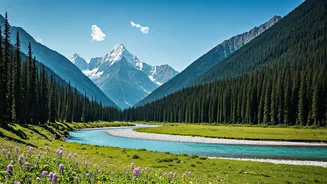
and the scenery is stripped to its dramatic core: jagged brown peaks, sweeping valleys of sand and rock, and impossibly blue glacial lakes like Pangong Tso, made famous by Bollywood but otherworldly in its own right. Unlike a lush jungle or rolling green hills, this is a landscape that doesn't just serve as a backdrop. Its scale and starkness command your full attention, forcing a sense of perspective that’s hard to find in the modern world. The journey itself—often involving winding mountain roads or a flight into one of the world's highest commercial airports—is part of the experience, a physical acclimatization that mirrors a mental shift away from the everyday.
Culture Forged by the Mountains
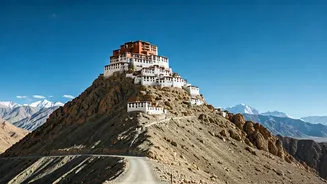
This intense environment didn't just create stunning views; it shaped a deeply resilient and spiritual culture. For centuries, Ladakh has been a bastion of Tibetan Buddhism, and its traditions are inextricably linked to the land. Monasteries aren’t just buildings; they are fortresses of faith built into the very mountainsides. Places like Thiksey Monastery, which cascades down a hill in a stunning resemblance to the Potala Palace in Lhasa, or the remote Hemis Monastery, home to a famous annual festival, weren't built on these challenging sites by accident. Their placement reflects a profound connection between the spiritual and the physical world. For travelers, this means a cultural experience isn't a separate activity you do in the evening. It’s seeing a monk's crimson robes against a backdrop of snow-capped peaks, hearing the sound of chanting carried on the mountain wind, and understanding that the harshness of the land has fostered a unique warmth and devotion in its people.
The Rise of the Conscious Traveler
The trend in Ladakh is also about a shift in us, the travelers. In a world saturated with fleeting digital content and cookie-cutter vacations, there's a growing hunger for something real and transformative. The modern traveler is increasingly seeking experiences that are not only Instagrammable but also meaningful. Ladakh offers just that. It’s not a “fly and flop” destination. It demands patience, respect for the altitude, and a willingness to engage with a world that operates on a different rhythm. This appeals to a demographic looking for sustainable, low-impact tourism. They want to know their visit supports local communities and preserves the fragile ecosystem and culture. The experience of driving through the Nubra Valley to stay in a family-run guesthouse, or trekking to a remote village, offers a sense of connection that a luxury resort simply cannot replicate. It’s travel as a pilgrimage, not just a vacation.
Where the Journey Is the Destination
Ultimately, Ladakh's appeal lies in how it seamlessly merges these elements. An experience here is rarely just “nature” or just “culture.” It’s both, simultaneously. Take the Hemis Festival, a vibrant two-day affair celebrating the birth of a Buddhist master. You are witnessing ancient masked dances and rituals (culture), but you are doing so in a stunning monastery courtyard surrounded by towering Himalayan peaks under a brilliant blue sky (nature). The drive to Magnetic Hill, a spot where vehicles appear to defy gravity, is a journey through a mind-bending landscape that feels like a geological and spiritual wonder. The experience of watching the sun set over the Shanti Stupa in Leh, with the entire Indus Valley spread below, is an act of quiet contemplation made powerful by the sheer grandeur of the natural world. In Ladakh, you don't have to choose between a mountain trek and a cultural tour; every step is both.