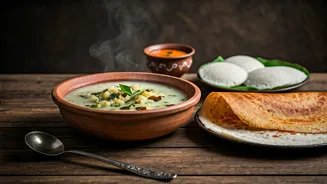

Dahi: The Creamy Foundation
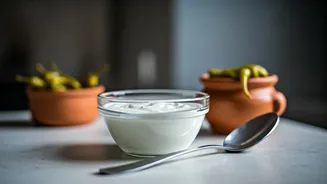
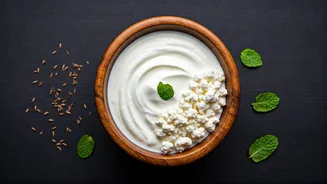
While yogurt is a global probiotic star, traditional Indian dahi holds a special place. Often made at home by introducing a small amount of starter culture (a spoonful of previous dahi) to warm milk and letting it set for several hours, dahi is teeming
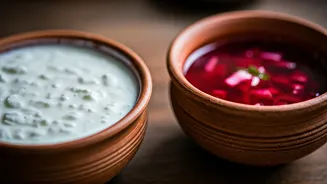
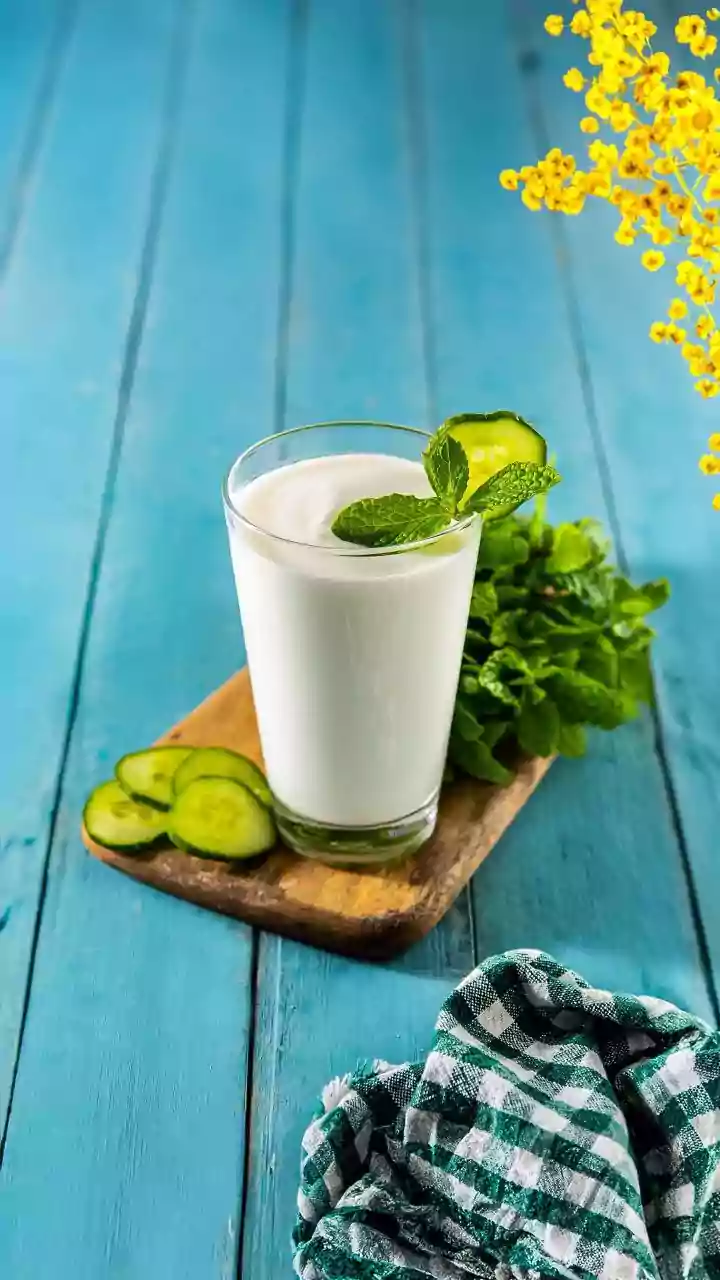
with live, active cultures. Unlike many commercially produced yogurts in U.S. that can be loaded with sugar and thickeners, homemade or traditionally made dahi is beautifully simple: just milk and bacteria. These live cultures, including various strains of Lactobacillus, help maintain a healthy balance in your gut microbiome. Enjoy it plain, as a cooling side dish called raita (mixed with chopped cucumber, mint, and spices), or blended into a savory lassi. It’s the versatile, foundational probiotic of Indian cuisine.
Idli & Dosa: The Fermented Power-Breakfast
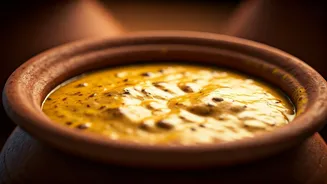
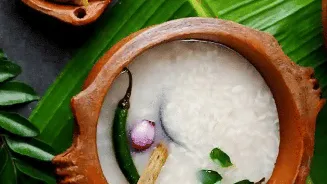
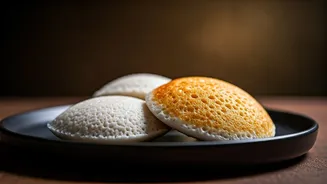
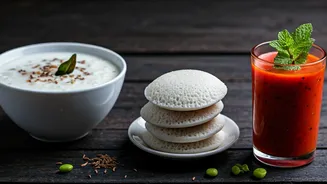
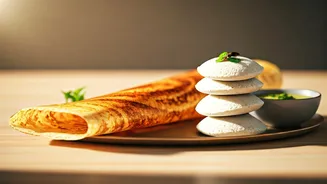
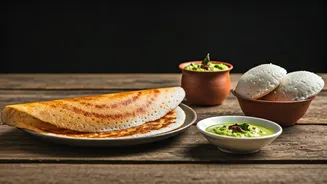
If you’ve ever had these popular South Indian staples, you’ve enjoyed the benefits of fermentation. Idli (a soft, steamed rice cake) and dosa (a thin, crispy crepe) are made from a batter of ground rice and lentils that is left to ferment overnight. This natural fermentation process does two wonderful things. First, it creates a bubbly, airy texture. Second, and more importantly for gut health, it allows wild yeasts and beneficial bacteria like Lactobacillus to flourish. This process not only cultivates probiotics but also breaks down the phytic acid in the grains and lentils, making minerals like iron and zinc more bioavailable. The fermentation essentially pre-digests the food, making it easier on your system while delivering a healthy dose of good microbes. So next time you order a dosa, remember you're doing your gut a favor.
Kanji: The Tangy Fermented Drink
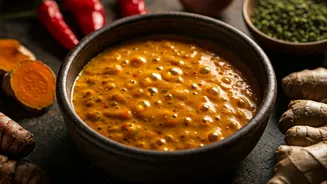
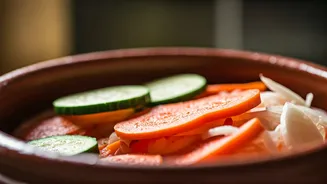
Less known in the U.S. but a treasured staple in North India, especially during spring, is kanji. This is a brilliant, deep-purple fermented beverage traditionally made with black carrots, though beets are a common substitute. The process is simple: carrots or beets are submerged in water with salt and ground mustard seeds and left to ferment in the sun for several days. The result is a tangy, savory, and slightly pungent drink that is incredibly refreshing. The fermentation is driven by lacto-fermentation, the same process that creates sauerkraut and kimchi, making kanji a fantastic source of gut-friendly bacteria. It's a prime example of how traditional cuisines ingeniously create probiotic-rich foods from simple, seasonal ingredients.
Achar: The Right Kind of Pickle
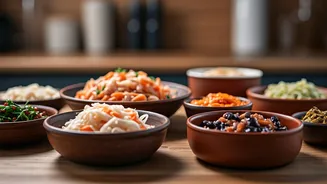
The world of Indian pickles (achar) is vast, but for probiotic benefits, it’s crucial to seek out the right kind. Many modern, store-bought pickles use vinegar and oil to preserve, which effectively sterilizes the product and kills any potential for live cultures. However, traditional Indian pickles are often made through lacto-fermentation. Vegetables like mango, lemon, or chili are packed in salt, which draws out the water and creates a brine. In this salty environment, salt-tolerant Lactobacillus bacteria thrive, converting sugars into lactic acid. This acid preserves the vegetables and gives them their characteristic tangy flavor, all while creating a condiment rich in probiotics. When shopping, look for pickles labeled “lacto-fermented” or “unpasteurized” and check the ingredients to ensure vinegar isn’t the primary preserving agent. A spoonful alongside a meal can be a powerful and flavorful probiotic boost.