






1. Plan Your Meals, Not Just Your List
Walking into a grocery store without a plan is like walking into a financial ambush. The single most effective way to save money is to create a weekly meal plan. Before you shop, decide what you’ll eat for breakfast, lunch, and dinner. Check your pantry,
fridge, and freezer first to see what you already have. Build your meals around those items, then create a detailed shopping list of only what you need. This simple habit prevents impulse buys, reduces last-minute takeout orders, and ensures every dollar you spend has a purpose.
2. Embrace 'Boring' Pantry Staples
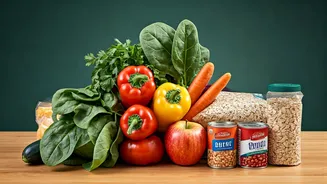
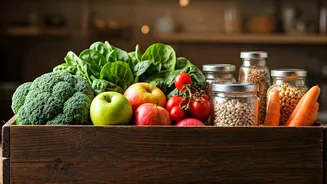
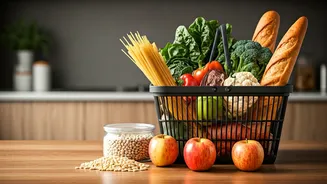
The foundation of an affordable, healthy diet isn't found in trendy superfoods; it's in the humble bulk aisle. Dried beans, lentils, brown rice, and whole oats are nutritional powerhouses that cost pennies per serving. A one-pound bag of lentils can be the base for soups, salads, and vegetarian tacos for a week, often for less than the price of a single pound of ground beef. Learn to cook with these staples. They are versatile, filling, and packed with fiber and protein, keeping you full and nourished for far less money.
3. Master the Freezer Aisle
Fresh isn't always best, especially for your budget. Frozen fruits and vegetables are picked and flash-frozen at their peak ripeness, locking in nutrients. In fact, some studies show frozen produce can have higher levels of vitamins than fresh produce that has traveled for days to reach the store. They are often significantly cheaper than their fresh counterparts, especially for out-of-season items like berries in winter. Plus, you can use exactly what you need and put the rest back in the freezer, eliminating the waste of fresh produce spoiling in your crisper drawer.
4. Stop Throwing Your Money Away
The average American family throws away a significant amount of the food they buy each year. Reducing food waste is a direct way to save money. Get creative with leftovers. Turn tonight’s roasted chicken into tomorrow’s chicken salad sandwich. Use vegetable scraps—onion peels, carrot ends, celery tops—to make a free, flavorful broth. Learn to properly store produce to extend its life. A little planning to use what you have before it goes bad is like finding free money in your own fridge.
5. Rethink Your Protein
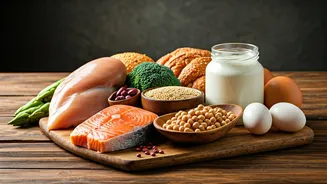
Protein is often the most expensive part of a meal. While you don't have to go fully vegetarian, strategically swapping out meat can lead to huge savings. Try 'Meatless Mondays' using those inexpensive lentils or beans. When you do buy meat, opt for cheaper, flavorful cuts like chicken thighs instead of breasts, or ground turkey instead of lean ground beef. Also, don't overlook other affordable protein sources like eggs and canned tuna or salmon, which provide high-quality nutrition for a fraction of the cost of steak or fresh fish fillets.
6. Cook From Scratch (When It Counts)
Convenience comes at a high cost. Pre-cut vegetables, grated cheese, and bottled salad dressings are marked up significantly. You’re paying for labor you can easily do yourself in minutes. Making your own salad dressing with oil, vinegar, and a few spices is healthier and dramatically cheaper. Cooking a large batch of marinara sauce from canned tomatoes costs less than a single jar of the pre-made stuff. You don't have to make everything from scratch, but identifying these high-margin convenience items and replacing them with homemade versions will slash your bill.