




The End of the ‘Productivity Vacation’
Remember the old vacation script? You’d spend a small fortune to fly somewhere beautiful, only to feel an oppressive need to ‘make the most of it.’ This meant a packed itinerary: 7 a.m. guided hikes, 10 a.m. museum tours, 1 p.m. cooking classes, followed
by sightseeing until you collapsed into a starchy, unfamiliar bed. Downtime felt like a waste of money. Napping was something you did reluctantly, a sign of weakness in the face of a once-in-a-lifetime opportunity. That frantic model is finally fading. In its place, a quieter, more profound understanding of relaxation is taking hold. Blame it on millennial burnout, the ever-present glow of our smartphones, or a collective post-pandemic exhaustion, but travelers are no longer seeking just distraction. They’re seeking genuine restoration. And the luxury travel industry, always a mirror to our societal aspirations, has realized that the most coveted amenity isn’t a gold-plated faucet; it’s permission to do absolutely nothing.
From Mint on the Pillow to a Sleep Concierge
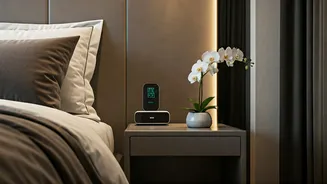
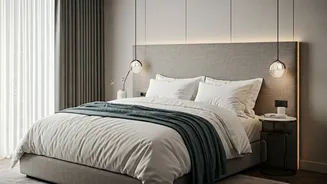
The evolution of hotel perks tells the whole story. The mint on the pillow was a cute, superficial gesture. Then came high-thread-count sheets and pillow menus, which signaled a deeper focus on comfort. But today, the commitment to slumber is practically an arms race. The new luxury isn’t just providing a bed; it’s engineering an entire ecosystem for optimal rest.
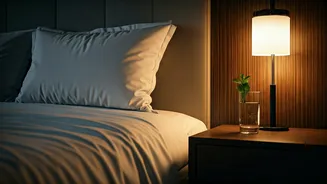
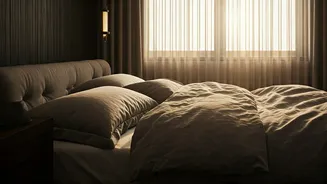
Take, for instance, The Benjamin in New York City, which for years has employed a dedicated Sleep Concierge. At high-end resorts like the Six Senses collection, their ‘Sleep With Six Senses’ program involves sleep tracking, specialized bedding, and personal consultations. Equinox Hotels were designed from the ground up for peak performance, which paradoxically means an obsessive focus on rest, with rooms that are essentially dark, quiet, cool cocoons. Forget asking for an extra towel; the modern luxury traveler is now asking for a weighted blanket, a specific pillow density, and a custom white noise playlist. The nap has gone from a happy accident to a curated, central event.
The New Architecture of Rest
This embrace of ‘nap culture’ is literally changing the architecture of travel. Airports, once the liminal torture chambers of layovers, are now dotted with micro-hotel concepts like Yotel and Minute Suites. For a reasonable fee, a weary traveler can rent a small, clean, quiet room for an hour or two, just to sleep. It’s a simple, brilliant acknowledgment of a basic human need that the travel industry ignored for decades.
Within hotels, this trend manifests in more than just comfortable bedrooms. We're seeing the rise of designated ‘quiet zones’ in resorts, meditation pods in lobbies, and spa treatments designed specifically to induce sleep. The goal is to create sanctuaries not just in the private rooms, but throughout the property. It’s a holistic approach that says rest isn’t something you have to retreat to your room to find; it’s part of the ambient culture of the entire establishment.
The Ultimate Status Symbol: Doing Nothing
Ultimately, the rise of the aspirational nap signals a profound shift in what we consider a status symbol. In an age of relentless hustle, the ability to completely disconnect and recharge is the scarcest resource of all. Posting a photo from a far-flung, exotic location is one thing; having the time, money, and mental freedom to spend an afternoon of your expensive vacation napping is another level of flex.
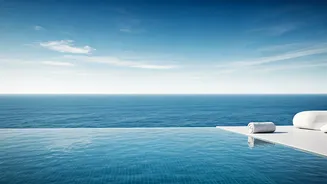
It’s a quiet rebellion against the attention economy. A midday nap on a sun-drenched daybed in a luxury resort is a declaration that your well-being is more important than your itinerary. It says you're not there to check boxes and collect experiences to post on social media, but to actually feel better. In this new paradigm, luxury isn’t about what you can acquire or what you can do. It’s about what you can afford to let go of—starting with the pressure to be ‘on’ all the time.