

From Global Minimalist to Local Maximalist
Not long ago, flipping through an Indian design magazine felt familiar to an American reader. The aspirational homes in Mumbai, Delhi, and Bangalore were filled with sleek, Scandinavian-inspired furniture, neutral color schemes, and a kind of polished
anonymity that could place them in any major city from New York to Tokyo. This was the aesthetic of a globalized India, a visual declaration of having arrived on the world stage. The intricate carvings, bold textiles, and earthy pottery of previous generations were often relegated to parents’ homes or considered old-fashioned. But a significant shift is underway. Urban Indian homeowners, particularly millennials and Gen Z, are looking past the sterile perfection of the factory-made and rediscovering the soul of the handmade. It’s a turn away from the cookie-cutter and toward the character-filled—a conscious choice to fill homes with objects that tell a story, celebrate heritage, and showcase the imperfect beauty of human craftsmanship.
A Search for Authenticity and Connection
So, why the change of heart? This isn't just about decor; it's a cultural movement. For many, it’s a reaction to the relentless pace of modern life and the digital gloss that covers everything. In a world of fleeting digital trends, a hand-carved wooden chest or a block-printed quilt feels permanent and real. It’s an anchor to something tangible. This revival is also deeply tied to identity. As India continues to modernize at a breakneck speed, there's a growing desire to hold on to cultural roots. Choosing a piece of Gond art from Madhya Pradesh or a terracotta pot from a Bengal village isn't just a design choice; it's a statement. It’s a way of saying, “This is where I come from, and this is beautiful.” It’s about creating a personal sanctuary that reflects a unique Indian identity, rather than a generic global one. This sentiment resonates with a universal desire for authenticity that we see across the globe, from the farm-to-table movement in the U.S. to the revival of traditional crafts in Europe.
The Instagram-Powered Artisan Economy
This trend wouldn't be possible without technology. Ironically, the very digital platforms that can create a sense of dislocation are also fueling this return to craft. Instagram and Pinterest have become virtual galleries, allowing designers and homeowners to discover and share unique artisanal finds from remote corners of the country. A single, beautifully styled photo can launch a local craft into the national consciousness. Furthermore, a new wave of e-commerce platforms and direct-to-consumer brands have emerged, connecting artisans directly with urban buyers. These companies—like Fabindia, Jaypore, and countless smaller Instagram-based stores—are cutting out the middlemen, ensuring artisans are paid fairer wages while giving consumers unprecedented access to authentic, high-quality goods. This new ecosystem makes it easier than ever for someone in a high-rise apartment in Gurugram to buy a hand-woven rug directly from a weaver in Rajasthan.
What the New Indian Aesthetic Looks Like
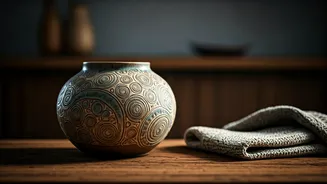
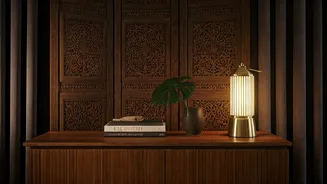
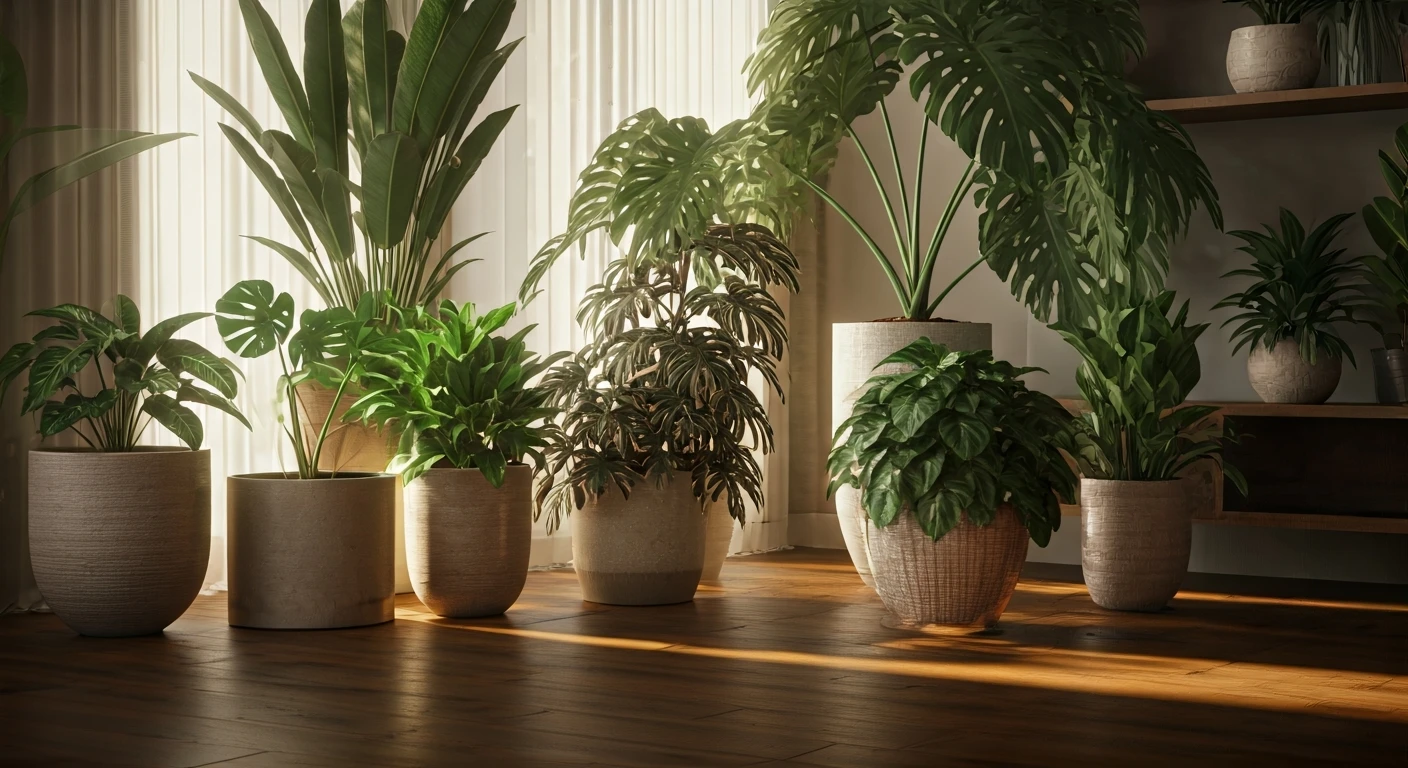
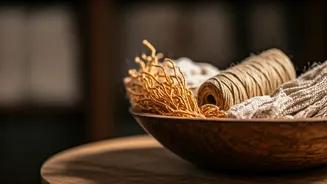
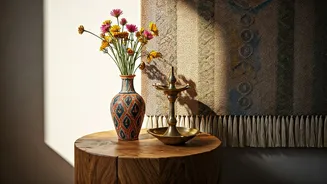
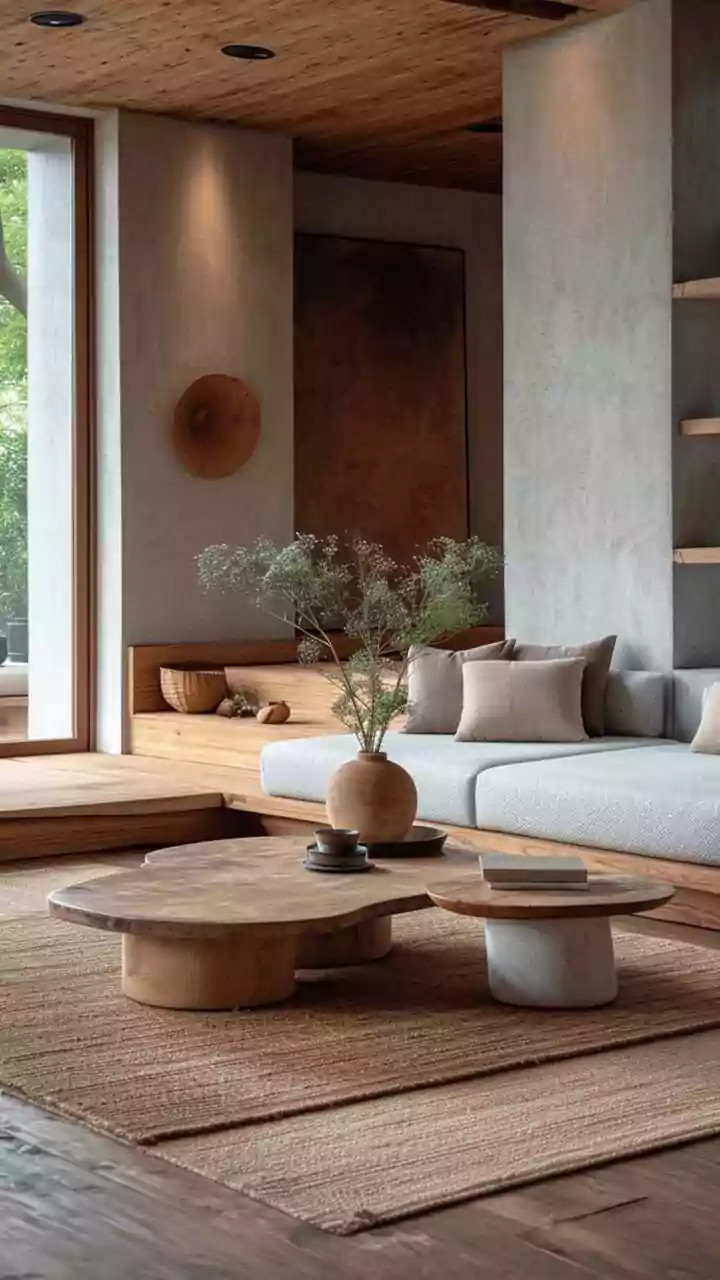
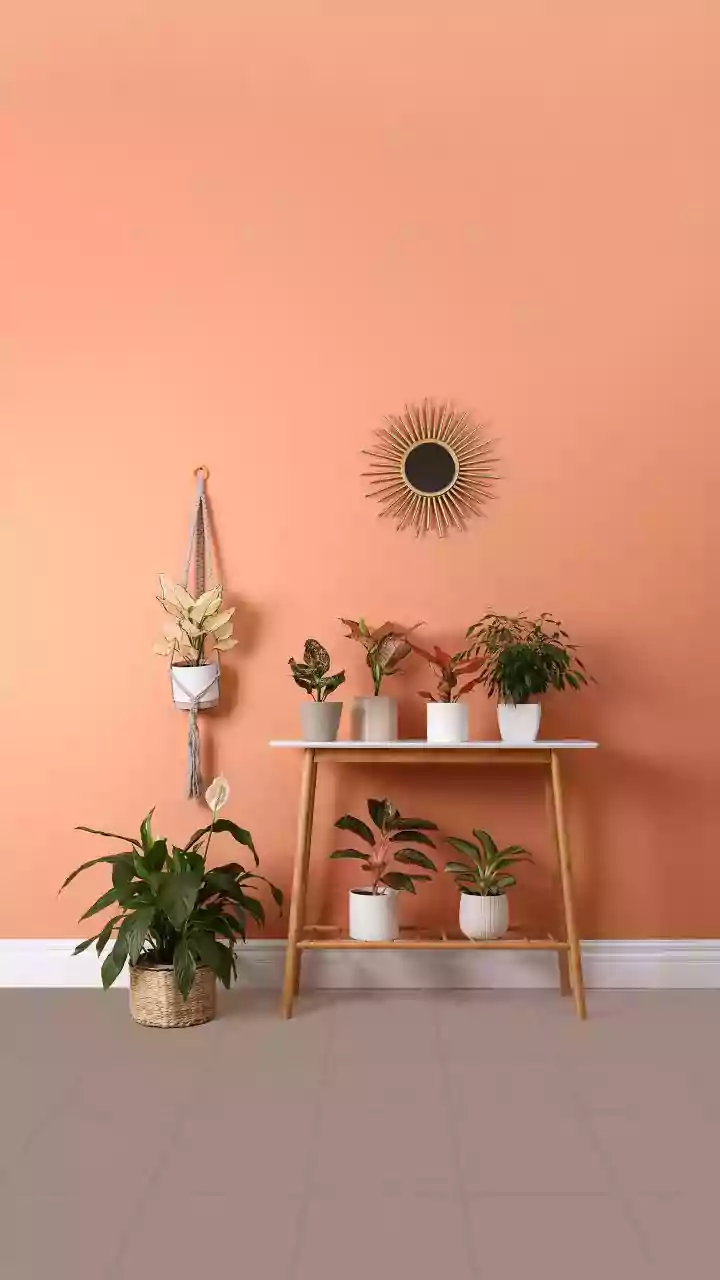
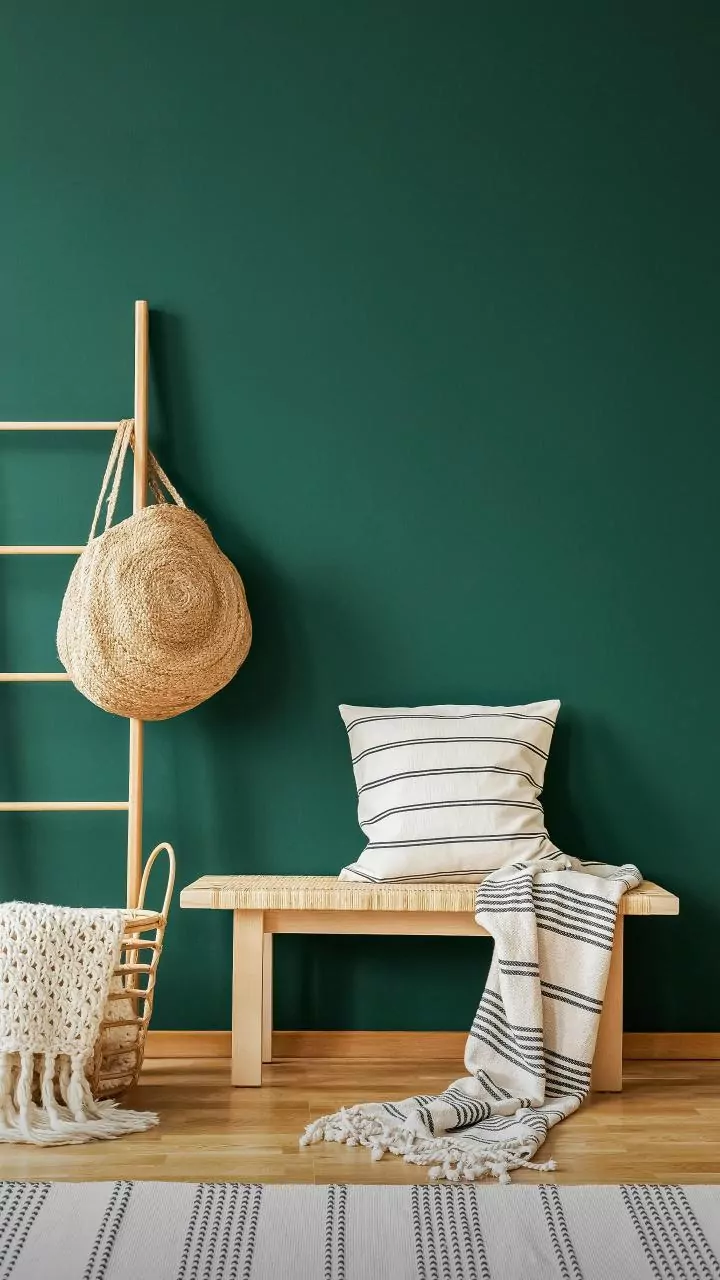
This isn't about turning homes into museums of folk art. The new Indian aesthetic is a sophisticated blend of the old and the new. It's about strategic, soulful touches. Imagine a minimalist living room brought to life by a single, stunning piece: a vintage wooden door repurposed as a coffee table, vibrant cushions made from hand-embroidered Phulkari textiles, or a sleek modern sofa accented with a hand-block-printed throw. Key elements making a comeback include cane and rattan furniture, which add lightness and texture. Earthenware and terracotta (think *matkas* and planters) bring a rustic, cooling element. Brass and copper details are replacing chrome. And on the walls, traditional patterns and folk art are appearing not just as framed pictures, but as murals and hand-painted motifs, adding a layer of bespoke artistry to the space.