


A Floating Palace on a Silver Lake
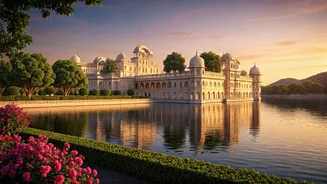
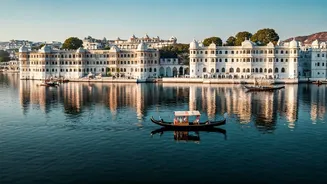
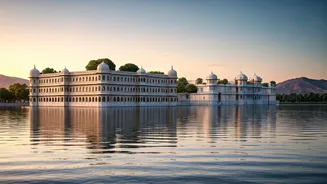
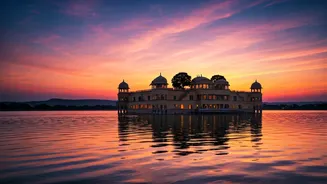
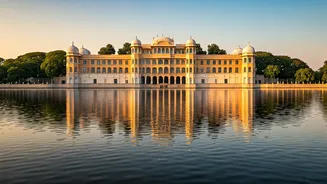
The first thing you notice about Udaipur is the water. The city, nestled in the Aravalli Hills of Rajasthan, is built around a series of man-made lakes, the most famous of which is Lake Pichola. From its serene surface rises the dreamlike image of the Lake Palace,
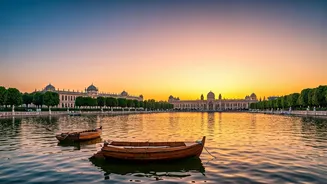
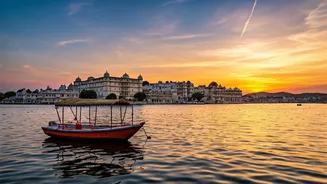
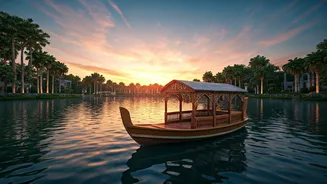
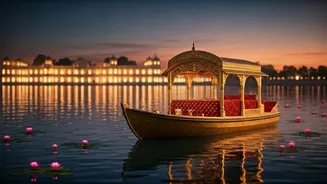
a former royal summer residence that now stands as one of the world's most iconic hotels. It appears to float, a vision in white marble against the backdrop of dusky mountains. This singular view is the city's calling card, an image so romantic and otherworldly it has graced everything from James Bond films to countless Instagram feeds. But unlike a fleeting movie set, this magic is real and accessible. As you glide across the lake in a small boat at sunset, with the water reflecting the golden glow of the surrounding architecture, you understand why travelers are looking eastward for their next great escape.
Living History at the City Palace
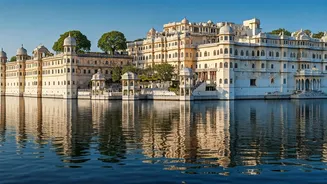
Guarding the eastern shore of Lake Pichola is the City Palace, a breathtaking complex of interconnected palaces, courtyards, and gardens built over four centuries. It’s not a dusty, hands-off museum but a living monument to the grandeur of the Mewar dynasty. Walking through its corridors feels like stepping through time. You’ll find yourself in rooms adorned with intricate mirror work that glitters like a thousand diamonds, courtyards with meticulously crafted peacock mosaics, and balconies offering panoramic views of the lake and the city below. It’s this tangible connection to a storied past that sets Udaipur apart. While European capitals have their castles, the City Palace offers a distinctly Indian brand of opulence—a sprawling, organic structure that tells a story of royalty, honor, and artistic genius.
The Soul of the Old City
While the palaces provide the glamour, the soul of Udaipur resides in the winding lanes of its old city. This is where the city’s heart truly beats. A short walk from the grandeur of the City Palace, you're plunged into a vibrant maze of narrow streets, bustling bazaars, and historic havelis (traditional townhouses) with ornate facades. The air is thick with the scent of spices and incense. Artisans sit in open-fronted shops, painstakingly creating the region's famous miniature paintings or crafting leather goods. Sacred cows wander nonchalantly past colorful textile shops, and the sounds of temple bells mingle with the cheerful chaos of daily life. This is the authentic, unvarnished charm that travelers increasingly crave—a world away from sanitized tourist traps. It’s an invitation to get lost, to explore, and to discover a piece of India that feels both ancient and vibrantly alive.
Why Now? The Allure of a Slower Pace
So why is Udaipur capturing the 2026 wishlist, specifically? The trend reflects a broader shift in what American travelers seek. After years of checklist tourism, there's a growing desire for more immersive and soulful experiences. Udaipur delivers. It offers the visual splendor that a social media-driven world demands, but it backs it up with genuine substance. It’s a city that encourages a slower pace. You’re not rushing between a dozen must-see sights; you’re lingering over a cup of chai on a rooftop cafe, watching the sunset paint the sky, or simply observing life unfold on the ghats (the steps leading down to the lake). In a world that feels increasingly fast-paced and disposable, Udaipur’s timeless elegance and romantic atmosphere feel like a necessary antidote, making it a perfect candidate for the discerning traveler's future plans.