

The Monsoon's Ephemeral Magic
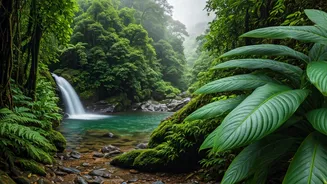
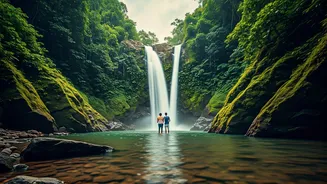
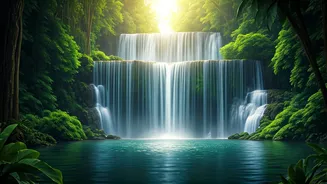
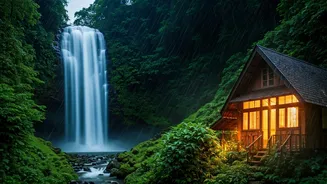
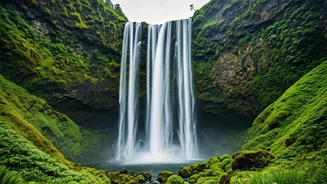
What the headline calls “rain cascades” are a breathtaking, temporary spectacle. These aren’t your year-round, named-on-a-map waterfalls. They are ephemeral torrents of water that spring to life only during the monsoon season, which typically runs from
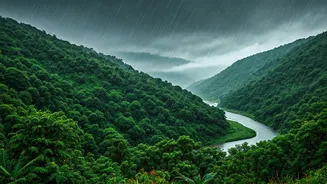
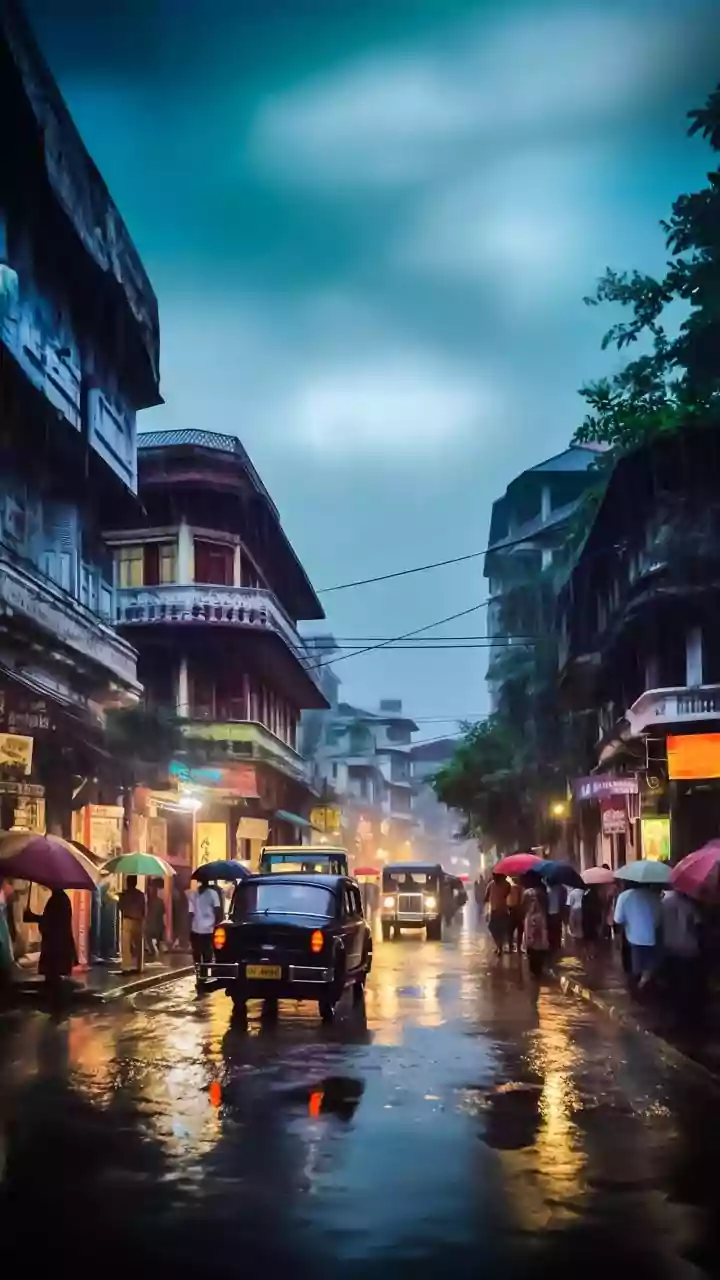
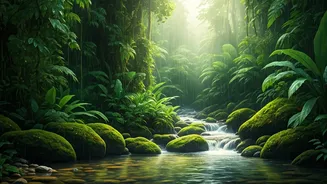
June to September. Sheer rock faces that were barren just weeks before suddenly weep with countless streams, and sleepy creeks swell into roaring cataracts. This dramatic rebirth turns the mountain ranges of states like Kerala, Karnataka, and Tamil Nadu into a lush, dramatic, and almost mythical wonderland. The air grows thick with the sound of rushing water and the electric green of the foliage seems to vibrate. For travelers, it's a chance to see a landscape not just altered by weather, but completely redefined by it. It’s nature’s ultimate pop-up event, and you have to be there at the right time to witness it.
A New Rite of Passage
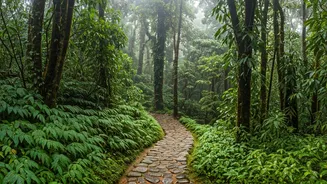
For a growing number of young, urban Indians, a monsoon trek is becoming a modern rite of passage. In a world of curated digital experiences, this is an intensely real one. It’s a deliberate turn away from the predictable beach holiday and toward something more challenging and elemental. Groups of friends from cities like Bangalore, Chennai, and Mumbai pack into cars and buses, heading for the hills in search of this raw, untamed beauty. The appeal is multifaceted. It's partly the thrill of adventure—navigating slippery trails, crossing swollen streams, and feeling the sheer power of the rain. It’s also about disconnecting from the grind of city life and reconnecting with both nature and each other. The shared challenge of a tough trek, followed by a hot cup of chai at a roadside stall, forges a powerful sense of camaraderie that’s hard to replicate.
Hotspots of the Ghats
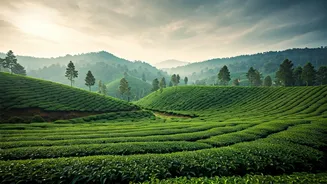
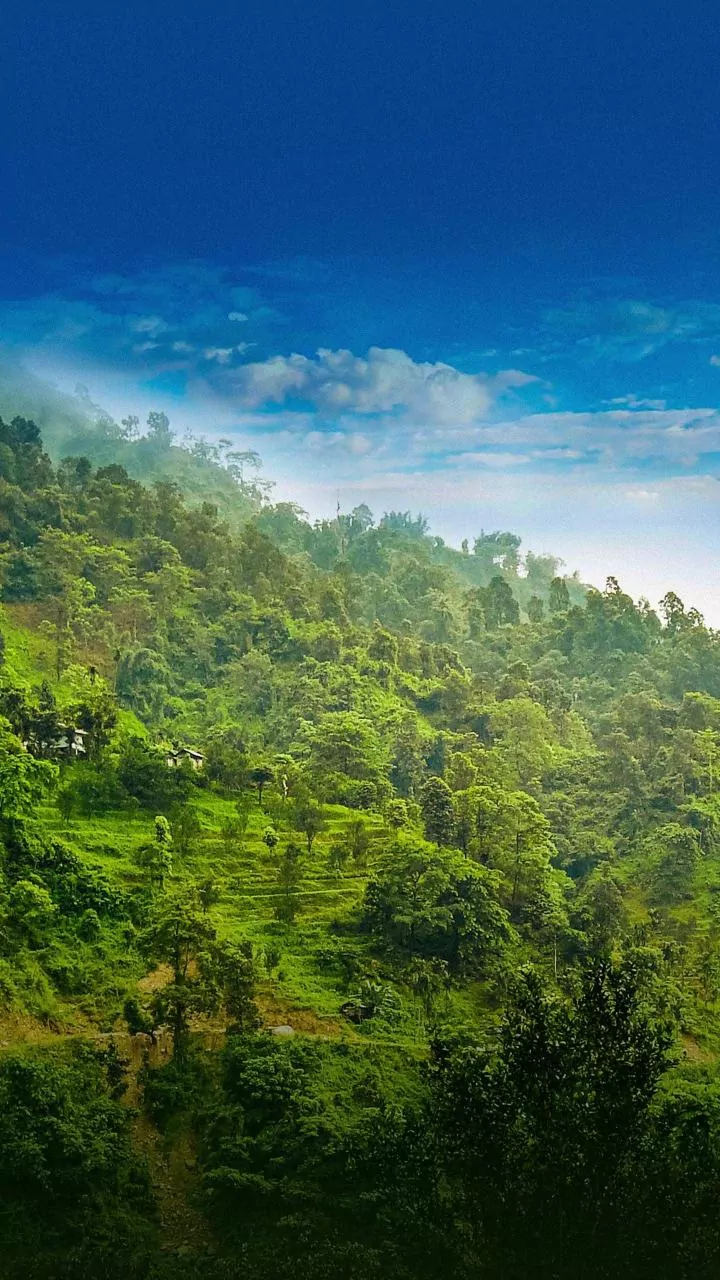
While these cascades appear across the region, certain areas have become legendary hubs for monsoon adventurers. The Agumbe rainforest in Karnataka, known as the “Cherrapunji of the South” for its intense rainfall, is a prime destination. Treks here lead to dramatic viewpoints where you can watch the clouds roll in below you. In Kerala, the districts of Wayanad and Idukki offer a labyrinth of trails leading to hidden falls and misty peaks. Coorg, often called the “Scotland of India,” is another favorite, its rolling coffee plantations made even more verdant and mysterious by the monsoon mist. These aren't resort towns in the traditional sense. The infrastructure is often basic—local homestays and simple guesthouses are the norm. The focus isn't on luxury, but on immersion. It’s about being present for the performance, not just observing it from a comfortable distance.
More Than Just a Walk in the Park
This adventure isn’t without its challenges, which is a core part of its appeal. The same rains that create the beauty also make for treacherous conditions. Trails become slick with mud, rocks are slippery, and the ever-present leeches are an infamous, if mostly harmless, nuisance that trekkers learn to manage with a bit of salt or sanitizer. Flash floods are a real risk, and going with experienced local guides is not just recommended, but essential for safety. This element of risk is what separates the experience from a sanitized tourist attraction. It demands respect for nature and a degree of self-reliance. For the young groups drawn to this, preparing for and overcoming these obstacles is a key part of the story they’ll tell later—a testament to an experience that was truly earned, not just consumed.