
More Than Just Lentil Soup
For many Americans, the experience with Indian legumes begins and ends with dal—a comforting, soupy dish of simmered lentils. And while dal is a cornerstone, to see it as the whole story is like thinking American cuisine is just hamburgers. The world
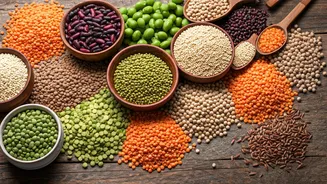
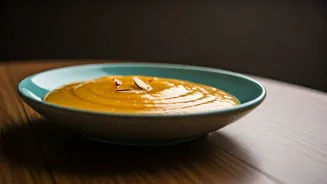
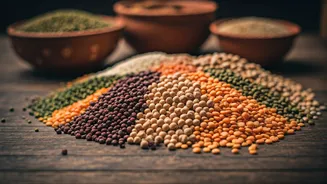
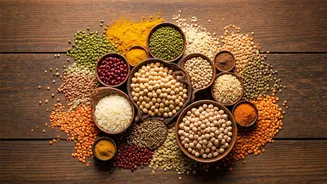
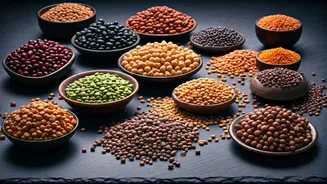
of legumes in India is kaleidoscopic in its variety and application. First, let's talk diversity. The term ‘dal’ itself refers not just to the finished dish but to a whole category of split pulses—lentils, peas, and beans. There's toor (pigeon peas), masoor (red lentils), moong (mung beans), and chana (a type of chickpea), each with a distinct texture and flavor. But it doesn't stop there. Whole legumes like rajma (kidney beans) and chana (chickpeas) form the base of iconic, robust curries that are meals in themselves. Even the flour is a star: besan, or chickpea flour, is the key to crispy pakoras (fritters), savory pancakes called cheela, and the silky, yogurt-based curry known as kadhi.
The Original Plant-Based Protein
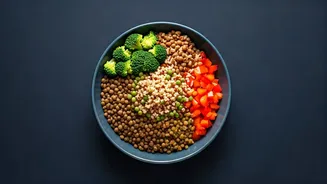
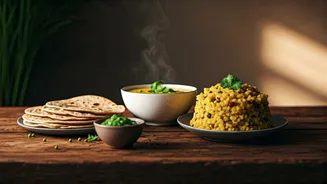
Long before plant-based protein became a buzzword in Silicon Valley, legumes were the primary protein source for hundreds of millions of people in India. With a significant portion of the population practicing vegetarianism for cultural, religious, and economic reasons, dals and beans aren't a side dish; they are the main event. A simple meal of dal and rice (dal bhat) or dal and roti provides a complete protein, offering all the essential amino acids needed for human health. This nutritional prowess makes legumes the bedrock of Indian food security. They are affordable, shelf-stable, and can be grown in diverse climates, making them accessible to everyone from rural farmers to urban professionals. They are, in essence, the fuel that powers the subcontinent—a deeply democratic food that nourishes across class and caste lines.
A Culinary Map of India
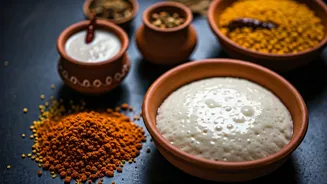
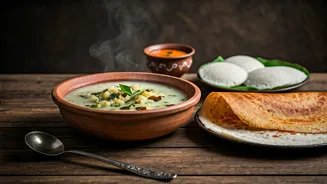
Travel across India, and you can trace a map of the country through its legumes. In the north, you’ll find rich, creamy, slow-cooked dishes like Dal Makhani, a Punjabi specialty made with whole black lentils and kidney beans, laden with butter and cream. It’s a dish of celebration, hearty and luxurious. Head west to Gujarat, and you’ll find dals with a characteristic sweet and sour tang, often thinner in consistency. Journey south, and the picture changes again. In South India, lentils are the backbone of sambar, a tangy stew made with pigeon peas and tamarind, packed with vegetables and served with rice, idlis (steamed rice cakes), or dosas (crispy crepes). The batter for those idlis and dosas? It's made from a fermented blend of rice and urad dal (black lentils), a testament to the incredible versatility of the legume. From simple peasant fare to complex festive dishes, the humble legume adapts to the palate of every region.
The Fabric of Daily Life
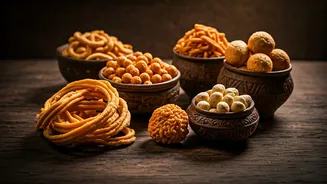
Beyond the dinner plate, legumes are woven into the cultural fabric of India. They are used to make sweets like besan ladoo, savory snacks sold by street vendors, and even as part of religious rituals. They represent sustenance, community, and the comforting rhythm of a home-cooked meal. In many Indian households, the sound of a pressure cooker hissing is the sound of dinner being made—and more often than not, it’s dal inside. It's the first solid food fed to babies and the comforting meal sought when one is sick. This everyday ubiquity is precisely why legumes are “unsung.” They are so fundamental, so deeply integrated into the culinary psyche, that their importance is often taken for granted, like the air one breathes.