

An Oasis in the Arid Plains
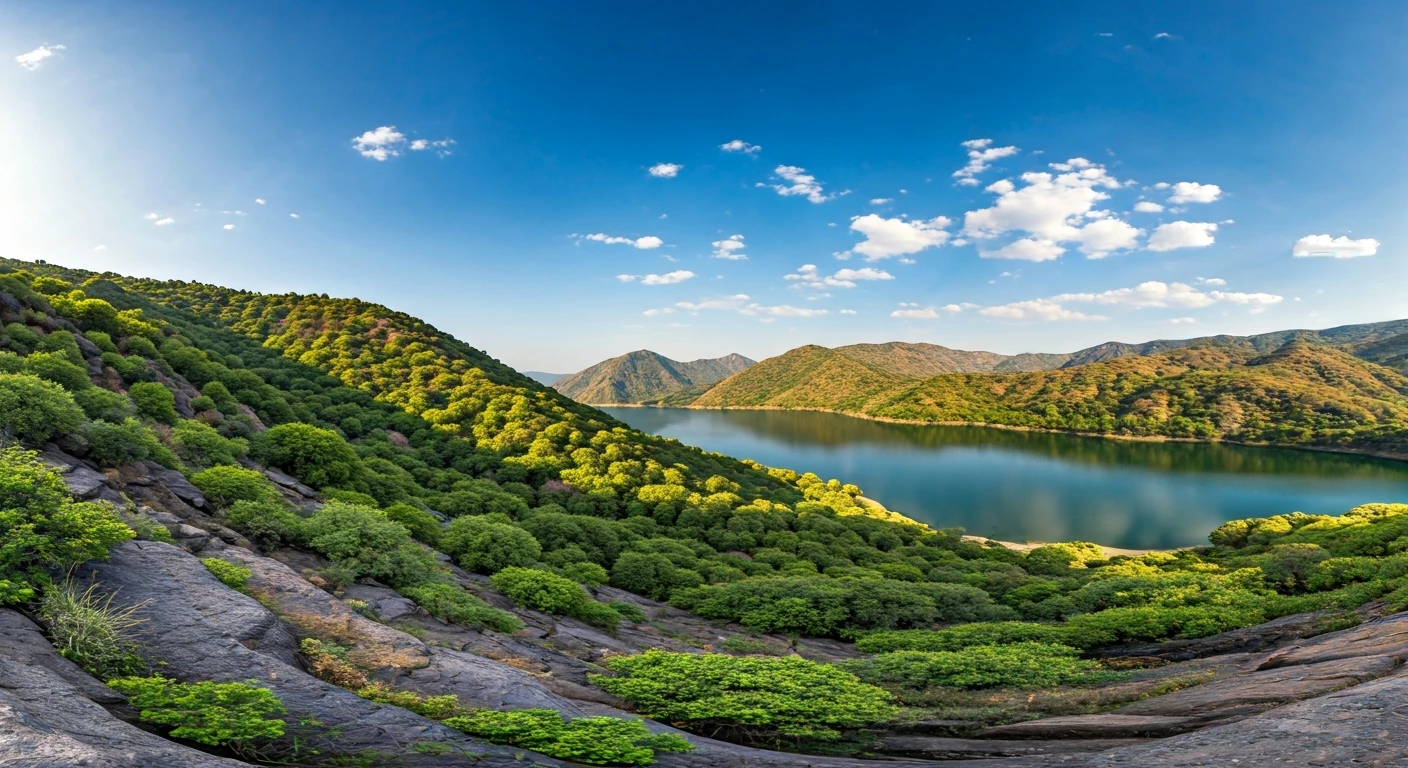
Welcome to Mount Abu, the only hill station in the otherwise desert-dominated state of Rajasthan. Perched at an elevation of 4,000 feet, this verdant plateau is a literal breath of fresh air. For centuries, it served as a summer capital for Rajputana
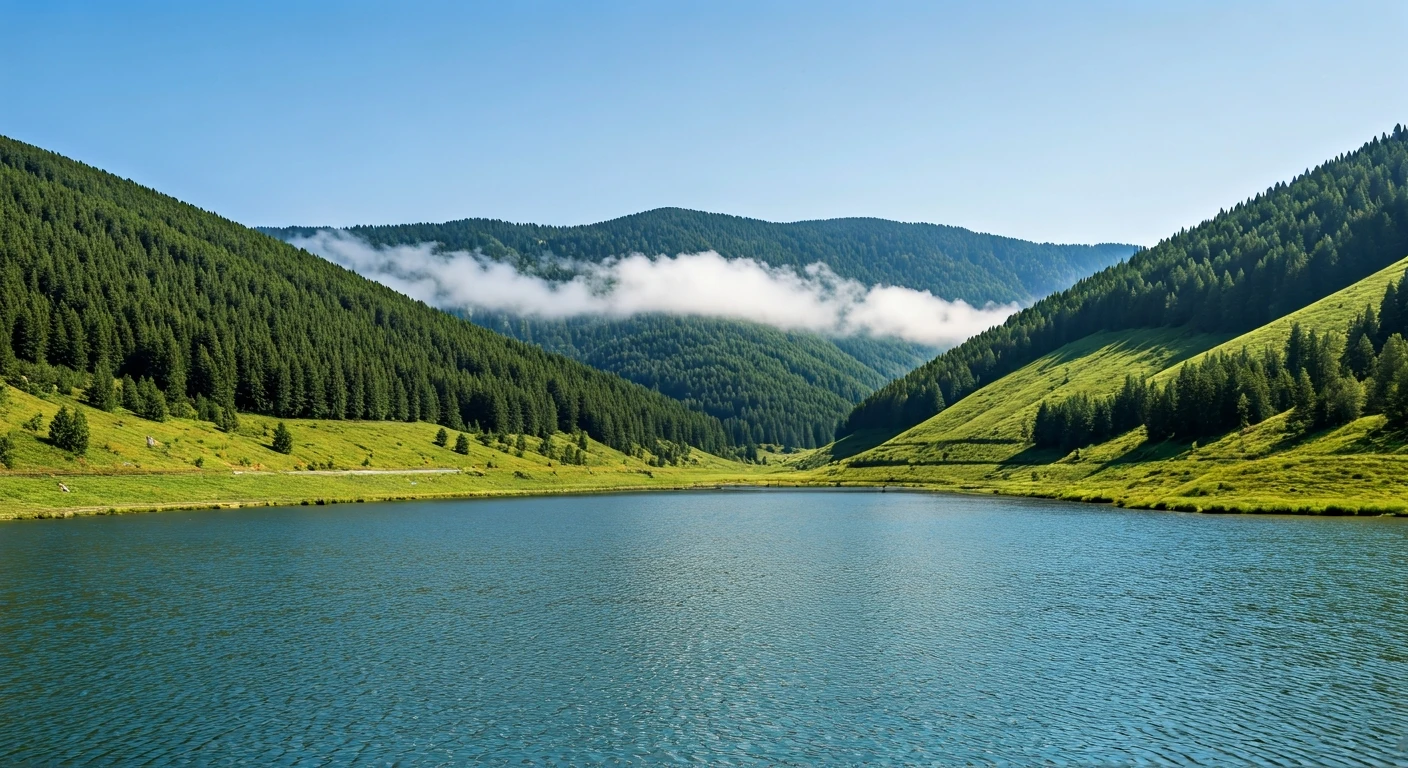
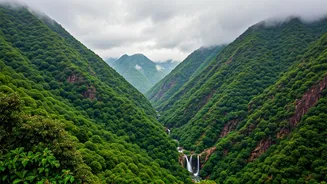
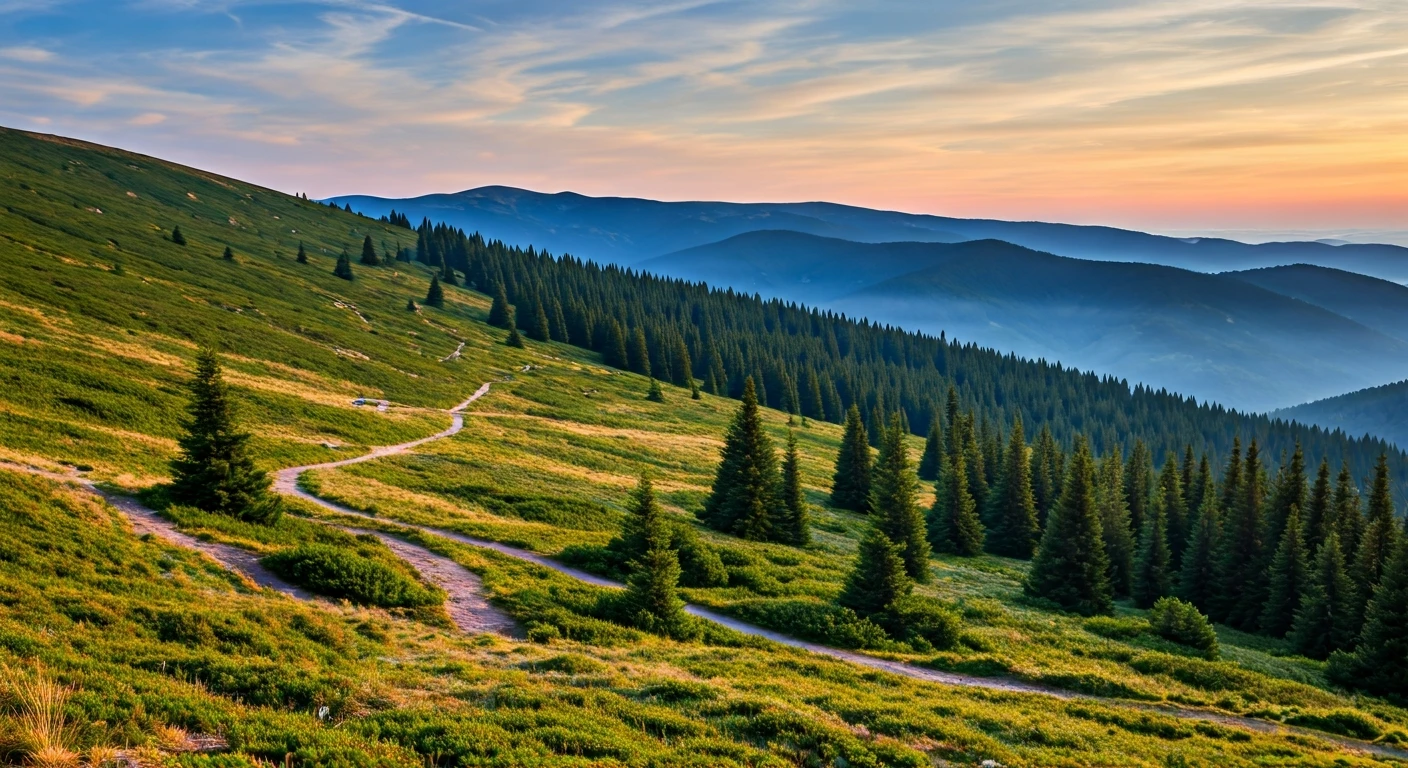
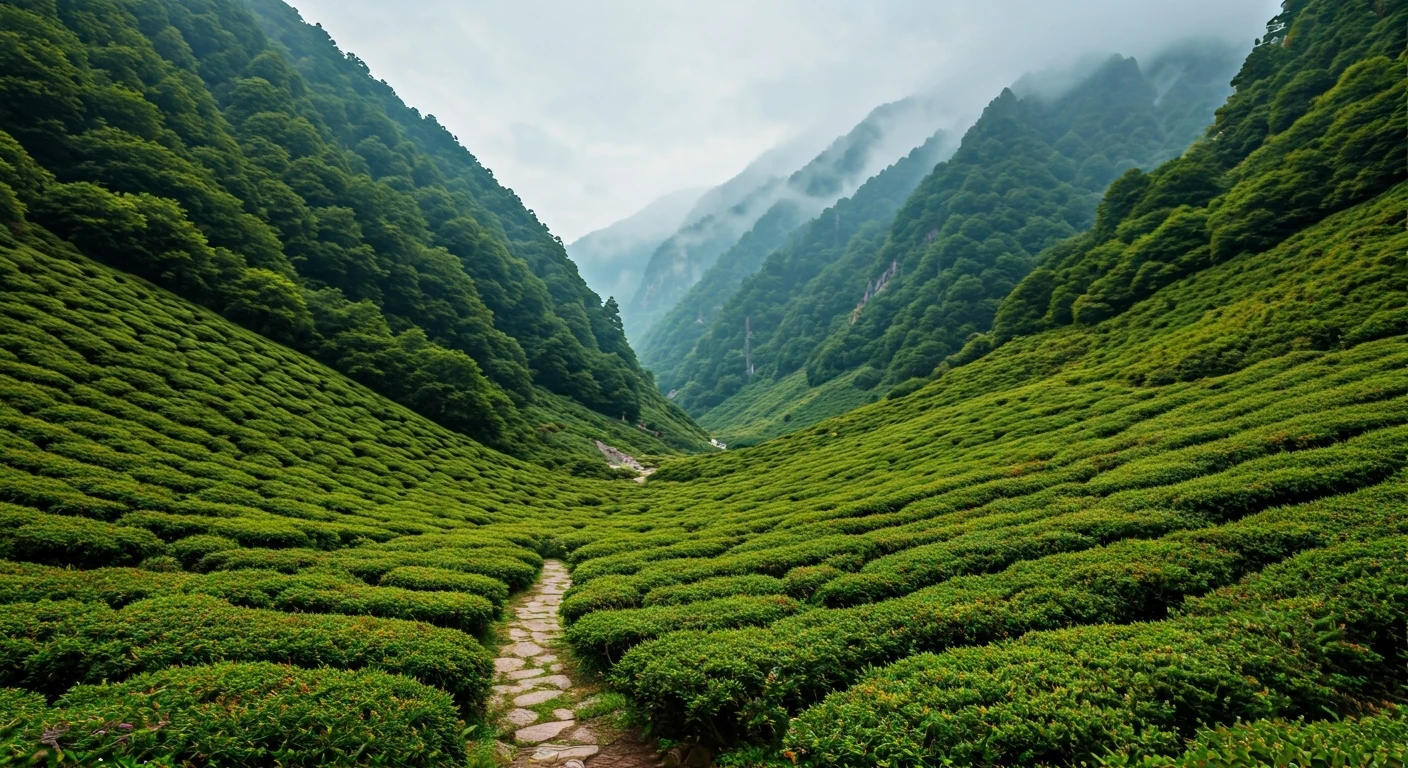
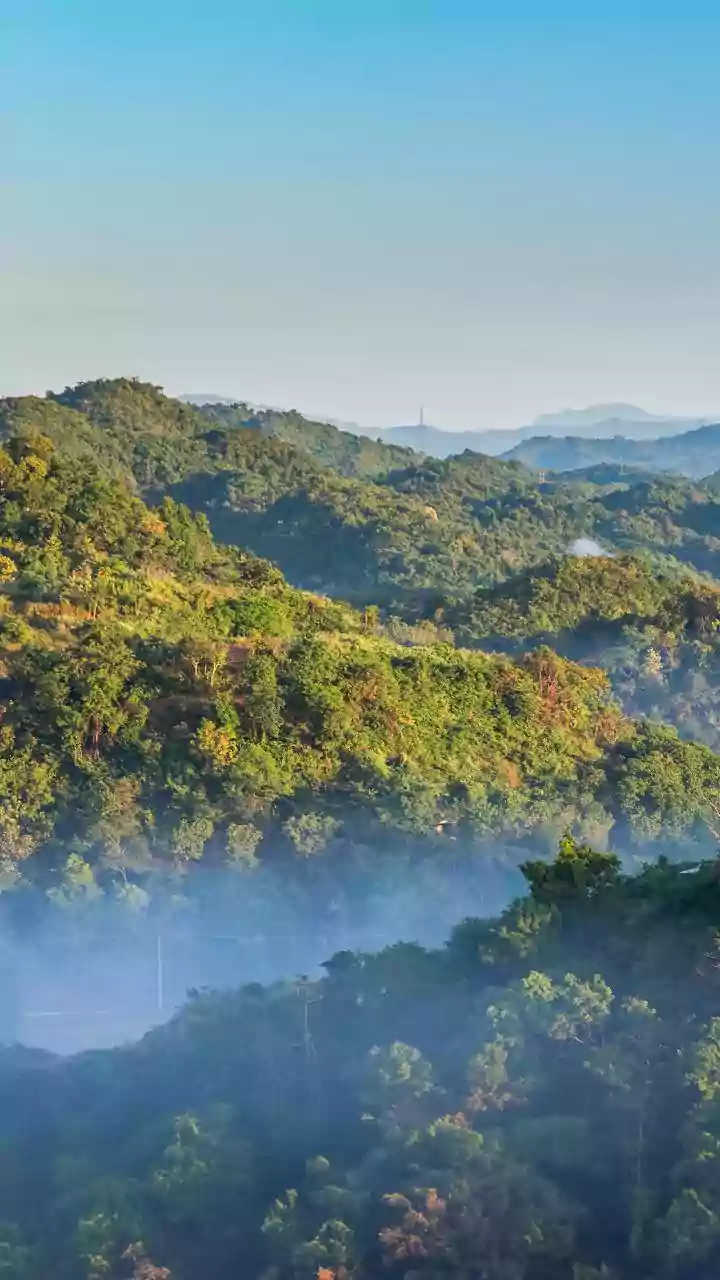
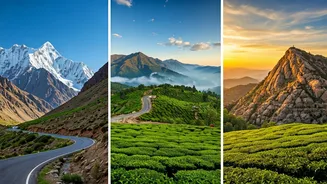
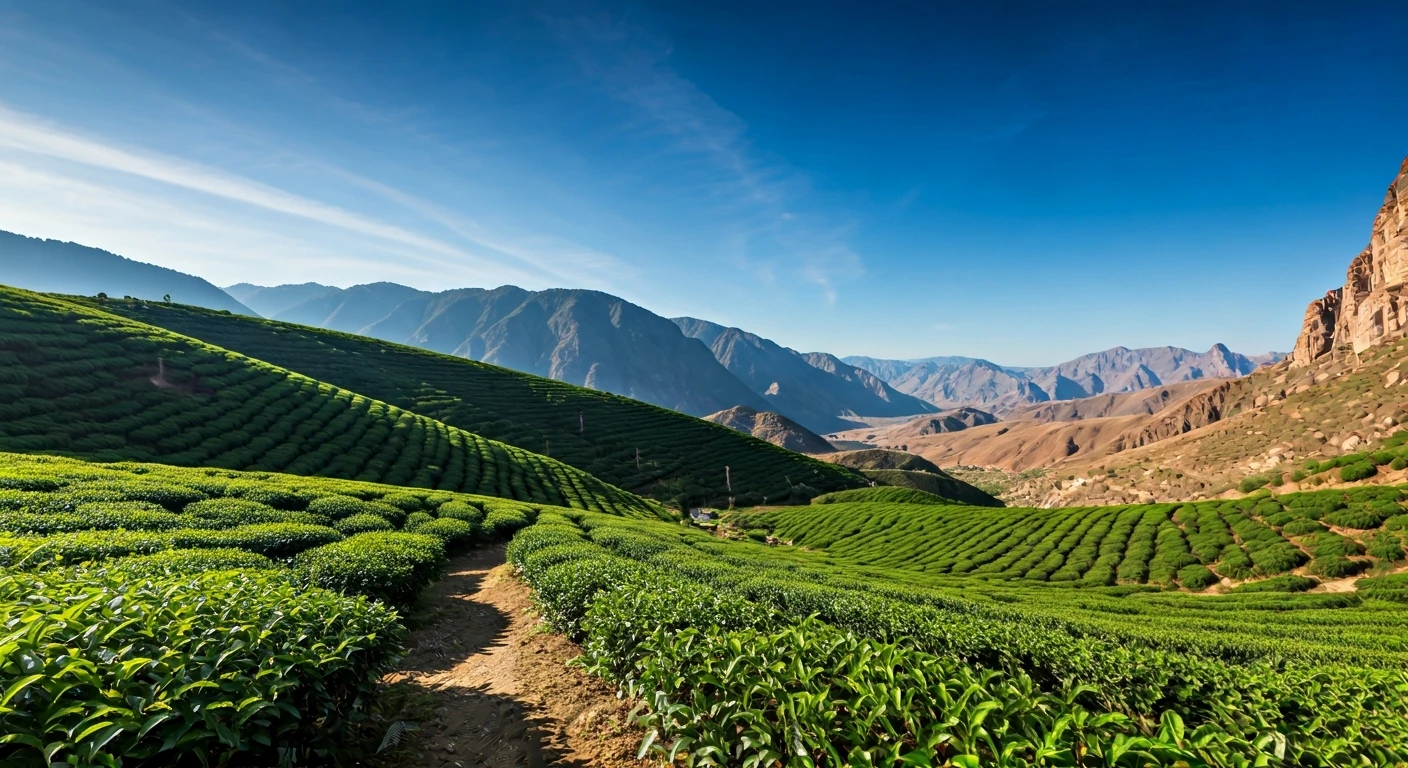
royalty and later a breezy retreat for British officials desperate to escape the blistering heat of the plains. Think of it as India's answer to the Hamptons or Palm Springs—a designated escape hatch for those in the know. Its landscape is a startling contrast to the rest of the state: winding roads are lined with eucalyptus and bamboo, flowering shrubs cascade over stone walls, and the air carries the scent of pine instead of dust. This unique geography is the very foundation of its appeal, offering a climate and atmosphere found nowhere else in Rajasthan.
Sacred Temples and a Serene Lake
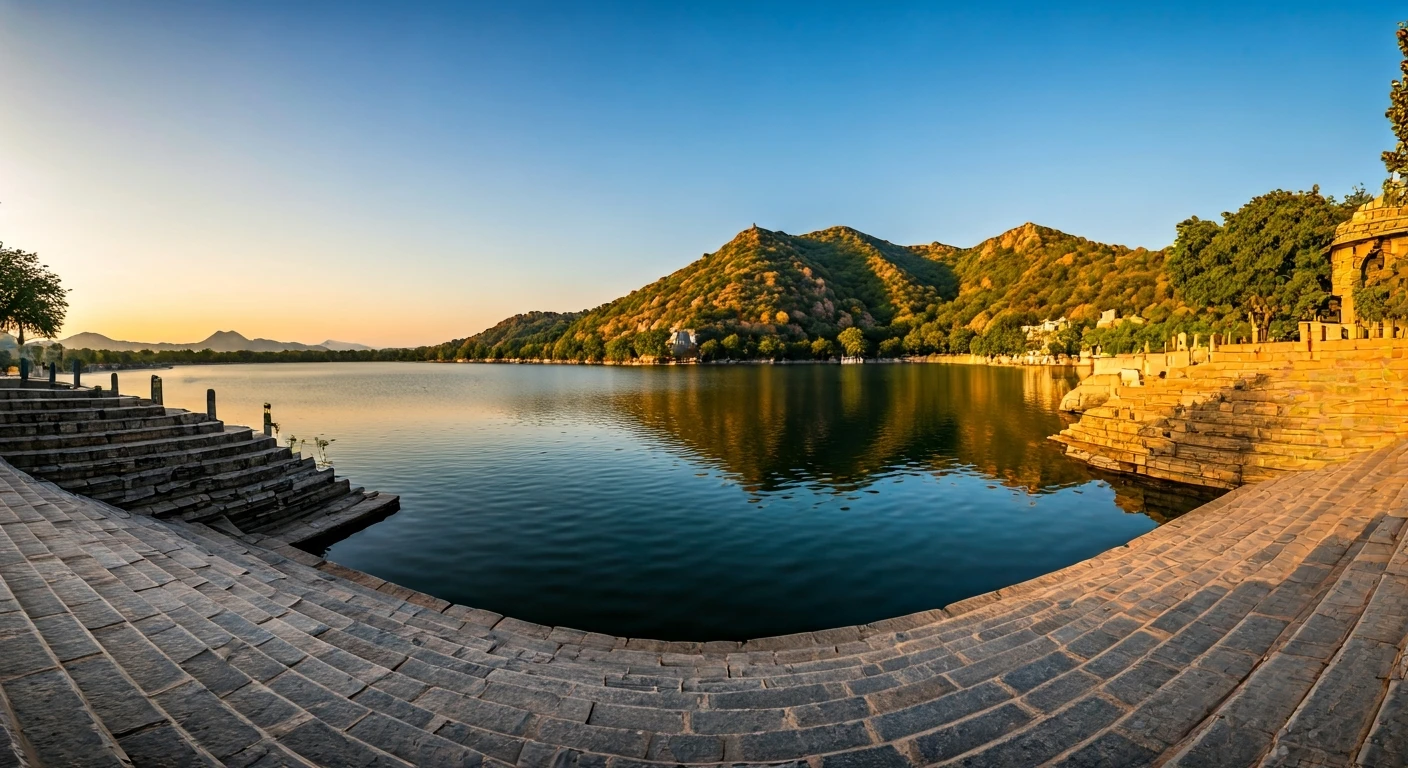
Mount Abu isn’t just a climatic anomaly; it's a hub of immense cultural and spiritual significance. The crown jewels are the Dilwara Temples, a complex of five Jain temples built between the 11th and 13th centuries. From the outside, they appear deceptively simple, but inside, they reveal some of the most intricate and breathtaking marble carvings on Earth. Every ceiling, pillar, and doorway is a filigreed masterpiece of lotuses, gods, and mythological scenes, so finely wrought it looks like ivory. Beyond the temples, the heart of the town is Nakki Lake. According to legend, it was dug by the gods using their fingernails ('nakh' means nail). Today, it’s a picturesque spot where you can rent a paddleboat, stroll along the promenade, and watch the sun set behind the distinctive Toad Rock, a massive boulder that, yes, looks just like a toad.
Why It’s Trending Right Now
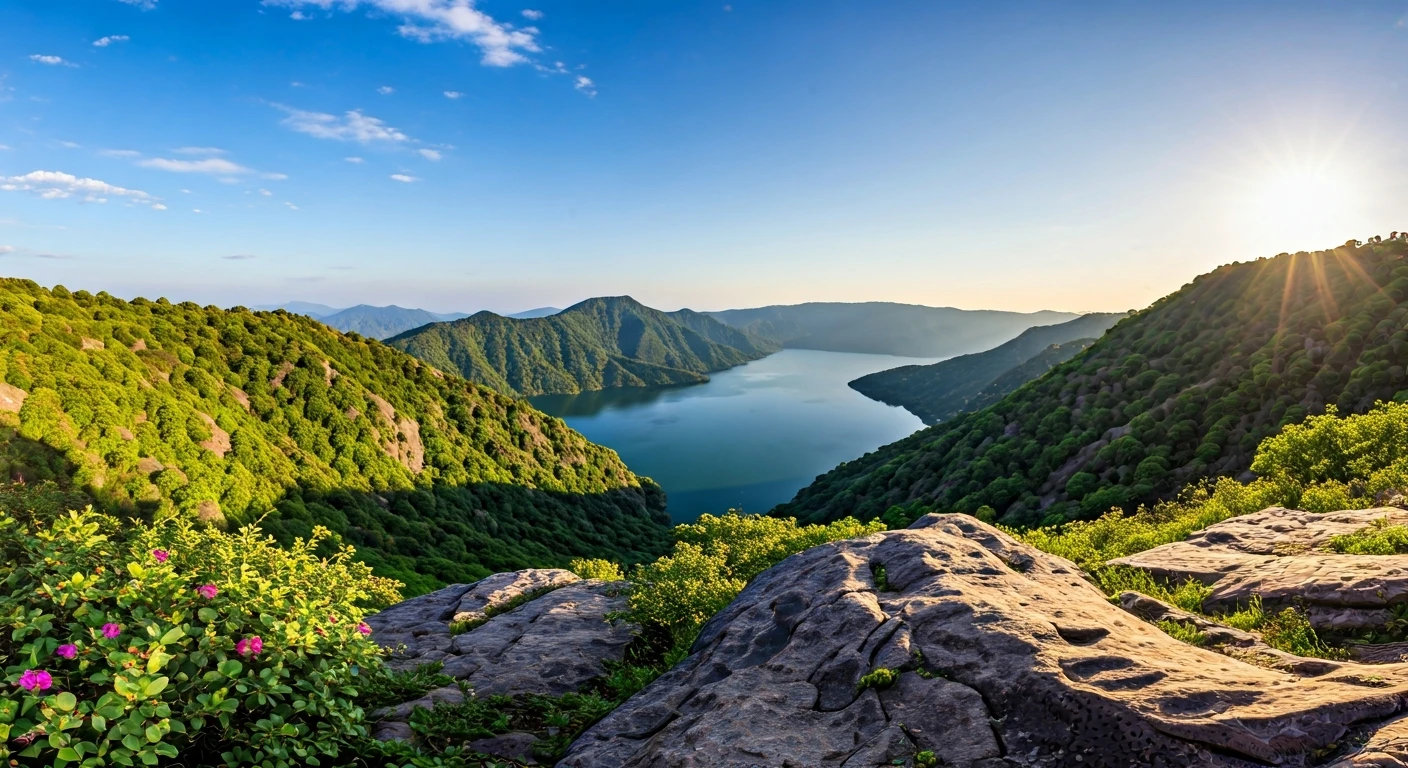
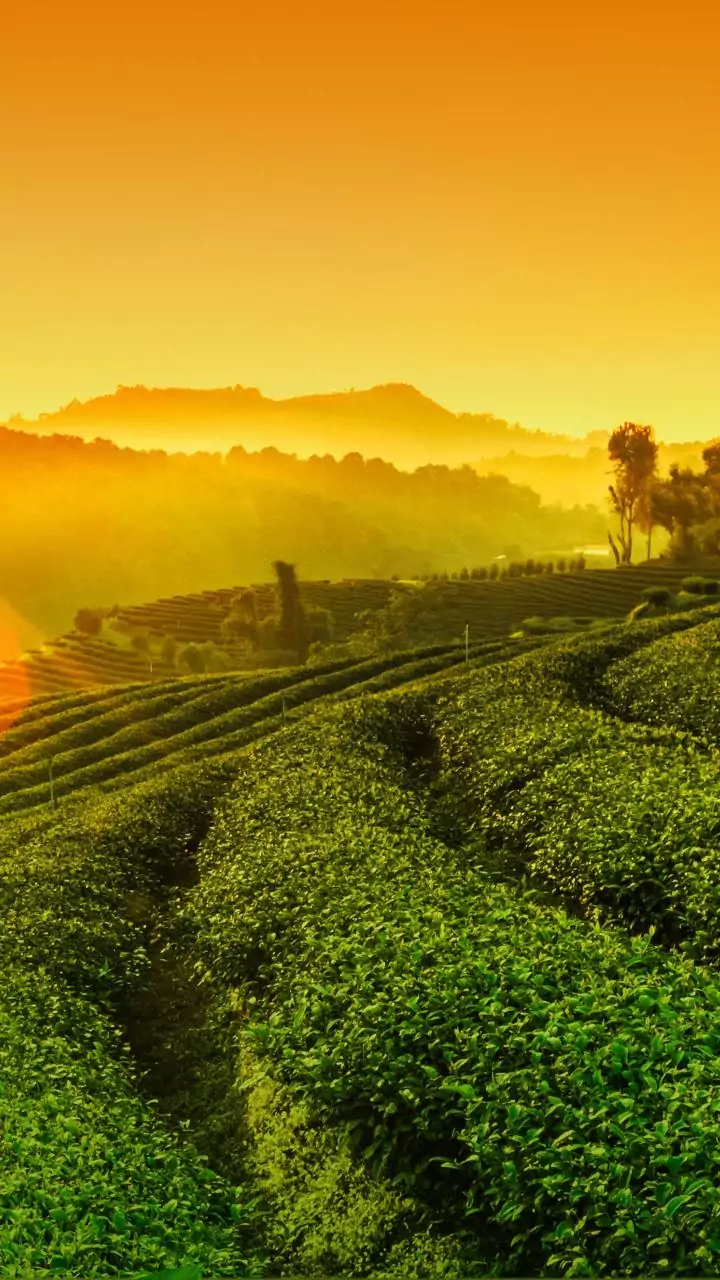
For years, Mount Abu was seen as a charming but slightly dated destination, popular mostly with local families and pilgrims. Now, that's changing. A new generation of travelers, both Indian and international, is rediscovering it. So what’s driving the resurgence? First, there's the post-pandemic desire for slower, more nature-focused travel. Mount Abu offers hiking, bird-watching, and a peaceful vibe that feels a world away from the chaotic energy of India’s megacities. Second, a wave of new boutique hotels and thoughtfully restored heritage properties are offering a more refined experience. These aren't the large, impersonal resorts of old, but intimate stays that emphasize local culture and modern comfort. Finally, social media has put its stunning landscapes—from the panoramic views at Guru Shikhar (the highest point in the Aravallis) to the misty mornings over the lake—on everyone’s feed, sparking a fresh wave of curiosity.
Planning Your Escape
Incorporating Mount Abu into a U.S. traveler's Rajasthan itinerary is easier than you think. The most common route is to fly into Udaipur (about a 3-hour drive away) or Ahmedabad (a 4.5-hour drive). Both cities have excellent flight connections. The best time to visit is between October and March, when the weather is crisp, sunny, and perfect for sightseeing. The monsoon season (July to September) is also popular, as the rain transforms the region into a lush, foggy paradise, though be prepared for wet conditions. Unlike the grand, sprawling forts of Jaipur or Jodhpur, Mount Abu is a place to slow down. Plan for at least two to three days to soak in the atmosphere. Spend your mornings exploring the temples and your afternoons boating on the lake or reading a book at a quiet cafe. It's the ideal counterpoint to a hectic tour of Rajasthan's bigger cities.