
1. We Embraced The Power of Fire
The single biggest game-changer for vegetables has been the rediscovery of high heat. For decades, the default methods were boiling and steaming—processes that add water, dilute flavor, and often result in a mushy, unappealing texture. The modern approach
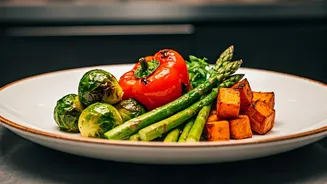
is the exact opposite. Roasting, grilling, and charring vegetables in a hot oven or over an open flame doesn't just cook them; it transforms them. This intense heat triggers the Maillard reaction, the same chemical process that creates the delicious brown crust on a seared steak or a loaf of bread. It caramelizes the natural sugars in vegetables like carrots, sweet potatoes, and Brussels sprouts, creating deep, nutty, and complex flavors that simply can't be achieved in a pot of water. A slightly blackened, blistered broccoli floret is a world away from its pale, steamed cousin—it’s savory, a little smoky, and has a satisfying textural bite.
2. The Umami Bomb Went Plant-Based
One of the reasons meat-centric dishes feel so satisfying is umami, the fifth taste associated with savory, rich, and 'meaty' flavors. For a long time, it was assumed that vegetables just couldn't compete on this front. That assumption has been completely debunked. Chefs and savvy home cooks are now masters of the plant-based umami bomb, layering ingredients to create incredible depth. Think of roasted mushrooms, which are naturally rich in glutamates. Add to that soy sauce, tamari, or miso paste in dressings and marinades. Nutritional yeast provides a cheesy, nutty flavor to sauces and toppings. Even tomatoes, especially in their concentrated paste or sun-dried forms, are umami powerhouses. By strategically combining these elements, a simple bowl of roasted vegetables can have the same satisfying, mouth-watering quality that was once reserved for a burger or a stew.
3. Texture Became the Co-Star
A great dish is never just about taste; it’s also about feeling. The boring veggie plates of yesteryear were often a monotonous textural experience. Today, a successful vegetable-forward dish is a playground of textures. A chef isn’t just thinking about the flavor of a roasted cauliflower; they’re thinking about what will contrast with its tenderness. This is where toppings and finishing touches become crucial. You’ll find crunchy, toasted nuts and seeds (pepitas, almonds, sesame) scattered over soft roasted squash. Creamy sauces made from tahini, yogurt, or cashews are drizzled over crisp greens. Crispy fried shallots or garlic might top a simple bean dish. Pomegranate seeds add a juicy pop. This focus on textural contrast makes every bite more interesting and keeps your palate engaged from start to finish.
4. The Global Pantry is Now Local
Walk down the international aisle of any decent supermarket, and you’ll find the secret weapons of the modern vegetable revolution. American kitchens have enthusiastically adopted flavor-packed condiments, spices, and pastes from around the world. A simple piece of roasted eggplant becomes a masterpiece with a spoonful of high-quality tahini and a sprinkle of za'atar. A boring salad is electrified with a vinaigrette made from gochujang, the Korean fermented chili paste. Harissa adds smoky, spicy depth to roasted carrots. Miso brings savory complexity to everything from glazed sweet potatoes to salad dressings. These ingredients are shortcuts to incredible flavor. They allow home cooks to instantly add layers of complexity—spicy, funky, tangy, and savory—that would have once required hours of work or a deep culinary knowledge.
5. Vegetables Took Center Stage
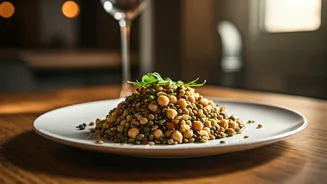
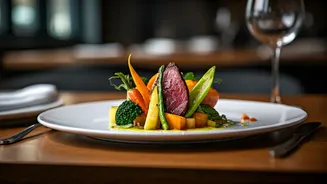
Perhaps the most important shift has been philosophical. For generations, the American plate was structured around a large piece of protein, with vegetables as a dutiful, often-ignored supporting actor. That model is being flipped on its head. Now, the vegetable is the star. Chefs and home cooks are asking, "What can I build around this incredible head of cabbage?" instead of "What goes with this chicken breast?" This plant-centric mindset unleashes creativity. It encourages us to think about a head of cauliflower as a 'steak' that can be seared, sauced, and served as a hearty main course. It treats a humble lentil or chickpea not as filler, but as a robust and flavorful foundation for a meal. When vegetables are no longer an obligation but the main event, the pressure is on to make them spectacular—and the culinary world has risen to the challenge.