



The Great Domestication of Everything
It didn't happen overnight, but it felt like it. The rapid shift to remote work threw office culture into a tailspin, but its biggest legacy might be the transformation of the American home. Suddenly, the space once reserved for unwinding became the space for everything.
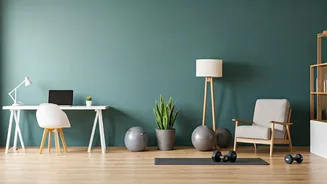
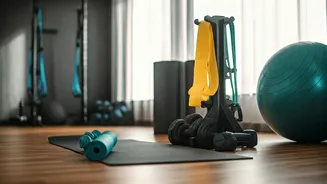
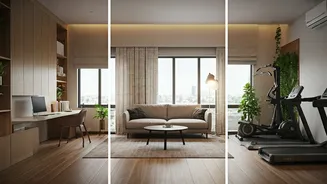
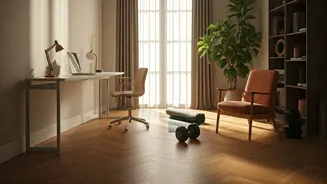
The guest room became a C-suite. The living room floor became a yoga studio. The kitchen counter became a standing desk. This great convergence was fueled by necessity but has since become a fixture of modern life. Companies that once championed in-person collaboration now offer hybrid schedules, and the home fitness industry has boomed. Peloton bikes, Tonal gyms, and MIRROR devices are no longer niche luxuries; they are common appliances. We've traded commutes for high-intensity interval training sessions in the garage and water cooler chat for Slack channels we check during dinner. While convenient, this blending of worlds has created a new set of unspoken challenges. Our homes, once our sanctuaries, are now working overtime.
The Psychological Cost of No Boundaries
The biggest casualty of this new arrangement is the boundary. Previously, life was segmented by location. The commute to and from work, for example, wasn't just wasted time; it was a crucial psychological buffer. It was a period to ramp up for the day and, more importantly, to decompress on the way home, shedding the stresses of the office before walking through the front door. Without that physical and mental separation, the workday bleeds into personal time, and personal time is interrupted by work notifications. This constant context-switching is exhausting. When your brain doesn't get clear signals that it's time to shift from "work mode" to "rest mode" or "fitness mode," it can lead to a state of low-grade, persistent stress. You might find yourself answering emails while trying to follow a guided meditation or thinking about a work project during a family dinner. The result is that you’re never fully present in any single activity, leading to burnout, decreased productivity, and a feeling that you're always on the clock, even when you’re technically not.
How to Redraw the Lines
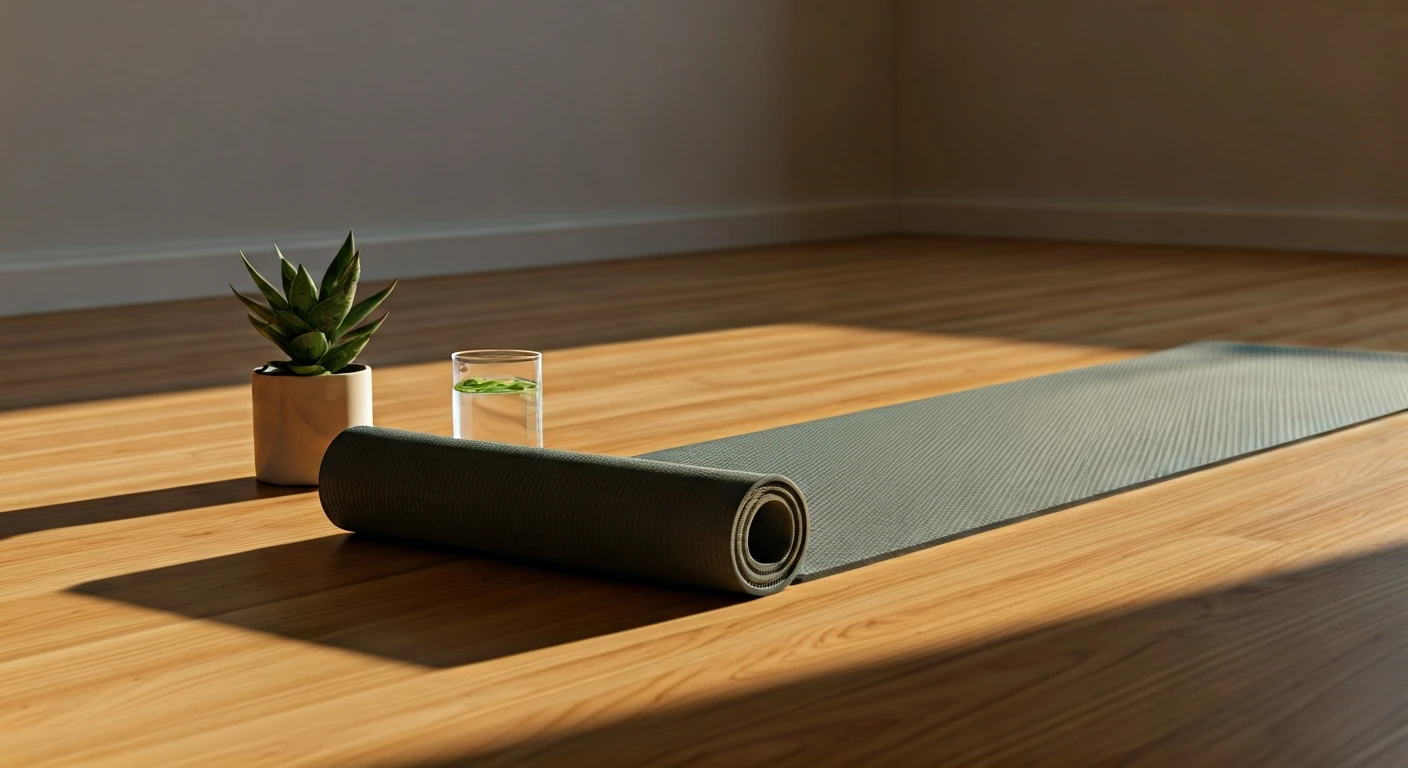
If we can't physically separate our activities, we must learn to create new kinds of boundaries. This isn't about building walls, but about being more intentional with our time and space. The first step is spatial zoning. Even in a small apartment, designate specific areas for specific tasks. Your work computer lives on your desk, and nowhere else. Your workout happens on the mat, and that mat is put away when you're done. This tells your brain, "This is the work spot" and "This is the rest spot." Next, focus on temporal boundaries. Create "opening" and "closing" rituals for your workday. It can be as simple as making a specific cup of tea to start the day and shutting your laptop for good at 6 p.m., followed by a five-minute walk around the block. These small, consistent actions signal a definitive end to your professional obligations. Finally, use sensory cues. Change the lighting from bright white when you're working to a warm, soft glow when you're relaxing. Play an upbeat playlist for your workout and calming ambient music in the evening. These cues help your mind transition, even if your body hasn't moved an inch.
Designing a Home That Works for You
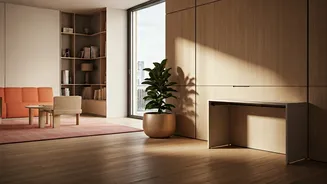
This trend isn't going away. As more people settle into long-term hybrid or remote lifestyles, the concept of the home is evolving. We're moving beyond makeshift solutions and starting to think about how to design our spaces for this new, multifaceted reality. This might mean investing in furniture that serves dual purposes, like a coffee table that rises to become a desk, or room dividers that can create a temporary office. It also involves a mental shift in how we view our homes. Instead of seeing it as one monolithic space, think of it as a collection of zones, each with a purpose. The goal is not to achieve the perfect, Instagram-worthy separation of church and state, but to create a living environment that supports all the different facets of your life. A home that allows you to be a productive professional, a healthy individual, and a relaxed human being—sometimes all within the same hundred square feet.