


Beyond the Tourist Trail
Welcome to Maharashtra, the Indian state home to the megacity of Mumbai, but also to a vast, emerald mountain range teeming with life: the Western Ghats. A UNESCO World Heritage site and one of the world's most important biodiversity hotspots, this region
has historically been overshadowed by India’s more famous destinations. Now, a concerted push towards community-led eco-tourism is opening up its misty peaks, lush valleys, and ancient forests to travelers seeking authenticity over crowds. This isn't about checking boxes; it's about connecting with nature and culture in a way that directly supports the people who call this stunning landscape home.
The Community-First Model
What makes these new “pathways” so special isn't just the scenery—it's the philosophy. The government and local organizations are empowering villagers to become guardians and guides of their own environment. Instead of large, impersonal resorts, the focus is on intimate homestays where you share meals with a local family, learning about their traditions and way of life. Tourism revenue, which often gets siphoned off by large corporations, is instead funneled directly back into the community. This helps fund schools, improve infrastructure, and provide a powerful economic incentive for conservation, turning tourism into a force for good.
Trekking Through the Sahyadris
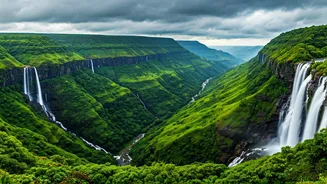
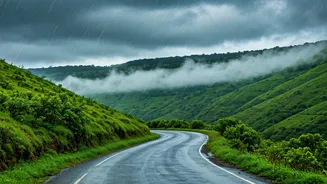
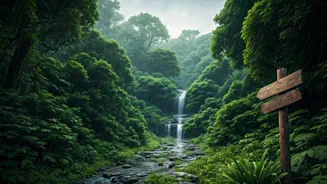
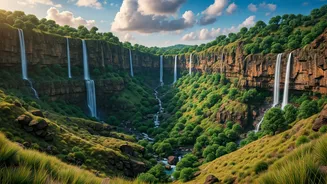
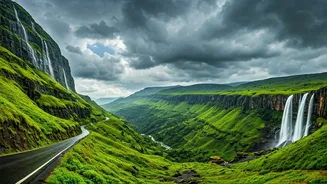
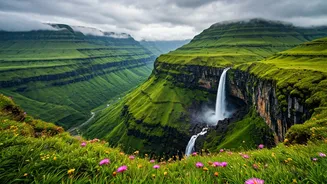
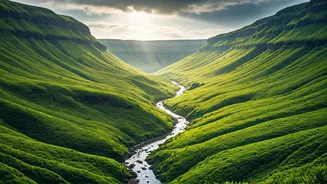
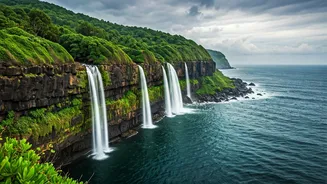
For the active traveler, the Sahyadri mountain range (the local name for the Western Ghats in Maharashtra) is a paradise. During and after the monsoon season (June to October), the entire landscape erupts in a riot of green. Waterfalls cascade down black-rock cliffs, and ancient forts, once the strongholds of Maratha warriors, offer breathtaking panoramic views. Popular treks in areas like Malshej Ghat and around the hill stations of Lonavala and Khandala provide varying levels of difficulty, from gentle valley walks to challenging climbs. Local guides can lead you along hidden trails, pointing out medicinal plants and sharing folklore connected to the dramatic landscape.
A Sanctuary for Rare Wildlife
This region is a real-life nature documentary. The Bhimashankar Wildlife Sanctuary is one of the best places in the world to spot the elusive Shekru, or Malabar Giant Squirrel, a creature so vibrant it looks like it was colored in with markers. The Kaas Plateau, often called Maharashtra's "Valley of Flowers," transforms into a carpet of more than 850 species of wildflowers for a few short weeks after the monsoon, a breathtaking and ephemeral spectacle. Birdwatchers flock here to spot endemic species found nowhere else on Earth. These protected areas are managed with a light touch, prioritizing the well-being of the ecosystem over mass tourism.
Living and Eating Like a Local
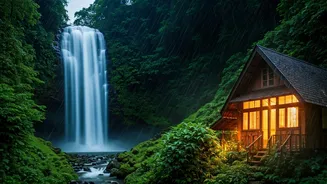
The true heart of this eco-tourism experience lies in its human connection. Staying in a village homestay is an invitation into another world. Accommodations are simple but clean and comfortable. The real luxury is the hospitality and the food. Forget generic hotel fare; this is your chance to taste authentic Maharashtrian home cooking. Imagine eating a thali of fresh vegetables grown in a nearby garden, with bhakri (a type of flatbread) and spicy curries, all prepared by your host. It's a culinary journey that complements the physical one, offering a taste of place that you simply can't find anywhere else.