





Meet the Toughest Fast
Welcome to the world of Nirjala Ekadashi. For millions of Hindus around the world, this day represents the most challenging and sacred fast of the year. The name itself is a dead giveaway: in Sanskrit, 'nirjala' means 'without water' and 'Ekadashi' refers
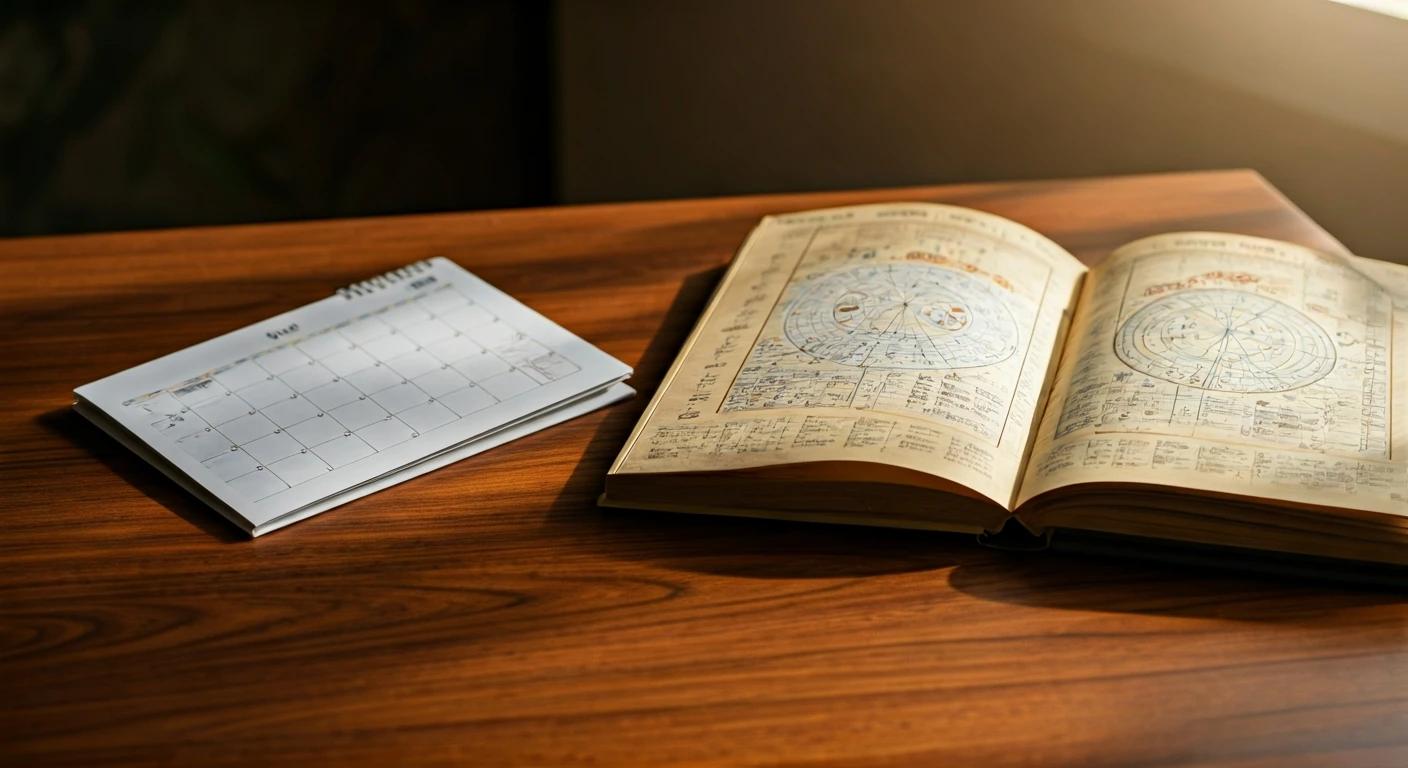
to the eleventh day of the lunar cycle. While many fasts involve abstaining from food, Nirjala Ekadashi requires observers to forgo both food and water for a full 24-hour period, typically from sunrise to sunrise. It usually falls in late May or early June, during the Hindu month of Jyeshtha, which coincides with the onset of intense summer heat in India. In a culture obsessed with tracking our water intake down to the ounce, the concept of willingly abstaining from it, even for a day, is both jarring and deeply intriguing.
An Act of Ultimate Devotion
So, why would anyone do this? The motivation isn't penance or self-punishment, but profound spiritual devotion. The fast is dedicated to Lord Vishnu, one of the principal deities in Hinduism. The belief is that observing this one particularly difficult fast can bestow the spiritual benefits of all 24 other Ekadashi fasts observed throughout the year. It's seen as a powerful act of faith, a way to cleanse the body and soul of sins, and an exercise in extreme self-control. The fast is also famously associated with Bhima, one of the five Pandava brothers from the epic Mahabharata. A great warrior with a famously large appetite, Bhima found it impossible to observe the regular bi-monthly fasts. His spiritual advisor suggested he observe just one—Nirjala Ekadashi—to make up for all the others, earning it the nickname Bhimseni Ekadashi.
A Different Kind of Wellness
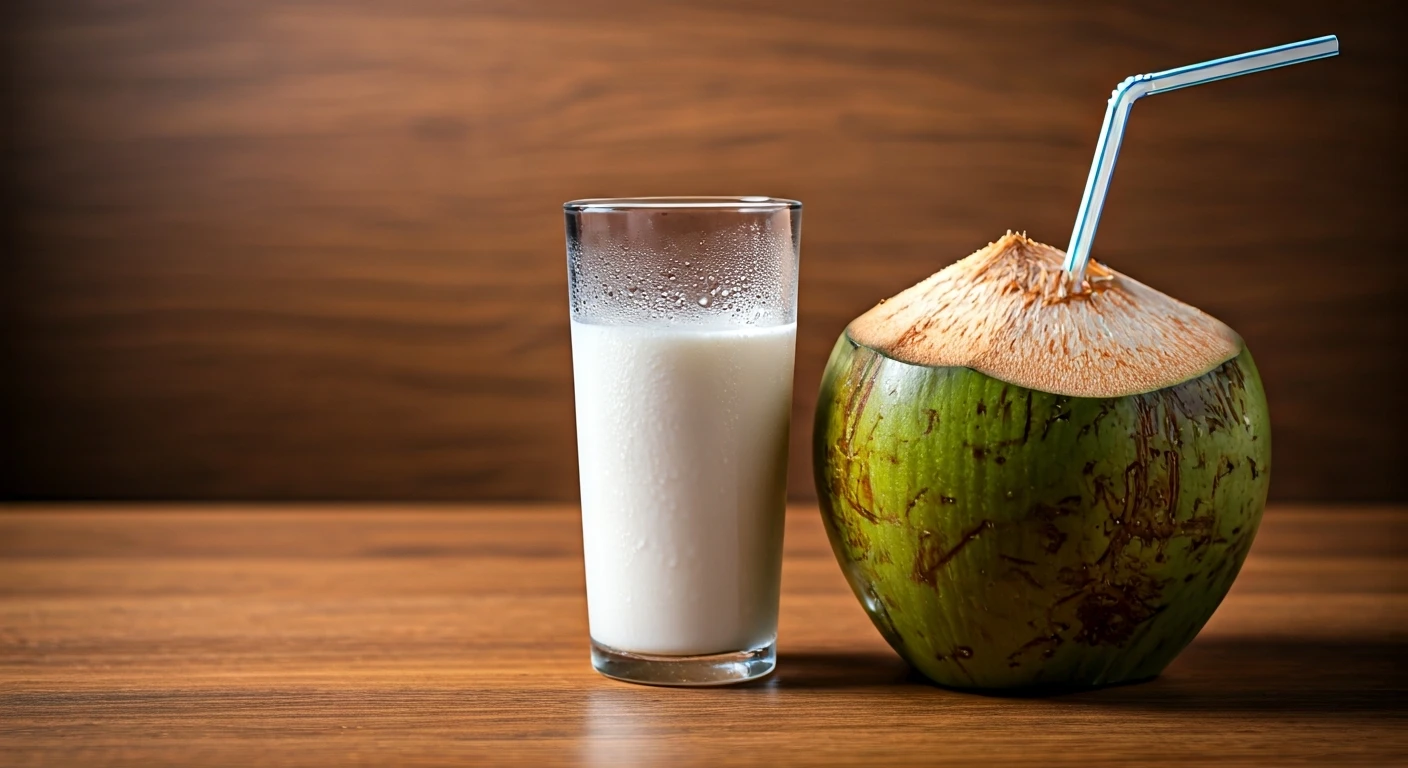
This ancient practice lands in our modern 'wellness' culture like a visitor from another planet. We live in an era of HydroFlasks, Stanley cups, and apps that chirp at us to drink more H2O. We're told that peak performance, glowing skin, and mental clarity are just a few more sips away. Dehydration is positioned as a constant, looming threat to our well-being. Nirjala Ekadashi flips that script entirely. It proposes that spiritual clarity and discipline can be found not in consumption, but in intentional abstention. It’s a powerful reminder that for much of human history, wellness and spirituality have been intertwined in ways that have little to do with bio-hacking or optimization. This isn't a recommendation to try it—a 24-hour water fast can be dangerous without proper guidance and physical preparation. Instead, it’s an invitation to consider a radically different framework for the relationship between the body, the mind, and the spirit.
More Than Just Not Drinking
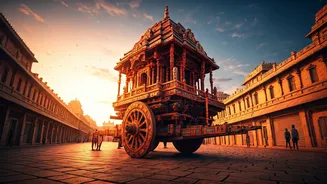
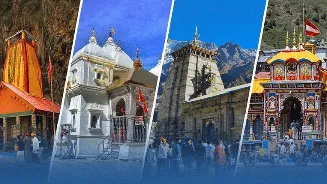
The day of Nirjala Ekadashi is not simply about enduring thirst. It's meant to be a day of deep spiritual focus. Devotees often spend their time in prayer, chanting mantras, reading holy texts, and visiting temples dedicated to Vishnu. The goal is to turn the mind away from physical needs and direct it toward the divine. Charity is also a key component, with many people donating food, water, and other essentials to the less fortunate. The fast is broken the following morning (an event called Parana) only after sunrise and completing specific rituals. This structured conclusion is as important as the fast itself, often involving a simple, clean meal. The first sip of water after 24 hours is said to be a moment of profound gratitude, a visceral reminder of a life-giving resource that is often taken for granted.