



The 15-Minute HIIT Blitz
High-Intensity Interval Training (HIIT) is the undisputed champion of time-efficient exercise. The concept is simple: short, all-out bursts of effort followed by brief periods of rest or low-intensity movement. This method spikes your heart rate and metabolism,
leading to significant calorie burn in a fraction of the time of a steady-state cardio session. Studies show that HIIT can also trigger an 'afterburn effect,' where your body continues to burn calories for hours after you've finished exercising. A perfect summer HIIT workout can be done anywhere. Try this for 15 minutes: 40 seconds of maximum effort followed by 20 seconds of rest. Cycle through five exercises, like jumping jacks, burpees, high knees, mountain climbers, and squat jumps. Complete three full rounds, and you've just done a workout more effective than a 30-minute jog.
Embrace 'Exercise Snacking'
If even 15 minutes feels like too much of a commitment, try 'exercise snacking.' The term, coined by researchers, refers to spreading micro-bursts of activity throughout your day. Instead of one dedicated workout, you 'snack' on movement. This approach is incredibly effective at breaking up long periods of sitting, which is a major health risk on its own, and it makes fitness feel less like a scheduled event and more like a natural part of your life. What does it look like? Do 20 squats while your coffee brews. Perform a set of incline push-ups against your kitchen counter while waiting for the microwave. Take two minutes to do walking lunges down the hallway. Each 'snack' might only last 60-120 seconds, but accumulating 10-15 of these throughout the day adds up to a significant amount of physical activity, boosting your energy and metabolism without ever having to change into gym clothes.
The 'One-Dumbbell' Wonder
You don't need a rack of weights to get a fantastic strength workout. A single dumbbell or kettlebell is all it takes to build muscle and burn fat. This minimalist approach saves time on setup and transitions between exercises, allowing you to flow through a full-body routine in under 20 minutes. It's perfect for a quick session at home before heading to the beach or at a crowded gym where equipment is scarce. Build a circuit around compound movements that work multiple muscle groups at once. For example: perform 10-12 reps of goblet squats, followed immediately by single-arm rows on each side, then kettlebell (or dumbbell) swings, and finally overhead presses. Rest for 60 seconds after completing all four exercises, and repeat the circuit 3-4 times. It's a comprehensive, muscle-building workout that respects your summer schedule.
The Bodyweight-Only Park Burn
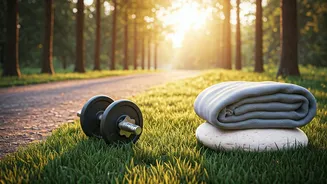
One of summer's greatest assets is the outdoors, so why not make it your gym? Bodyweight training requires zero equipment and can be done anywhere, from your backyard to a local park. The key is to focus on form and control, making each repetition count. This is the ultimate 'no excuses' workout, perfect for vacation or when you just want to get some fresh air. A simple but potent bodyweight circuit could involve alternating between upper and lower body movements to keep your heart rate up. Try a sequence of 45 seconds of work and 15 seconds of rest for the following: push-ups (or an easier variation), alternating reverse lunges, planks with a shoulder tap, and glute bridges. Move through the circuit four times for a 16-minute session that will challenge your strength, stability, and endurance.
The Active Recovery Flow
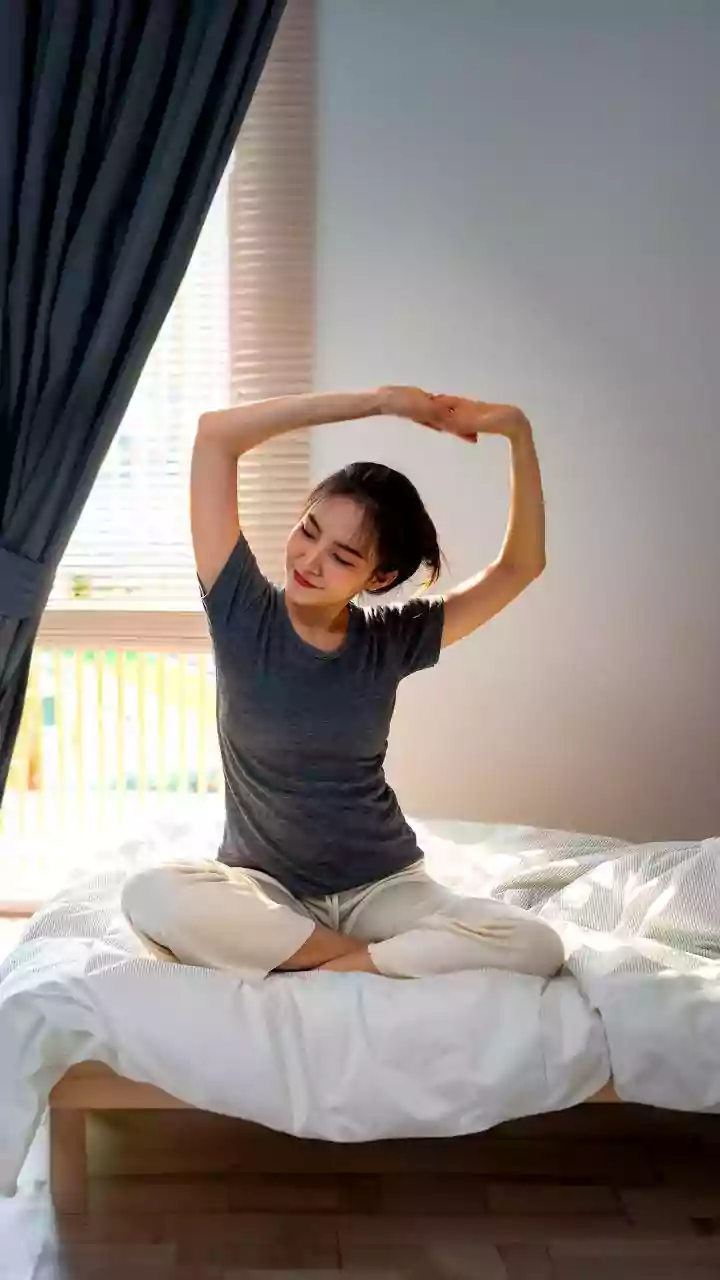
Not every short workout needs to leave you breathless. In fact, low-intensity movement is just as important for a well-rounded fitness plan. A 10-to-15-minute active recovery session can improve flexibility, reduce muscle soreness, and help calm your nervous system—all of which are crucial for staying consistent. On days when you're feeling sore or unmotivated, a gentle flow is far better than doing nothing at all. Use this time for focused stretching, holding each stretch for 30-45 seconds. You could also follow a short yoga video on YouTube or simply move through a series of mobility drills. Focus on areas that get tight from sitting or other activities, like your hips, hamstrings, and shoulders. This small investment of time pays huge dividends in how you feel and perform in your more intense workouts, making your entire fitness routine more sustainable.