



The New Weather Reality
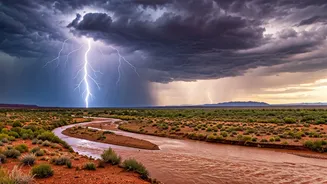
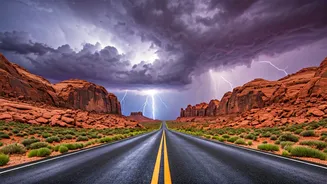
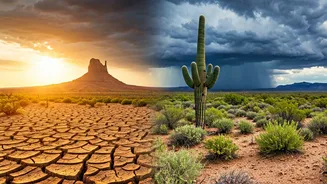
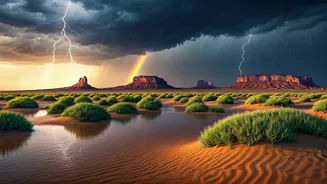
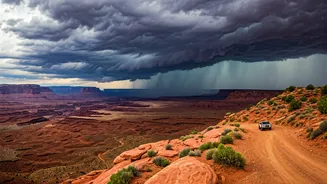
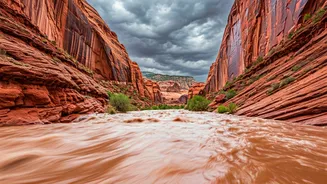
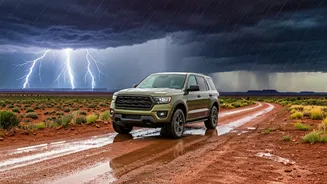
For many Americans, “monsoon” might sound like an exotic phenomenon from a distant land. But the North American Monsoon is a real and increasingly powerful weather pattern that brings dramatic, often disruptive summer thunderstorms to the Southwest, primarily
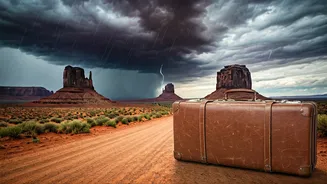
Arizona, New Mexico, and parts of surrounding states. From roughly June to September, these storms can cause flash floods, road closures, and flight delays, turning a planned desert adventure into a logistical nightmare. This isn't just a regional issue. As weather patterns become more volatile nationwide, the lessons of monsoon planning—proactive, defensive, and detail-oriented—apply equally to hurricane season on the East Coast or wildfire season in the West. The era of assuming your vacation will go off without a hitch is over. The new travel mantra is simple: hope for the best, but plan for the worst, and that plan begins with your booking confirmations.
Decoding the Cancellation Policy
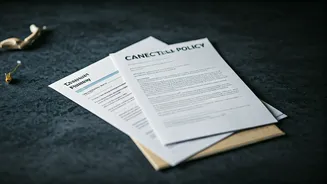
Before you click “book,” you need to become a fine-print detective. Don’t just look for the word “flexible.” Dig deeper. Is it a full cash refund, or is it a travel credit with an expiration date? Many hotels offer tiered rates, where the cheapest, non-refundable option is tempting but carries the most risk. Look for policies that offer a full refund up to 24 or 48 hours before check-in. For airlines, the post-pandemic landscape is better, with most major U.S. carriers having eliminated change fees for main cabin tickets. However, “no change fees” doesn't mean “full refund.” It usually means you’ll get a flight credit. Canceling outright might still incur a penalty or result in a forfeit of the ticket’s value. The key is to understand the specific terms for *your* fare class before any money changes hands.
The 'Act of God' Clause Trap
Many travelers assume that if a natural disaster like a hurricane or major flood occurs, they are automatically entitled to a refund. This is a dangerous assumption. Most contracts include a “force majeure” or “Act of God” clause, which often *releases* the company from liability in unforeseen circumstances. An airline might cancel a flight into a hurricane-hit city and offer a refund or rebooking, but your non-refundable hotel room might not be so forgiving, arguing that their property is still technically open. They are not obligated to refund your money just because you can't get there. This is the single biggest gap where travelers lose money, and it’s where a good travel insurance policy becomes invaluable.
When Travel Insurance Is Worth It
Standard travel insurance is designed to cover specific, named perils like a personal medical emergency or a job loss. Weather is trickier. A basic policy might only cover you if your destination is rendered uninhabitable or if your common carrier (the airline) has a complete cessation of services for 24-48 hours. It won’t cover you if you simply want to cancel because the forecast looks bad. For ultimate peace of mind when booking trips during a volatile weather season, the gold standard is a “Cancel For Any Reason” (CFAR) policy. It’s more expensive—often 40-60% more than a standard policy—and typically only reimburses 50-75% of your non-refundable costs. But it gives you the power to call off a trip simply because you have a bad feeling, no justification needed. You must purchase CFAR coverage shortly after your initial trip payment, usually within 10-21 days.
Check Your Credit Card Benefits
Before you buy a separate insurance policy, check the guide to benefits for the credit card you’re using to book the trip. Many premium travel rewards cards come with surprisingly robust built-in trip cancellation and interruption insurance. These benefits can kick in if your trip is delayed or canceled due to severe weather. The coverage might be secondary—meaning it applies after you’ve tried to get a refund from the airline or hotel—but it’s a powerful safety net that many cardholders forget they have. Read the fine print, of course. Coverage limits and definitions of “severe weather” vary, but this built-in protection can often be enough to cover the gaps for a trip threatened by a monsoon downpour or an approaching tropical storm.