

The Un-Tourist Trap of the Himalayas
Tucked away in the Kullu district of Himachal Pradesh, India, Tirthan Valley is often called an “eco-zone.” It serves as the gateway to the Great Himalayan National Park, a UNESCO World Heritage Site, a designation that has mercifully protected it from
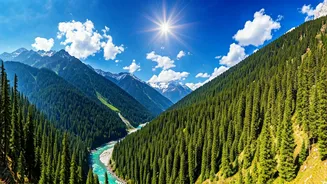
the rampant, unchecked development seen in more famous neighbors like Manali and Shimla. There are no sprawling resorts, no multi-story shopping malls, and no nightlife thumping until dawn. What you get instead is the raw, unfiltered beauty of the lower Himalayas. The valley is a protected sanctuary where nature, not commerce, sets the pace. This intentional lack of large-scale infrastructure is precisely its main attraction. It’s a destination that requires a little more effort to reach, which in turn acts as a natural filter, preserving the quietude for those who truly seek it.
Life Revolves Around the River
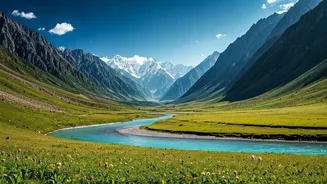
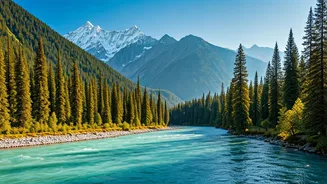
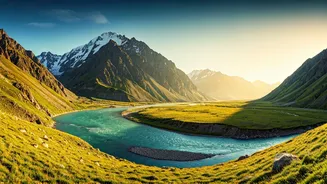
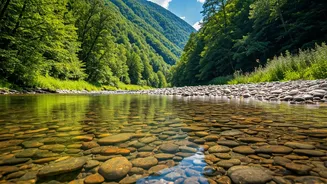
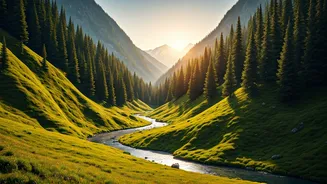
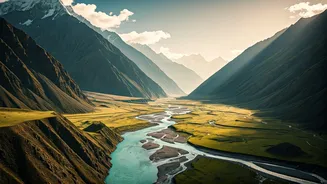
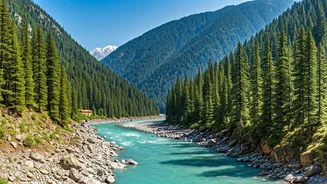
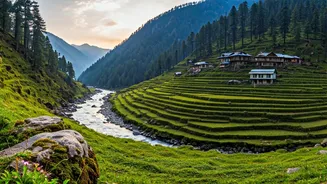
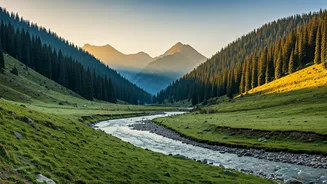
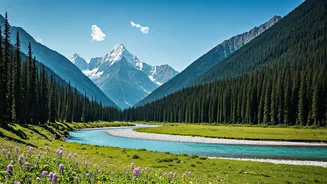
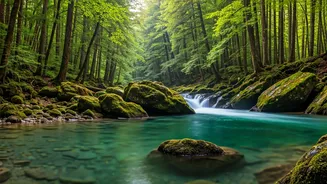
The valley is named for the Tirthan River, a pristine, turquoise ribbon of water that tumbles down from the glacial heights of the national park. Life here is oriented around its banks. The main settlements, like Gushaini and Banjar, are collections of traditional wooden homes and small guesthouses scattered among terraced fields and dense forests of pine and deodar. The constant, soothing sound of the river is the valley's soundtrack. A typical day isn't about ticking off a list of sights. It’s about finding a smooth boulder by the water's edge, walking through sleepy villages where locals offer a warm smile, and breathing in the crisp mountain air. It’s a place that forces you to slow down, disconnect from digital noise, and reconnect with a more elemental rhythm.
Homestays Over Hotels
You won’t find a Marriott or a Hilton here. The soul of Tirthan Valley's hospitality lies in its homestays. These are not just rooms for rent; they are invitations into a local family’s life. Expect cozy rooms, often in traditional wood-and-stone Kath-Kuni architecture, and simple, delicious home-cooked meals made from locally sourced ingredients. An evening might be spent sipping chai with your hosts, learning about their culture and the history of the valley. This model of tourism fosters a direct, meaningful connection between visitors and the community. It ensures that your travel dollars support local families directly and encourages a more sustainable, respectful form of tourism that preserves the very essence of the place you came to experience.
Trails, Trout, and Tranquility
While Tirthan is a haven for doing nothing, it’s also an adventurer’s paradise for those who prefer active relaxation. The valley is a trekker's dream, with countless trails ranging from easy riverside walks to multi-day expeditions into the core zone of the Great Himalayan National Park (which requires permits and a guide). Anglers will find bliss in its famous trout fishing; the valley is an 'angling reserve' where you can try your hand at catching Brown and Rainbow Trout on a catch-and-release basis. But perhaps the most rewarding activity is simply finding a quiet trail, walking through dense forests, and discovering hidden waterfalls and panoramic viewpoints without another soul in sight. It’s an immersion in nature that feels both grand and deeply personal.
Know Before You Go
Getting to Tirthan Valley is part of the adventure. The nearest airport is in Bhuntar (Kullu), about a 1.5 to 2-hour drive away. From there, you’ll need to hire a taxi for the winding mountain roads. The best times to visit are from March to June for pleasant spring weather and from October to November for crisp autumn air and clear skies. The monsoon season (July to September) is best avoided due to the risk of landslides. It's crucial to arrive with the right mindset: this is not a luxury destination. Wi-Fi can be spotty, and amenities are simple. You are trading five-star service for a five-billion-star sky and a level of peace that is increasingly rare in our hyper-connected world.