

1. Fermented Foods: The Original Probiotic
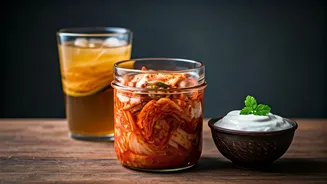
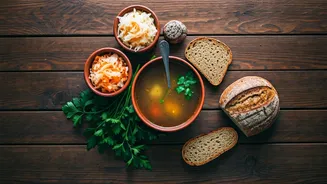
Remember that big crock of sauerkraut in the basement or the jars of pickles lining the shelves? Long before we were buying pricey probiotic yogurts, our grandparents were masters of fermentation. It wasn't for gut health buzz; it was a practical method
of food preservation to get through the winter. Cabbage, cucumbers, and other vegetables were brined and left to ferment, creating tangy, long-lasting staples that were cheap and reliable.
2. Bone Broth: Collagen Before it Was Cool
That pot of soup simmering on the stove for hours wasn't just about flavor. Frugal home cooks knew to use every part of the animal, including bones, knuckles, and trotters. Simmering them for hours extracted every bit of nutrition, creating a rich, savory broth. This was the base for countless soups, stews, and gravies, turning a simple meal into something deeply nourishing and comforting.
3. Oats: The Humble Powerhouse
Long before overnight oats became an Instagram sensation, a simple bowl of hot oatmeal was the breakfast of champions. Rolled oats were cheap, filling, and easy to store. For many families, it was the go-to meal to start the day, providing steady energy for school or manual labor without the sugar crash of modern cereals. It wasn't fancy, but it was fuel.
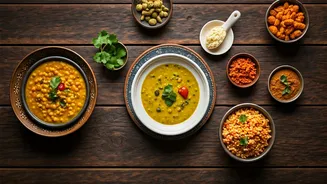
4. Beans and Lentils: Plant-Based Protein Kings
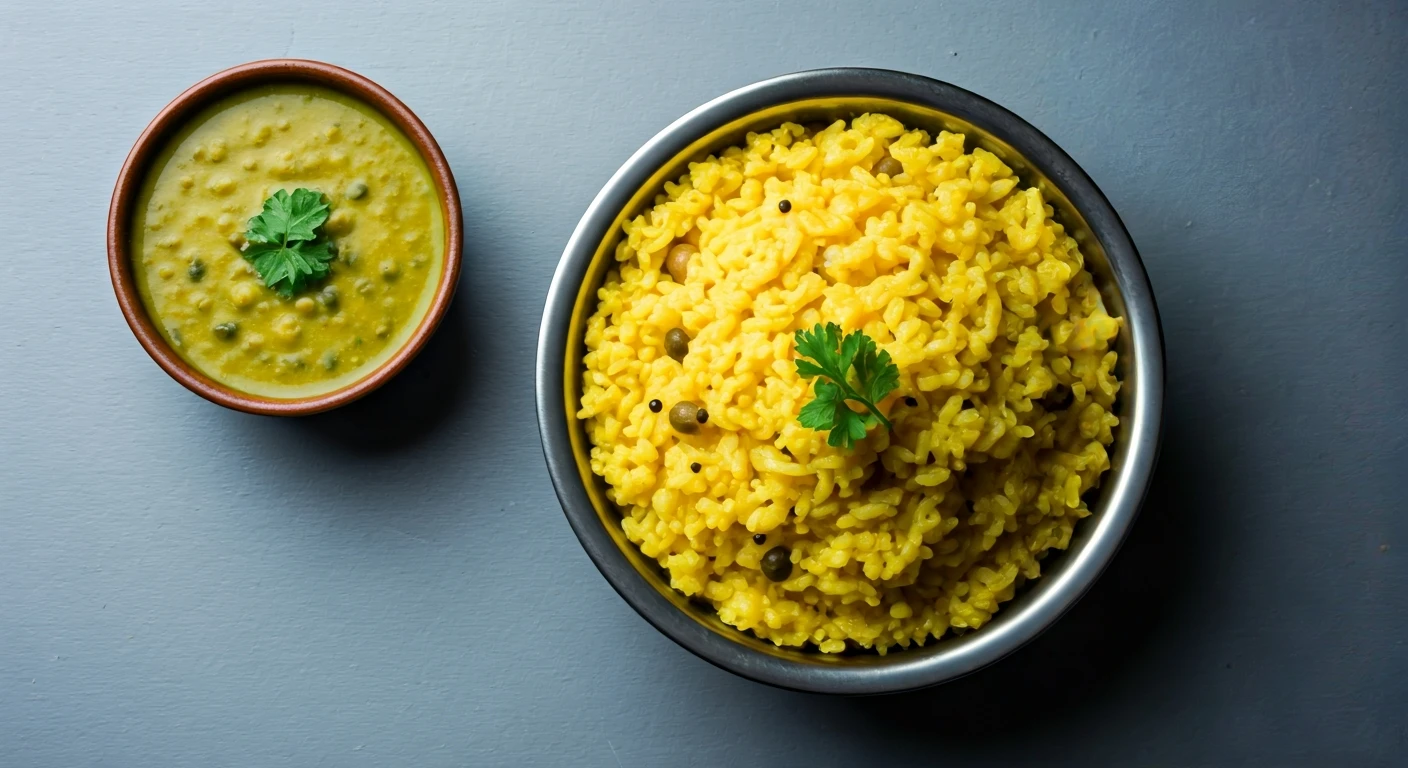
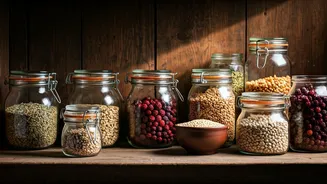
Bags of dried beans and lentils were a non-negotiable pantry staple. In an era when meat could be a once-a-week luxury, these legumes were the backbone of hearty meals. From split pea soup to baked beans and lentil stews, they provided an incredibly affordable source of protein, fiber, and essential minerals. They were the original answer to stretching a food budget while keeping everyone at the table full and satisfied.
5. Organ Meats: The Nutrient-Dense Secret
Okay, maybe not a shelf-stable *pantry* item, but liver and onions was a dinner-table regular for a reason. Organ meats like liver, heart, and kidney are some of the most nutrient-dense foods on the planet. Packed with iron, vitamin B12, vitamin A, and copper, they offered a massive nutritional bang-for-your-buck. While they've fallen out of favor in mainstream American cuisine, our grandparents knew they were too valuable to waste.
6. Lard and Tallow: The Fearless Fats
A can of bacon grease by the stove or a tub of rendered lard in the fridge was standard kitchen equipment. In the mid-20th century, these animal fats were prized for their flavor, high smoke point, and affordability. The later war on saturated fat pushed them aside for vegetable oils and margarine. Now, as nutrition science re-evaluates the role of natural fats in a healthy diet, these traditional options are making a comeback for their stability in cooking and role in vitamin absorption.