




Welcome to the Abode of Clouds
Its name literally translates to "abode of the clouds," and for good reason. Tucked away in the hills of Northeast India, Meghalaya is a place locked in an eternal embrace with the monsoon. This isn't your average spring shower. This is a land that receives
so much rainfall that two of its villages, Mawsynram and Cherrapunji (also known as Sohra), often trade the title of "wettest place on Earth." During peak monsoon season, from June to September, the landscape is drenched in a persistent, life-giving downpour. Clouds roll through the valleys like thick fog, obscuring and then revealing breathtaking vistas. For travelers weary of dry, sun-baked destinations, Meghalaya offers the opposite: a cool, misty, and profoundly lush sanctuary where water is not just a feature, but the main event.
Bridges That Grow, Not Built
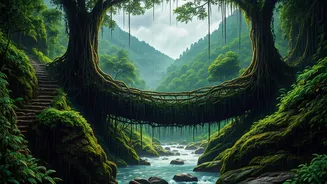
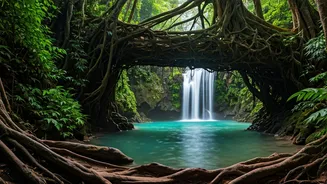
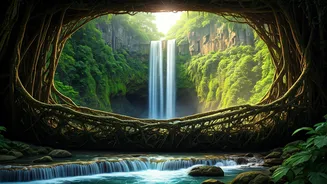
Perhaps nothing captures the symbiotic relationship between humans and nature in Meghalaya quite like its living root bridges. For centuries, the indigenous Khasi and Jaintia peoples have guided the aerial roots of the Ficus elastica (rubber fig) tree across rivers and ravines, weaving them together until they form sturdy, functional bridges. This isn't construction; it's cultivation. A new bridge can take 15 to 30 years to become strong enough to bear weight, and unlike concrete and steel, these structures only get stronger with time as the root systems mature. The most famous of these, the Umshiang Double-Decker Root Bridge in Nongriat village, is a stunning feat of bio-engineering that feels pulled from a fantasy novel. Walking across one is a humbling experience, a reminder that the most elegant solutions are often the ones that work with nature, not against it.
A Symphony of Waterfalls
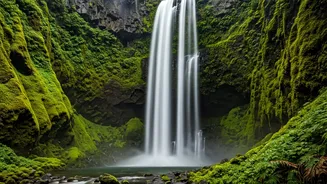
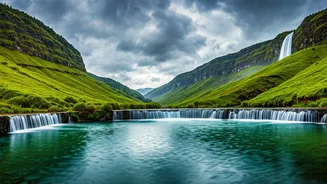
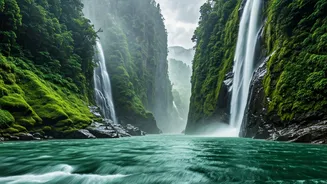
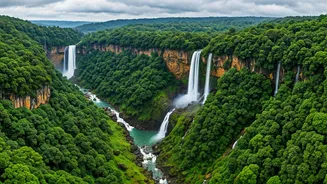
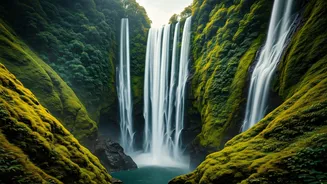
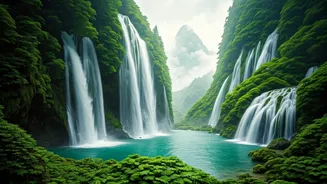
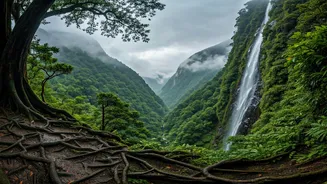
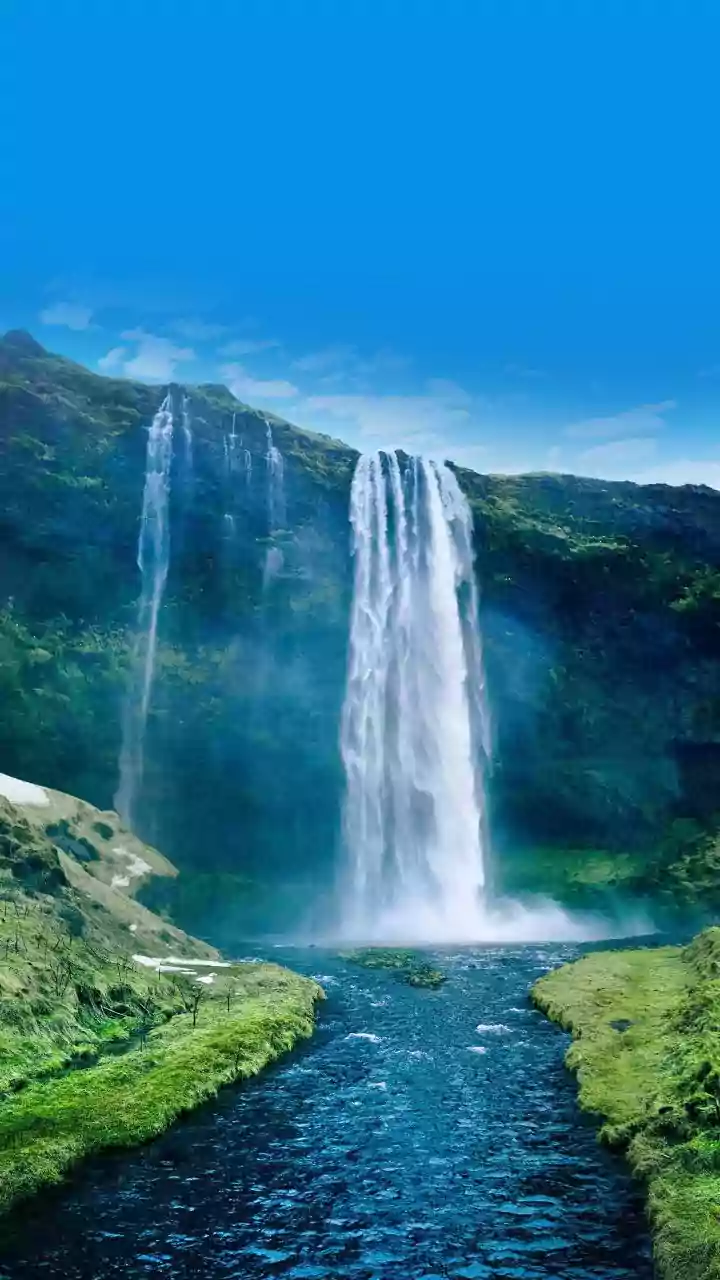
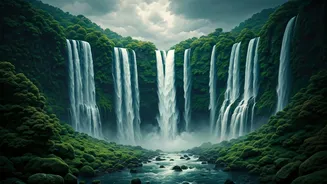
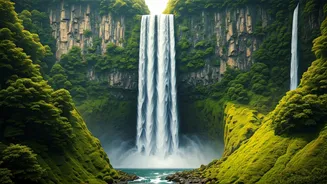
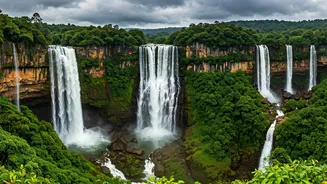
Where there is immense rain, there are immense waterfalls. Meghalaya is home to some of India’s most spectacular cascades, which are at their most dramatic during the monsoon. Nohkalikai Falls, one of the tallest plunge waterfalls in the country, drops over 1,100 feet into a turquoise pool below, its roar echoing through the valley. Nearby, the Seven Sisters Falls (Nohsngithiang Falls) presents a wide curtain of water tumbling down limestone cliffs. But it’s not just the giants that impress. Everywhere you look, smaller streams and rivulets create a network of cascades, feeding crystal-clear rivers that wind through the jungle. Many of these form natural swimming holes with water so clear and vibrantly colored it seems almost artificial. It’s a landscape in constant, powerful motion.
A World Beneath the Hills
The same water that shapes the world above ground has also carved out a hidden realm below. Meghalaya boasts one of the most extensive and intricate cave systems in Asia, with over 1,500 identified so far and many still unexplored. These subterranean wonders range from easily accessible show caves like Mawsmai Cave, with its illuminated stalactites and stalagmites, to deep, challenging networks that attract spelunkers from around the globe. Inside, you find underground rivers, massive chambers, and unique formations created over millennia by the steady drip of rainwater seeping through the porous limestone. Exploring them feels like stepping into another dimension, a quiet, ancient world sculpted entirely by the patient work of water.