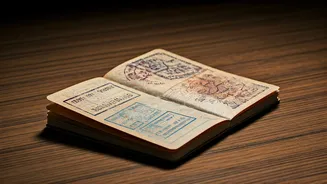







First, The Entry Paperwork
The most surefire way to ruin a trip is to be denied entry. Before you even look at flights, check the official government or embassy website for your destination country. Do you need a visa? Some e-visas can take weeks to process. Is there a new tourist
tax or entry fee? Also, check your passport. Many countries require it to be valid for at least six months *after* your planned departure date. A U.S. passport expiring in five months might get you on a plane out of JFK, but it won't get you past immigration in Thailand. This isn't just about red tape; it's the fundamental key to entry. A quick search for "[Country Name] entry requirements for U.S. citizens" is your best first step.
Next, Health and Safety
The post-pandemic world taught everyone to check for health restrictions, but this goes far beyond COVID-19. The Centers for Disease Control and Prevention (CDC) maintains a travel health notices page for every country, detailing recommended vaccines (like Yellow Fever or Typhoid) and current health risks, from mosquito-borne illnesses to contaminated water advisories. Beyond health, the U.S. Department of State’s travel advisories are essential reading. They provide detailed, up-to-date information on safety concerns, from political unrest and high-crime areas to natural disaster risks. These advisories aren't meant to scare you off, but to help you make informed decisions about where you go and how you conduct yourself.
Then, The On-the-Ground Reality
Imagine arriving in Paris to discover the entire city is shut down for a national holiday, or booking a quiet beach getaway during a massive music festival. A simple check of local calendars can prevent major disappointment. Look up national holidays, major local events, and even seasonal weather patterns for your destination. Is it rainy season? Hurricane season? Beyond logistics, this research helps with cultural fluency. Read up on basic local customs, tipping etiquette, and laws that might differ significantly from the U.S.—such as rules around alcohol consumption or dress codes for religious sites. Knowing these details shows respect and helps you navigate the local culture with confidence rather than confusion.
Don't Forget Getting Around
Your flight and hotel might be booked, but how will you get between them, and how will you explore? Check for planned transit strikes, which are common in some parts of Europe and can paralyze a city. Is the main airport undergoing major construction that could cause delays? A quick news search can reveal this. Furthermore, find out the best way to get around. Is public transit efficient and safe? Are ride-sharing apps like Uber and Lyft available, or is there a popular local equivalent? In some destinations, renting a car is the only practical option, which might require an International Driving Permit—another thing to check before you go.
Finally, Your Own Safety Net
In today's unpredictable travel landscape, booking non-refundable rates is a high-stakes gamble. Before you commit, read the cancellation and change policies for your flights, hotels, and tours. What seemed like a great deal can become a total loss if your plans need to shift. This is also the moment to consider travel insurance. Your credit card might offer some protections, but they are often limited. A comprehensive travel insurance policy can be a lifesaver, covering trip cancellation, medical emergencies, lost luggage, and travel delays. It’s an upfront cost, but it provides peace of mind and financial protection against the unexpected. Evaluate what you’re booking and decide on the level of risk you’re willing to accept.