



Meet Paneer: The Humble Hero
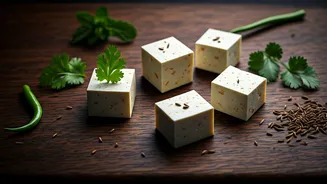
Walk past the familiar blocks of cheddar and Swiss, and you’ll find it: paneer. This fresh, unaged cheese is a cornerstone of South Asian cuisine, particularly in vegetarian dishes where its hearty texture allows it to stand in for meat. Unlike most cheeses,
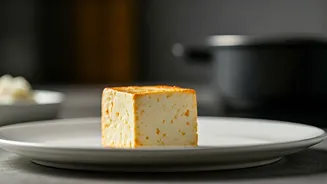
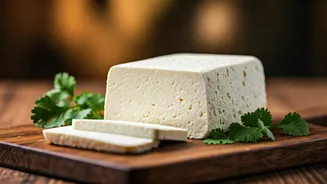
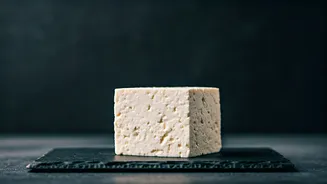
paneer doesn't melt. It’s made by curdling heated milk with a food acid like lemon juice or vinegar, then pressing the resulting curds to remove the whey. The result is a firm, milky-white block that’s both wonderfully simple and incredibly versatile. It’s a cheese that doesn’t need a cracker; it wants to be the main event.
Texture Is Everything
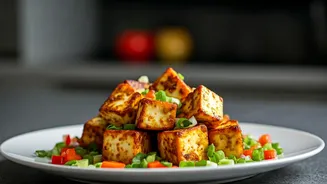
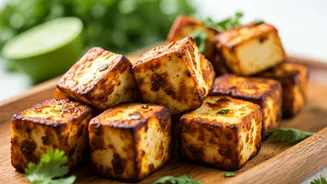
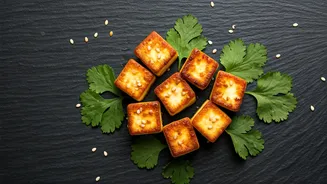
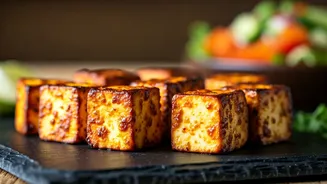
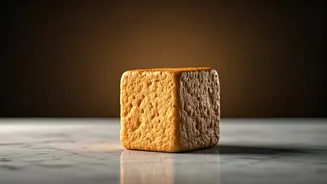
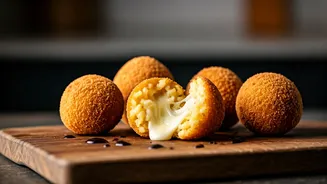
The “premium” feeling paneer imparts comes down to one thing: its extraordinary texture. When you bite into a properly cooked piece of paneer, you get a unique combination of sensations. It’s firm enough to hold its shape under high heat, developing a gorgeous golden-brown crust when pan-seared. Yet, beneath that crust lies a center that is tender, dense, and satisfyingly squeaky. It doesn’t dissolve into a stringy mess like mozzarella or crumble into dust like cotija. This structural integrity is what allows it to be cubed and simmered in rich sauces, skewered and grilled like a kebab, or fried into crispy nuggets. It behaves less like a dairy product and more like a high-end protein, adding a satisfying heft and chew that instantly makes a simple salad or curry feel more substantial and thoughtfully composed.
A Blank Canvas for Flavor
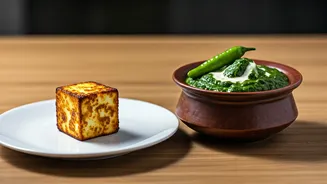
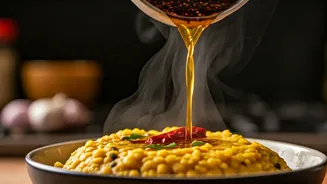
On its own, paneer has a very mild, milky, and slightly sweet flavor. This isn’t a drawback; it’s a superpower. Because it’s not competing with a strong, salty, or funky taste, paneer is a perfect vehicle for the flavors you introduce to it. It’s a culinary sponge, eagerly soaking up marinades, spice rubs, and savory sauces. Toss it with smoky paprika and cumin before searing, and it becomes a vibrant centerpiece for a grain bowl. Let it bathe in a fragrant coconut curry, and each cube becomes a creamy, flavor-packed treasure. This adaptability is its greatest strength. It can slide into a spicy Indian matar paneer (peas and paneer) just as easily as it can be stir-fried with soy and ginger for an Asian-inspired dish or crumbled over a Mexican-style black bean bowl.
The Secret to Keeping it Soft
The headline promises *soft* paneer, and there’s a simple, game-changing trick to ensure you get it every time. Store-bought paneer, especially the vacuum-sealed kind, can sometimes be overly firm or even rubbery. The professional and home-cook secret is a quick soak. Simply cut your paneer into whatever size you need—cubes, slabs, or triangles—and place it in a bowl of warm (not boiling) salted water for 15 to 20 minutes before cooking. This process does two things: it rehydrates the cheese, making it noticeably more tender, and it gently seasons it from the inside out. After its bath, pat the paneer dry with a paper towel, especially if you plan to pan-fry it to get that perfect sear. This one small step makes a world of difference, transforming a potentially tough block into the soft, luxurious ingredient you deserve.
Easy Upgrades for Everyday Meals
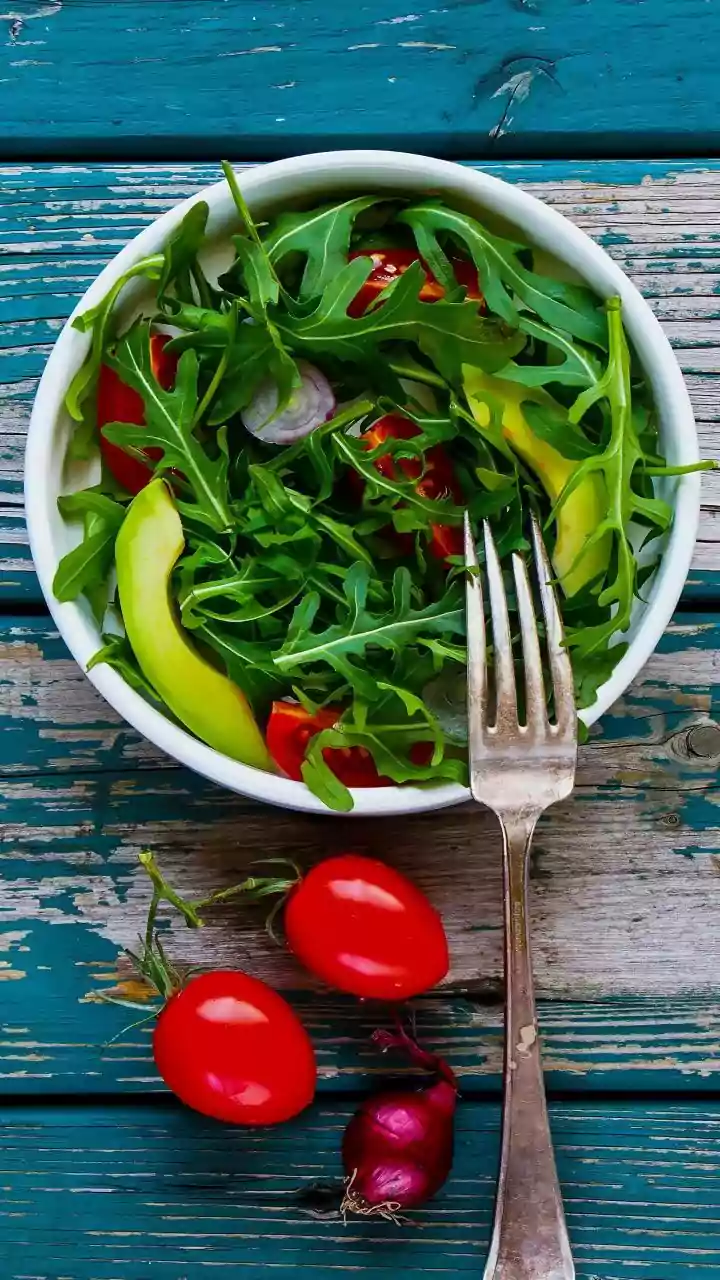
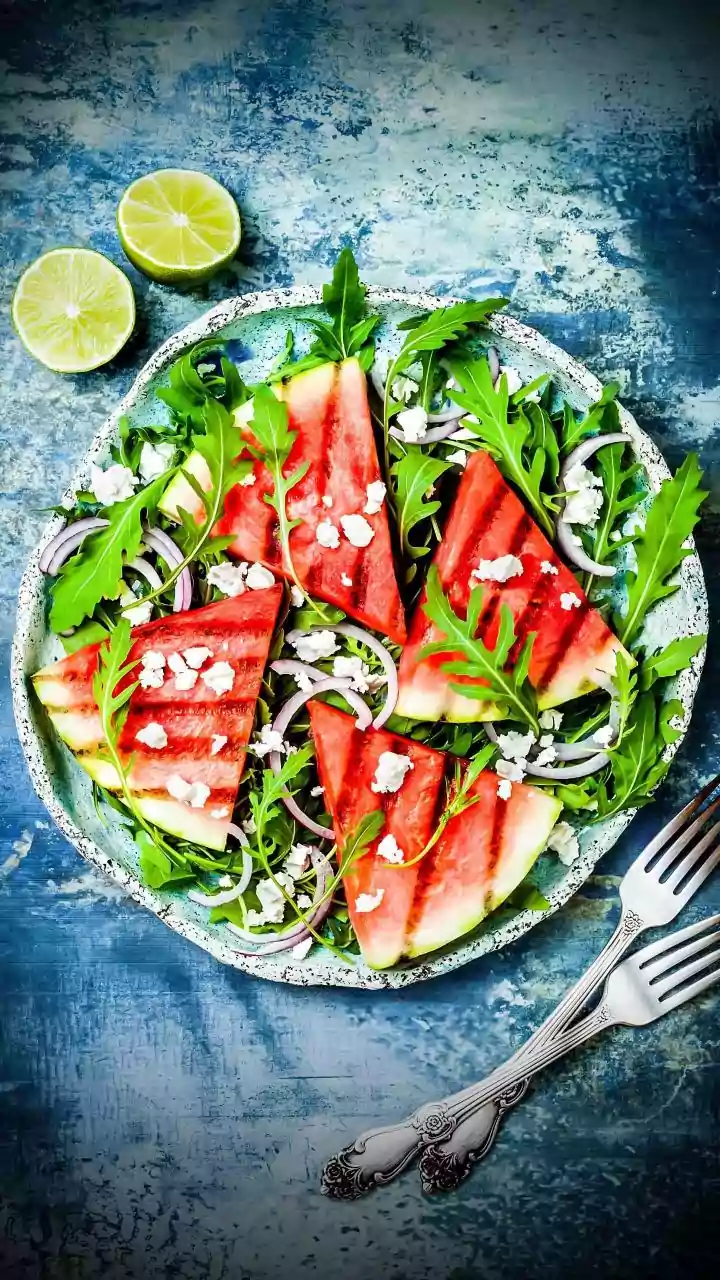
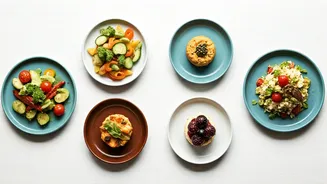
You don't need a complex recipe to enjoy paneer. The easiest way to start is by pan-searing cubes in a little oil or ghee until golden brown on all sides. From there, the possibilities are endless. Toss the warm, crispy cubes into a simple green salad with a lemon vinaigrette for an instant protein boost. Skewer marinated pieces with bell peppers and onions for quick and easy kebabs on the grill or under the broiler. For a truly simple weeknight win, add seared paneer to your favorite jarred pasta or curry sauce during the last few minutes of simmering. It will absorb the flavor of the sauce while adding a delightful textural contrast that makes a pantry meal feel restaurant-worthy.