




The Sticker Shock in the Produce Aisle
The most immediate answer is often the simplest: money. As grocery bills climb, the price of fresh, organic produce has become a significant line item for many family budgets. A $6 carton of organic strawberries or a $4 head of lettuce starts to feel
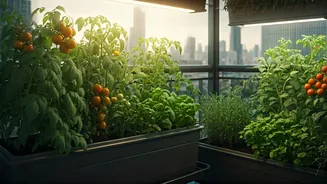
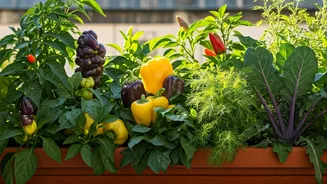
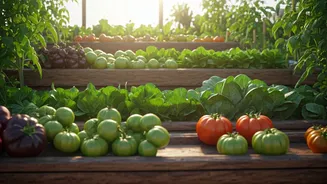
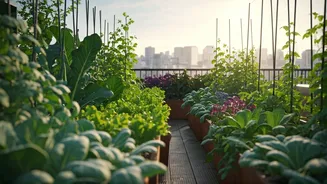
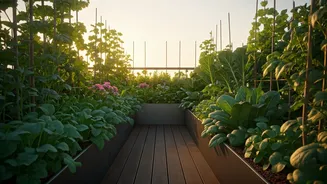
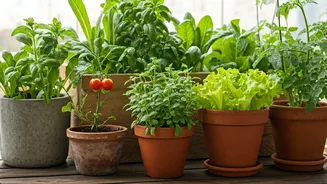
less like a purchase and more like a small investment. For urban families, transforming a sliver of outdoor space—be it a concrete terrace, a small balcony, or even a sunny windowsill—into a productive micro-farm is no longer just a quaint hobby. It’s a practical, cost-saving strategy. A few well-tended tomato plants can yield pounds of fruit over a season, saving hundreds of dollars. The initial investment in soil, containers, and seeds pays for itself quickly, making these workshops feel less like a leisure expense and more like a lesson in household economics.
A Hunger for Food Transparency
Beyond the financial calculus, there's a growing desire for control and transparency. Headlines about pesticide residues, supply chain disruptions, and food recalls have left many parents feeling uneasy about what they're feeding their children. The organic label helps, but nothing beats the certainty of harvesting a tomato you grew yourself. For urban families, who are often the most disconnected from the sources of their food, gardening offers a powerful antidote. It demystifies the process, closing the gap between farm and table to mere feet. Knowing exactly what went into the soil (and what didn't) provides a peace of mind that can't be bought at any supermarket. This isn't just about avoiding chemicals; it’s about reclaiming a fundamental connection to what we eat.
The Balcony as a Classroom
For parents navigating a world of screen-time limits and structured playdates, gardening presents a compelling alternative. It's an immersive, hands-on science lesson that unfolds in real time. Children learn about biology, ecology, and meteorology not from a textbook, but by watching a seed sprout, observing pollinators at work, and understanding why a plant needs sun and water. The lessons extend beyond science. Tending to a plant from seed to harvest teaches patience, responsibility, and the satisfaction of nurturing something to life. In a culture of instant gratification, the slow, deliberate pace of gardening is a valuable lesson in itself. These workshops, therefore, aren't just for the parents; they're equipping families with a shared project that is both educational and deeply rewarding for all ages.
From Concrete Jungle to Community Garden
The post-pandemic era has left many people craving genuine, in-person connection. For urban parents, who often juggle demanding careers and the beautiful chaos of family life, finding a 'third place' can be difficult. Gardening workshops are increasingly filling that void. They are becoming hubs where like-minded families can connect over a shared interest. Swapping tips on pest control, celebrating a first successful harvest, or commiserating over a failed zucchini plant builds easy camaraderie. This sense of community often extends beyond the workshop, with neighbors starting informal plant swaps or sharing produce. In cities that can sometimes feel anonymous and isolating, these green spaces—no matter how small—are fostering new roots of community and belonging.