


The Wisdom of 'Monsoon Meals'
In parts of South Asia, the monsoon season, or *Varsha Ritu*, isn't just about rain—it's a time for a specific dietary shift. According to Ayurvedic tradition, the damp, humid climate can weaken the digestive system (known as *agni*, or digestive fire)
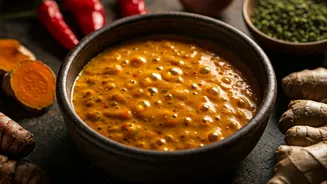
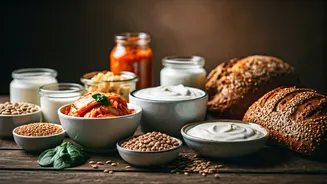
and make the body more susceptible to illness. The solution? Eating light, easily digestible foods that also bolster immunity. This isn't just folklore; it's a centuries-old system of preventative health centered on gut wellness. The diet traditionally shifts away from heavy, oily foods toward warm, cooked meals, herbal teas, and, most importantly, a host of naturally fermented foods packed with beneficial bacteria.
Probiotics: Your Gut's Best Friend
This ancient practice dovetails perfectly with what modern science now tells us about the gut microbiome. Our digestive tracts are home to trillions of microorganisms that play a critical role in everything from digestion to immune function and even mood. Probiotics are the 'good' bacteria that help maintain a healthy balance in this internal ecosystem. When you're feeling sluggish or your system is under stress—whether from humidity, as tradition suggests, or just modern life—boosting your probiotic intake can be a game-changer. These live microorganisms help strengthen the gut barrier, support immune cells, and aid in the digestion of nutrients. So, the 'smarter' monsoon meal is essentially a gut-friendly meal, a concept we can all benefit from, rain or shine.
Yogurt & Lassi: The Probiotic Powerhouse
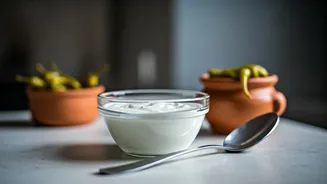
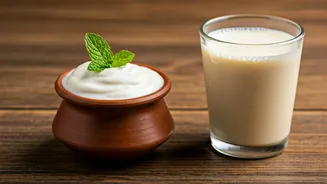
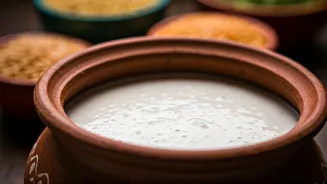
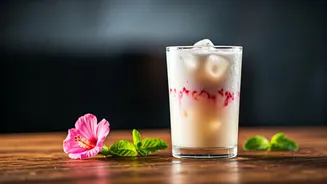
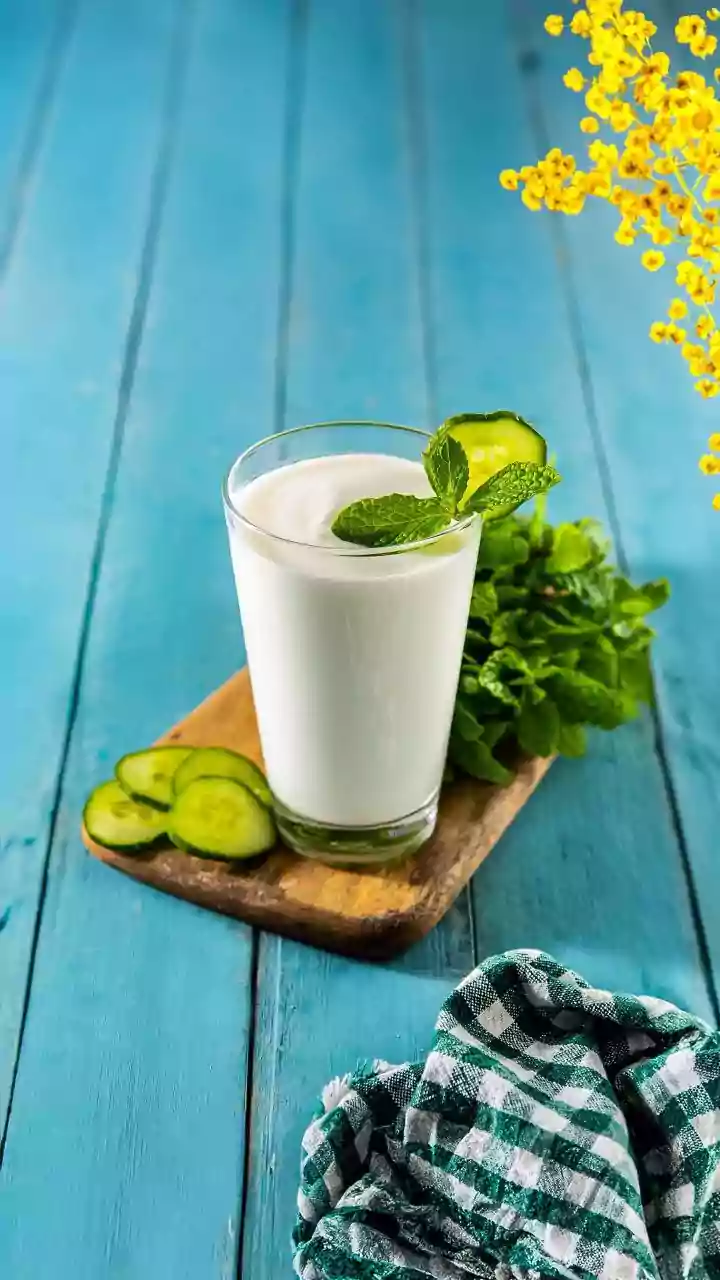
The most accessible and well-known probiotic food is yogurt. In India, homemade yogurt, or *dahi*, is a daily staple. It's often eaten plain with a meal to aid digestion or blended into a refreshing drink called *lassi*. Unlike many sweetened commercial yogurts in the U.S., traditional dahi is valued for its tangy, live cultures. To get the most benefit, look for plain, unsweetened yogurts with 'live and active cultures' listed on the label. Incorporating a dollop of plain yogurt with your lunch or blending up a simple lassi with fruit and a dash of cardamom is an easy way to adopt this principle.
Idli & Dosa: Fermented Comfort Food
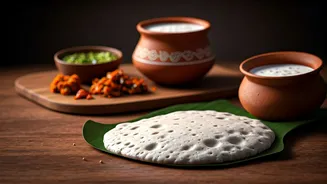
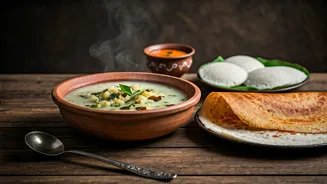
Ever had those spongy, savory rice cakes (*idli*) or crispy, thin crepes (*dosa*) at an Indian restaurant? You were eating probiotics. Both are made from a batter of fermented rice and lentils. The fermentation process does more than just create their signature light texture and tangy flavor; it breaks down the starches and proteins, making them easier to digest. It also increases the bioavailability of nutrients like B vitamins and introduces beneficial bacteria. While making the batter from scratch is a rewarding weekend project, many Indian grocery stores sell pre-made batter that lets you enjoy these gut-healthy meals on a busy weeknight.
Achar: The Tangy Pickled Boost
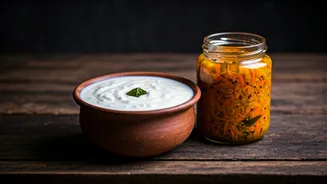
Forget the vinegar-doused pickles you find on a burger. Traditional Indian pickles, or *achar*, are often made by fermenting vegetables and fruits like mango, lemon, or chili in salt and spices. This lacto-fermentation process cultivates probiotics, unlike the pasteurization process used for most shelf-stable pickles in the U.S., which kills them. A small spoonful of authentic achar adds a burst of complex flavor to a meal and a dose of good bacteria. When shopping, look for pickles from the refrigerated section that are labeled as 'naturally fermented' or 'unpasteurized' to ensure the cultures are still alive.
Kanji: The Fermented Veggie Drink
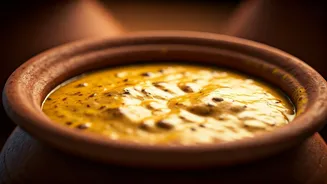
For a deeper dive into this culinary pharmacy, there's *kanji*. This is a traditional fermented drink, most famously made with black carrots, but also with beets. The vegetables are submerged in water with salt and spices like mustard seeds and left to ferment for several days. The result is a tart, savory, and brightly colored beverage teeming with probiotics. It's a classic example of using fermentation to create a health tonic that's enjoyed as an appetizer to kickstart digestion. It's the Indian equivalent of kombucha or kvass—a testament to the universal wisdom of fermented drinks.