



The Great Vacation Inversion
The traditional travel script is simple: book a trip, cross your fingers for good weather. A forecast of rain is seen as a threat, a potential ruin. We’ve built an entire industry around a narrow definition of a ‘perfect’ getaway, one painted in blues
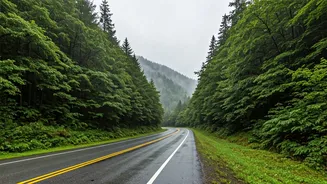
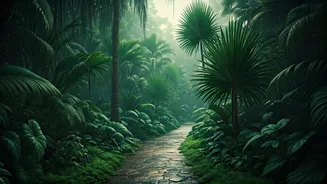
and golds. But a growing movement of travelers is discovering the profound beauty of flipping that script. Welcome to the era of rain-fed travel, where the ‘off-season’ is the main event and a downpour isn’t a problem—it’s the whole point. This isn't about deliberately seeking out miserable, trip-canceling weather. It’s about timing your visit to a destination's 'green season,' 'monsoon season,' or 'emerald season.' It’s about witnessing a landscape at its most dynamic, a world transformed by water. It’s the Sonoran Desert in Arizona bursting into a carpet of flowers after a summer storm, or the mountains of Costa Rica turning an impossible shade of electric green. This is travel for the senses, not just the selfie.
An Awakening of the Senses
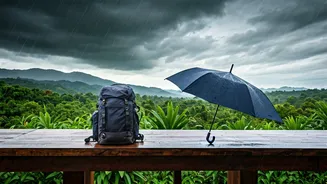
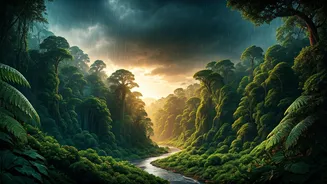
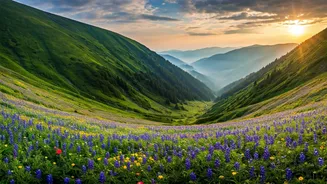
Sun-drenched landscapes can be stunning, but they are often static. A rainy season, however, is a full-body experience. It starts with the smell—that intoxicating, earthy scent of petrichor as the first drops hit dry soil. It’s a fragrance so potent it can feel like the land itself is breathing a sigh of relief. Then comes the sound: the rhythmic drumming on a tin roof, the rush of a once-dry creek bed coming back to life, the chorus of frogs in a newly filled pond. Visually, the transformation is breathtaking. The world’s color saturation gets turned up to eleven. Dust is washed away, revealing the deep, rich tones of rock and bark. Greens become lusher, more varied, and almost impossibly vibrant. The sky becomes a dramatic canvas of bruised purples, deep grays, and blazing, post-storm sunsets that make the standard-issue blue sky seem almost boring by comparison. You’re not just looking at a pretty picture; you’re inside a living, breathing ecosystem in the middle of its most important act.
Case Study: The Desert Bloom
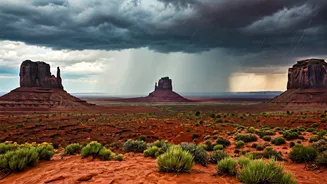
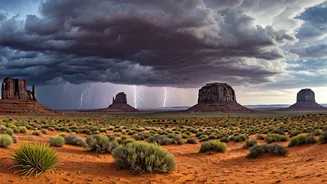
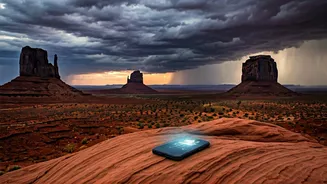
Nowhere is this transformation more startling than in the American Southwest. For most of the year, places like Arizona and New Mexico are studies in ochre, rust, and beige. But from July to September, the North American Monsoon arrives. These are not gentle drizzles; they are powerful, afternoon thunderstorms that roll in with theatrical fury and depart just as quickly. The effect is magical. The parched desert floor erupts in what locals call the ‘second spring.’ Cacti bloom, wildflowers blanket entire hillsides, and the air fills with the clean, sharp scent of rain-soaked creosote bushes. The iconic saguaros, having held their breath through the heat, swell with water. It’s a fleeting, precious window where the desert reveals a secret, softer side. Experiencing this seasonal pulse is to understand the region on a much deeper level than simply seeing it under the relentless glare of the summer sun.
The Practical Perks of a Downpour
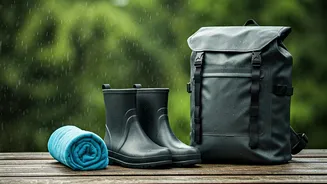
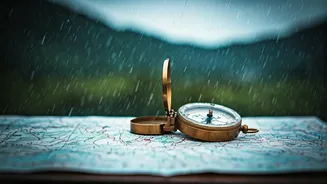
Beyond the sheer beauty, rain-fed travel has some very tangible benefits. You are, by definition, traveling in the ‘off-season’ or ‘shoulder season.’ This often means significantly lower prices on flights and accommodations. More importantly, it means fewer people. You’re not fighting for space at a scenic overlook or waiting in long lines. You get a more intimate, authentic experience of a place. Of course, it requires a slight shift in mindset and packing. Forget the flimsy travel umbrella; invest in a good waterproof jacket. Embrace waterproof footwear. Build flexibility into your itinerary. A morning hike might get rained out, creating the perfect excuse to settle into a cozy local cafe with a book and watch the storm roll through. The goal isn’t to conquer a checklist of sights, but to be present for whatever the day brings. Often, the rain provides a forced pause, a moment of quiet contemplation that hurried, sun-chasing trips rarely allow for.