

First, What Is the Monsoon?
When Americans hear “monsoon,” they might picture the torrential downpours of South Asia. The North American Monsoon is a different beast, but no less powerful. It’s a seasonal shift in wind patterns that typically occurs from mid-June through September,
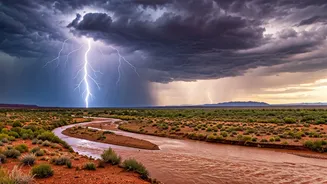
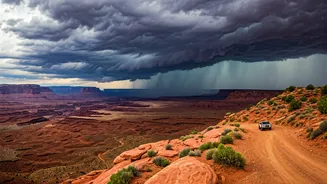
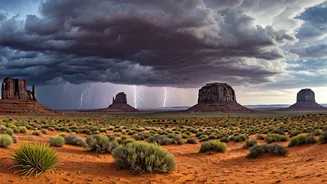
pulling moist, tropical air from the Pacific Ocean and Gulf of Mexico into the arid landscapes of Arizona, New Mexico, Utah, Colorado, and parts of California and Nevada. This influx of moisture doesn't mean constant rain. Instead, it creates a pattern of hot, clear mornings followed by the dramatic afternoon buildup of towering thunderheads. These storms can be incredibly localized, dumping a huge amount of rain in one small area while the next valley over remains bone dry. They bring with them spectacular lightning shows, a welcome drop in scorching summer temperatures, and the signature scent of creosote bush on wet desert soil. But they also bring significant, fast-developing dangers.
Decoding the Alerts: Watch vs. Warning
This is the single most important distinction for any traveler. Misunderstanding the difference between a “watch” and a “warning” can have serious consequences. **Flash Flood Watch:** Think of this as a “be prepared” signal. A watch means that conditions are favorable for flash flooding. The ingredients are there: the air is saturated, storms are forecast, and the ground is either rocky or already soaked. During a watch, you should review your plans. Is your hike through a narrow slot canyon? Is your campsite in a low-lying area near a dry wash? This is the time to have a backup plan and stay tuned to weather updates. You don’t need to panic, but you absolutely need to pay attention. **Flash Flood Warning:** This is the “take action now” alert. A warning means that a flash flood is either imminent or already happening, detected by radar or reported by a spotter. This isn’t a theoretical threat; it's a live one. If you are in a warning area, you need to act immediately. Get to higher ground. Do not attempt to walk, swim, or drive through floodwaters. A mere six inches of moving water can knock you off your feet, and a foot can sweep a vehicle away. This is the alert that saves lives—but only if you heed it.
How the Monsoon Can 'Break' a Holiday
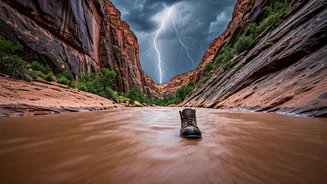
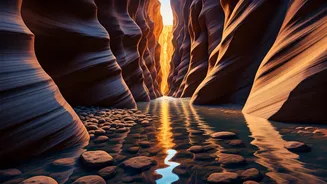
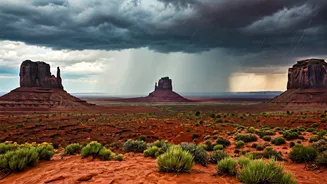
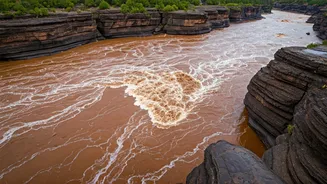
The primary danger of the monsoon is flash flooding. The hard, sun-baked desert soil doesn’t absorb water well, so rain runs off into low-lying areas, creating powerful, fast-moving floods in places that were dry just minutes before. These are especially dangerous in two scenarios beloved by tourists: slot canyons and desert roads. Narrow slot canyons, like those in Zion National Park or near Page, Arizona, can become deadly traps. A storm happening miles upstream can send a wall of water, debris, and mud rushing through the canyon with no warning and no escape. This is why rangers close such areas when there is even a remote risk. Similarly, roads crossing “dry washes” or arroyos can become impassable rivers in an instant. Every year, tourists and locals alike need to be rescued after attempting to drive through what looked like a shallow puddle. The mantra in the Southwest is simple and non-negotiable: Turn Around, Don’t Drown.
How the Monsoon Can 'Make' a Holiday
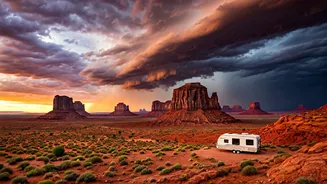
Despite the dangers, the monsoon season is considered by many locals to be the most beautiful time of year. If a trip is “broken,” it’s usually due to a lack of planning, not the weather itself. For a prepared traveler, the season is magical. The storms create some of the most stunning photographic opportunities imaginable. Sunsets after a storm can set the entire sky ablaze in shades of pink, purple, and orange. The clouds themselves provide a dramatic, ever-changing backdrop to the iconic red rock formations. Lightning forks across the horizon, offering a primal display of nature’s power (best viewed from a safe, indoor location). Furthermore, the rain brings life. The desert turns a little greener, wildflowers can pop up unexpectedly, and the oppressive 110-degree heat of early summer often breaks to a more manageable 90 degrees after a shower. By respecting the weather, you can still hike, explore, and enjoy your trip—you just have to do it smartly.
Planning Your Monsoon Season Trip
A successful trip during monsoon season isn't about avoiding the weather; it's about working with it. Plan your main activities, like hiking, for the morning when conditions are typically clear and calm. Use the afternoons, when storms are more likely, for indoor activities like visiting museums, browsing local shops, or simply relaxing and watching the sky from a covered patio. Always check the forecast before you head out—not just for your immediate location, but for the entire surrounding watershed. Talk to park rangers and local guides; their knowledge is invaluable. Always have a full tank of gas and extra water and snacks in your car in case a washed-out road forces a long detour. And most importantly, if you get an alert, respect it. Having a flexible itinerary is the key that unlocks a safe and unforgettable desert adventure.