






The Anatomy of a Cosy View
For generations, luxury travel was synonymous with escaping bad weather. We chased the sun, trading our overcast realities for cerulean skies and turquoise waters. But a quiet, powerful counter-trend is emerging, one that doesn't just tolerate dramatic
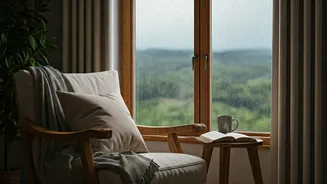
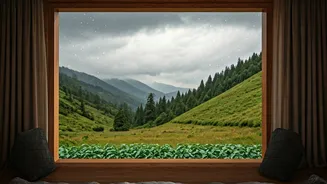
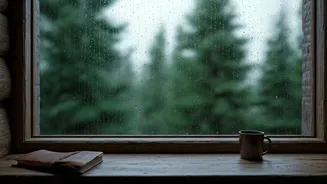
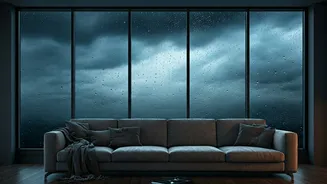
weather but actively courts it. The "cosy view" is the centerpiece of this new philosophy. It’s more than just a room with a nice outlook; it’s an intentionally curated experience designed around the pleasure of watching a storm from a position of absolute comfort and security. Think of it as an architectural embrace. Key elements include vast, panoramic windows that dissolve the barrier between indoors and outdoors, plush armchairs or daybeds strategically aimed at the view, and the creature comforts that complete the scene: a crackling fireplace, a steaming mug of tea or a glass of red wine, and the ambient sound of rain, wind, and distant thunder.
The Rise of the Pluviophile
This trend speaks directly to the 'pluviophile'—a person who loves the rain and finds joy and peace on overcast days. Once a niche personality trait, this sensibility is going mainstream. In a hyper-connected, over-stimulated world, the appeal of slowing down is immense. The forced introspection of a rainy day is no longer something to be avoided but an opportunity to be savored. This shift is part of a broader movement in travel and wellness away from packed itineraries and towards mindful presence. Instead of trying to 'do' everything, travelers are seeking to 'be' somewhere, fully immersed. A monsoon storm, with its cleansing, theatrical, and all-encompassing nature, offers an unparalleled sensory experience. It demands nothing but your attention, making it the perfect antidote to the endless scroll and the pressure to be constantly productive. It's a forced meditation, delivered by Mother Nature.
From Off-Season to Peak Experience
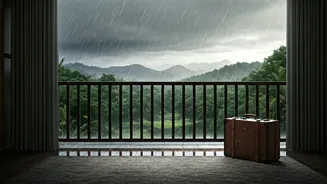
Hospitality innovators are taking notice. Resorts in monsoon-heavy regions like Kerala, India, or coastal Thailand, which once saw the rainy season as a commercial dead zone, are now rebranding it as a premium, exclusive offering. They are marketing 'monsoon packages' that highlight the very things they used to downplay. Architects are designing hotels and rental properties specifically for storm-watching, with features like cantilevered living rooms that jut out into the landscape or bedrooms where the bed faces a wall of glass. Even in the U.S., properties in the Pacific Northwest and the wilder coasts of New England are leaning into the appeal of their moody, atmospheric seasons. This savvy reframing turns a liability into an asset, extending the tourist season and attracting a different kind of guest—one who is less interested in a tan and more interested in tranquility and a powerful connection to the natural world.
The Primal Comfort of Shelter
The appeal of the cosy view runs deep, tapping into a primal psychological comfort. There’s a profound sense of well-being that comes from being sheltered and safe while observing a display of nature’s raw power. It’s the modern-day equivalent of being warm by the cave fire while a blizzard rages outside. This feeling has been given many names across cultures, from the Danish concept of 'hygge' (a quality of coziness and comfortable conviviality) to the Scottish Gaelic 'coorie' (to snuggle or nestle). Watching a storm from a secure perch reminds us of our vulnerability but also of our ability to create safety and comfort. It's a simple, powerful contrast that makes us feel protected and at peace. This experience isn't about conquering nature, but about respectfully observing it from a place of quiet gratitude.