


Defining the New Domestic Dream
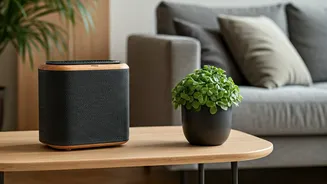
Forget the cold, sterile minimalism that once dominated design magazines. 'Smart comfort' is the new north star for urban living, and it represents a significant shift in what we want from our homes. It isn't just about having a voice-activated speaker
or a Wi-Fi-enabled coffee maker. Instead, it’s the thoughtful integration of technology to enhance a genuine sense of peace, ease, and sanctuary. The 'smart' part isn’t the star of the show; it’s the quiet, behind-the-scenes stagehand that makes the 'comfort' possible. It’s technology that anticipates your needs rather than waiting for your commands—a home that works for you, not the other way around. This new philosophy prioritizes creating an environment that feels restorative and supportive, a direct response to the increasing demands of modern city life.
The Rise of the 'Comfort-First' Mindset
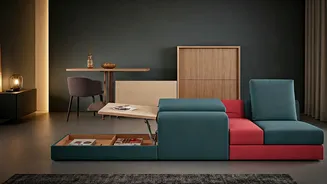
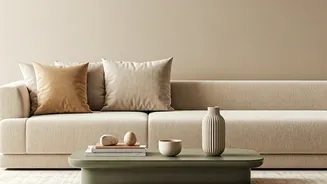
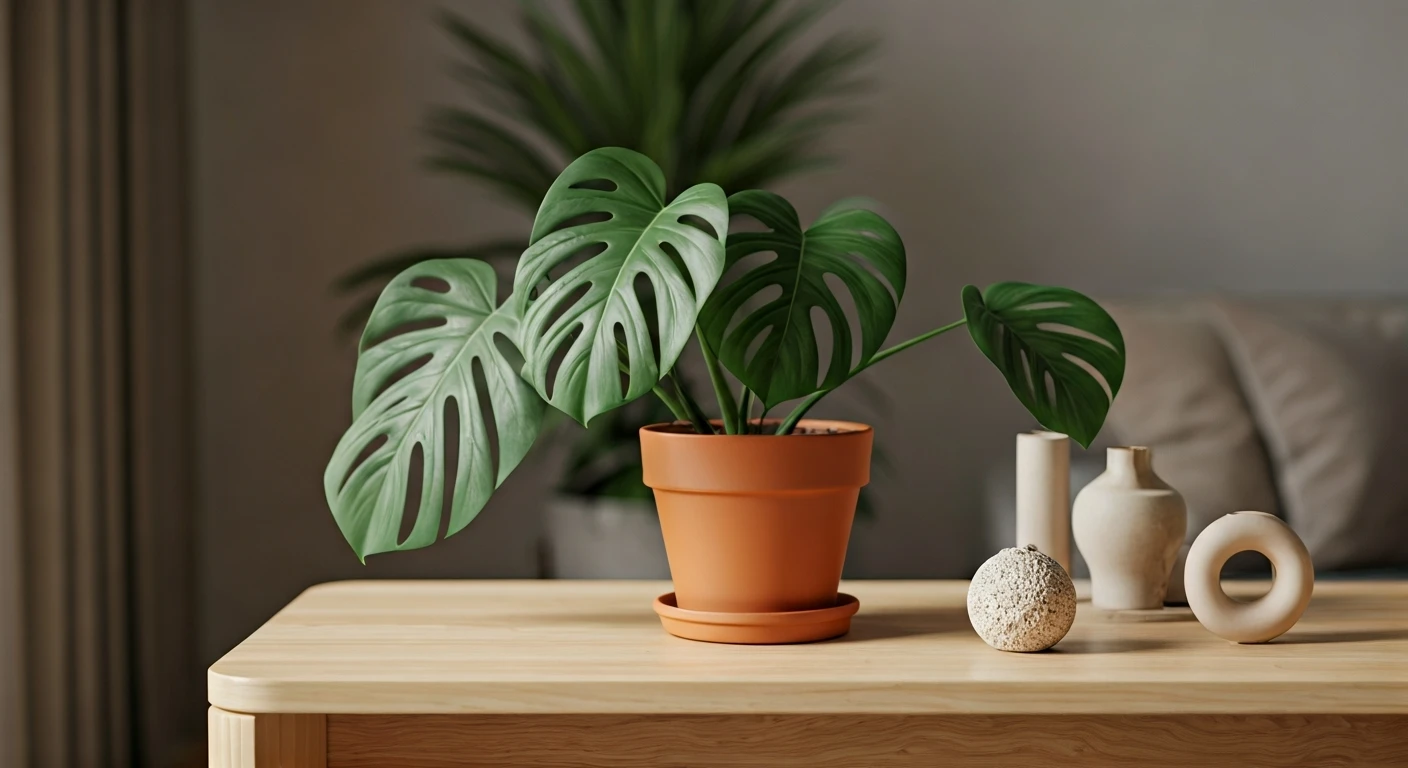
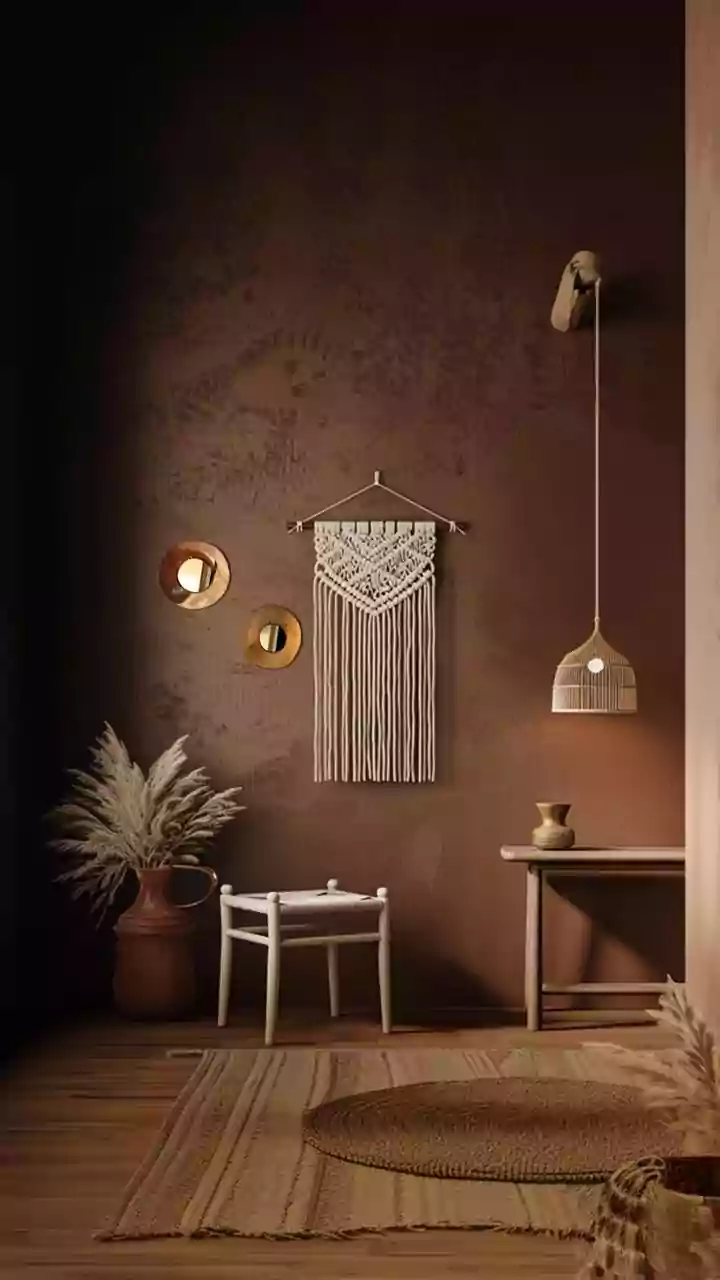
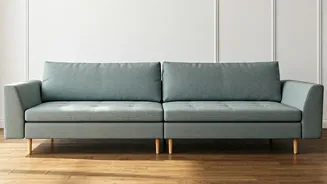
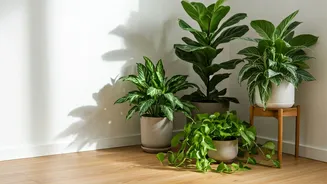
This trend is fueled by a collective craving for a true haven. After the pandemic reshaped our relationship with our living spaces—turning them into offices, gyms, and social hubs overnight—the importance of a comfortable home has skyrocketed. We've moved past the idea of the home as a mere crash pad and are now actively curating it as a multi-functional sanctuary. This has led to a design renaissance centered on what’s often called 'cozy-core.' Think soft, touchable textures like bouclé and velvet, warm and earthy color palettes, curved furniture that feels like a hug, and an abundance of natural light. It’s an aesthetic that values emotional well-being over stark visual statements. This isn’t about clutter, but about curated, personal objects and an atmosphere that calms the nervous system the moment you walk through the door.
Where Smart Technology Meets Serenity
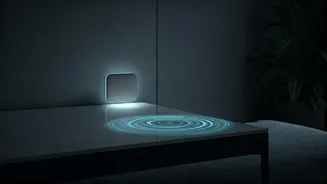
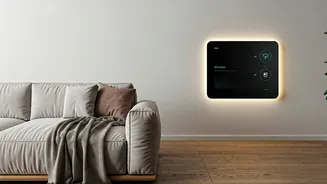
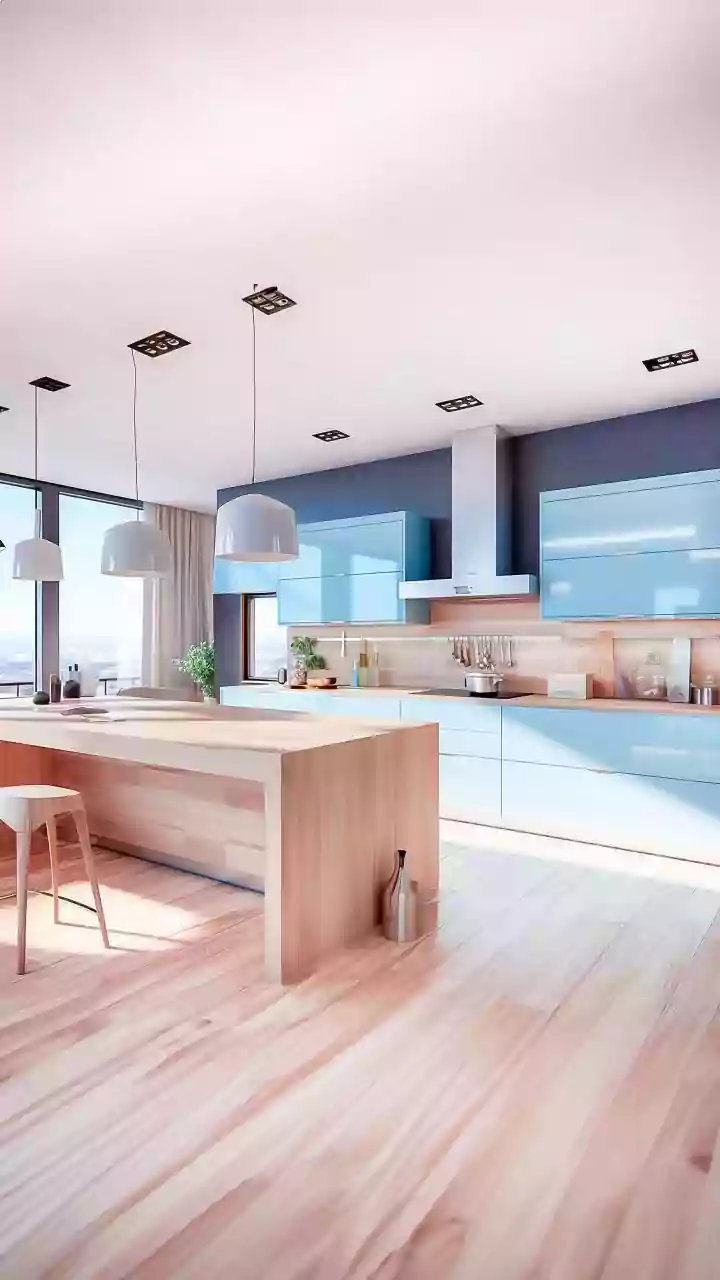
The magic of smart comfort happens where this cozy aesthetic meets invisible technology. The goal is for the tech to feel seamless and natural, not like a collection of disparate gadgets. Imagine waking up not to a jarring alarm, but to smart blinds slowly opening to let in the morning sun, with lighting that gradually brightens to mimic a natural dawn. Picture an air purifier that silently monitors and cleans your air, adjusting its speed based on real-time pollutants, or a climate control system that learns your preferences and maintains the perfect temperature without you ever touching a dial. This is technology in service of serenity. Other examples include sound systems that can play calming ambient soundscapes to mask city noise, or programmable lighting that shifts to warmer, dimmer tones in the evening to help your body prepare for sleep. The technology disappears into the background, its only evidence being the profound sense of ease it creates.
More Than a Trend, It’s a Lifestyle
Ultimately, the move toward smart comfort is about more than just interior design or the latest gadgets. It’s a reflection of a broader cultural shift toward prioritizing mental and emotional health. As the lines between work and life continue to blur, people are recognizing the profound impact their physical environment has on their overall well-being. Investing in a home that actively supports rest and rejuvenation is no longer seen as an indulgence, but as a necessity. It’s a quiet rejection of 'hustle culture' in favor of a more balanced, intentional way of living. The home is becoming our primary tool for self-care, a space intentionally engineered for peace in a chaotic world.