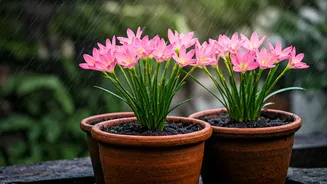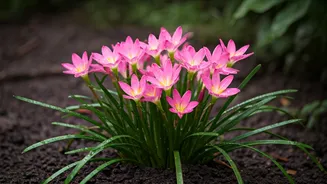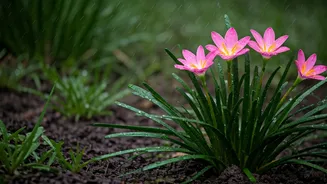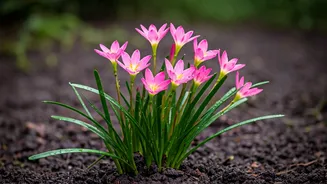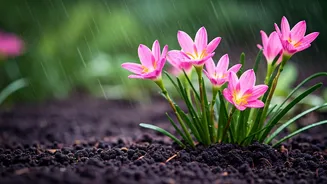




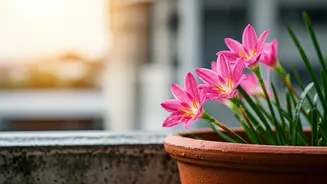


The Overnight Surprise
They go by many names—fairy lilies, zephyr lilies, storm lilies—but their effect is always the same: pure delight. In yards across the Southwest and Southeast, these small but mighty flowers are masters of timing. After weeks or even months of summer
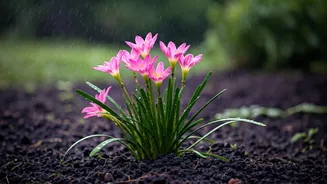
heat and dry spells, the first substantial rains of the season arrive, often in a dramatic monsoon downpour. And just as reliably, within a day or two, the rain lilies emerge. It’s a sudden botanical party, a floral reward for enduring the long, dry wait. For those new to the phenomenon, it can feel like a genuine garden miracle. Where did they come from? How did they know?
What Are Rain Lilies?
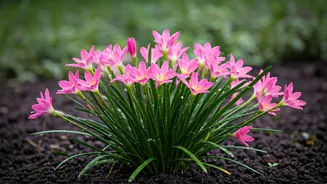
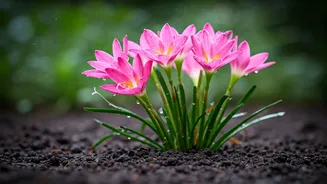
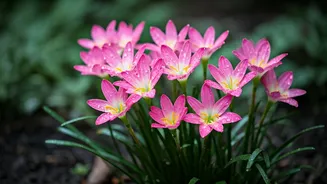
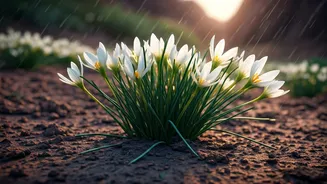
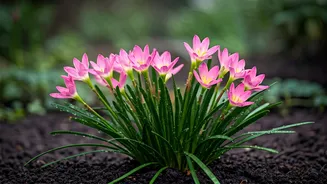
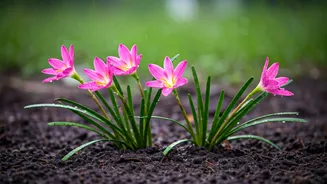
Despite their name, rain lilies aren't true lilies. They belong to the genus *Zephyranthes* and are part of the amaryllis family. Native to the warmer parts of the Americas, they are well-adapted to climates with distinct wet and dry seasons. The bulbs are small and unassuming, spending most of the year dormant underground, patiently conserving energy. This is their genius: they don’t waste resources trying to stay green and lush during a drought. Instead, they lie in wait for the perfect signal to burst into action. The flowers themselves are typically white, pink, or yellow, with delicate, crocus-like petals that open wide on slender stems, usually standing less than a foot tall. They are a perfect example of nature’s efficiency and resilience.
The Science of the Bloom
The “magic” behind their sudden appearance is a fascinating bit of biology. Rain lily bulbs are programmed to respond to specific environmental triggers. The primary cue is a deep, soaking rain after a prolonged dry period. This saturation of the soil signals to the bulb that conditions are now favorable for a short, intense burst of growth, flowering, and setting seed. Some botanists also theorize that the drop in barometric pressure associated with an approaching storm system may contribute to the signal, priming the bulbs for the coming rain. Once triggered, the flower stalks grow with incredible speed, often pushing through the soil and blooming within 24 to 48 hours. This rapid life cycle is a survival strategy, ensuring the flowers appear when pollinators are active after the rain and can set seed before the next dry spell begins.
More Than Just a Flower
In a modern garden landscape, rain lilies offer more than just a surprise bloom. They are exceptionally low-maintenance and perfect for xeriscaping or naturalized areas where you want visual interest without constant irrigation. They thrive on neglect. Once established, they can be left alone to do their thing, popping up after rains to dot a lawn, fill a border, or accent a rock garden. Because they bloom in succession after different rain events, they can provide waves of color throughout the summer monsoon season. Each bloom is fleeting, often lasting only a few days, which adds to their precious, ephemeral quality. They teach a gardener the virtue of patience and the joy of appreciating a beautiful, transient moment.
How to Grow Your Own Surprise
Want to add this touch of magic to your own yard? It’s surprisingly easy. Rain lily bulbs are widely available and can be planted in the spring or fall. Choose a spot that gets at least partial sun, ideally with well-draining soil. They aren't particularly fussy but will rot in constantly soggy ground. Plant the small bulbs about one to two inches deep and two to four inches apart. Water them once after planting to help them get settled, and then… forget about them. That's the real key. Don't be tempted to overwater them during dry spells; you'd be robbing them of the cue they need to bloom. Just let nature take its course. When the summer rains finally come, walk outside and prepare to be surprised and delighted by your own overnight floral spectacle.