
Beyond Beige and Minimalist
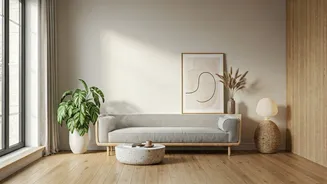
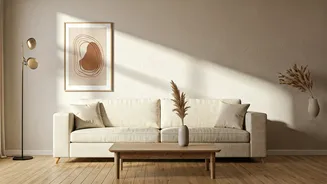
Walk into a stylish, newly designed home in Mumbai or Delhi today, and you might be surprised. The sleek, Scandinavian-inspired minimalism that once felt like the peak of sophistication has given way to something warmer, more layered, and deeply personal.
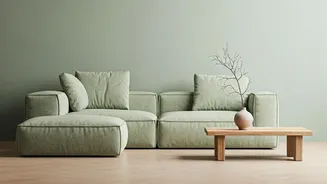
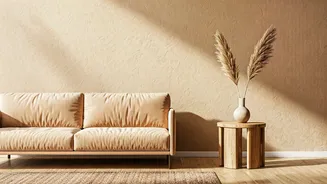
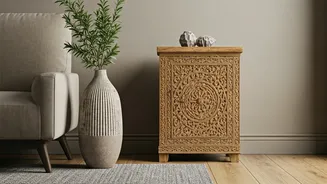
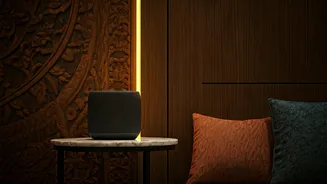
This isn't a rejection of modernity but an evolution of it. Designers and homeowners are embracing what's being called an 'India Modern' aesthetic—a philosophy that seamlessly blends contemporary design principles with centuries-old artisanal techniques. It’s a move away from interiors that could be anywhere in the world to spaces that feel proudly rooted in a specific place and culture. Instead of another gray sectional, you might find a low-slung sofa upholstered in hand-loomed khadi cotton, set against a wall adorned with intricate, hand-carved wooden panels. The result is a space that tells a story, not one that simply follows a global trend.
A Search for Authenticity and Soul
So, why now? This revival isn’t happening in a vacuum. It’s fueled by a potent mix of cultural pride, a desire for sustainability, and a post-pandemic yearning for homes that feel like true sanctuaries. A new generation of affluent Indians, globally connected but locally proud, is seeking to connect with their heritage in tangible ways. Displaying a piece of handcrafted furniture or a textile made in a remote village is a statement of identity. Furthermore, the global conversation around sustainability has found fertile ground here. Choosing locally sourced teak over imported wood, or opting for natural dyes and handwoven fabrics over mass-produced synthetics, is both an ethical and an aesthetic choice. After years of looking West for design cues, there’s a growing confidence in the subcontinent’s own vast reservoir of design language. The pandemic accelerated this, forcing people to spend more time at home and reflect on what makes a space truly meaningful. The answer, for many, was not perfection, but personality; not mass production, but master craftsmanship.
Old-World Skills, New-Age Spaces
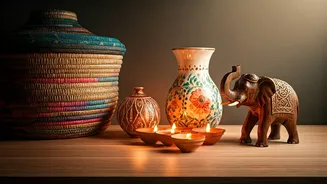
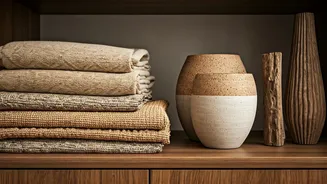
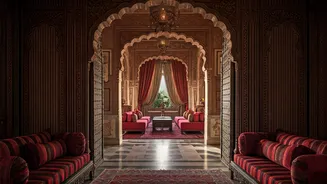
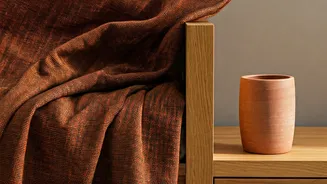
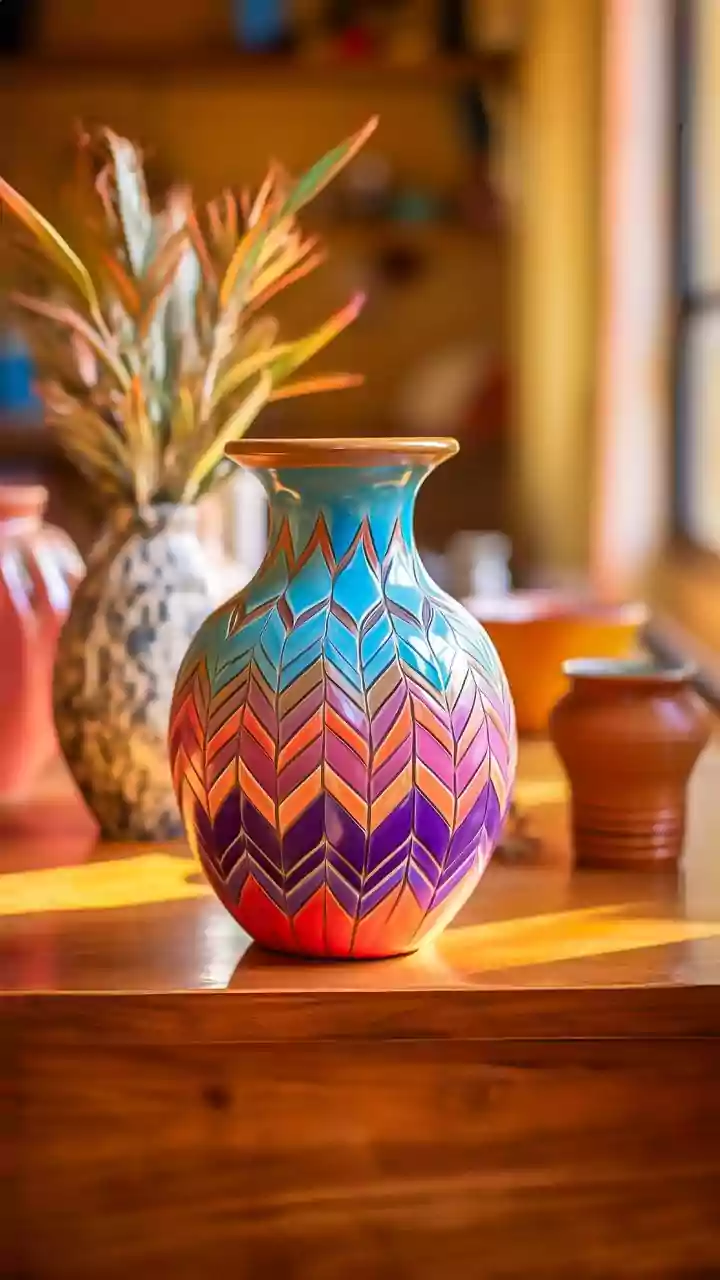
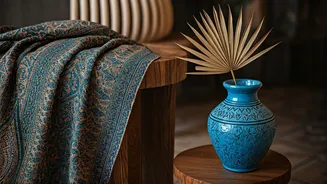
The crafts being revitalized are as diverse as India itself. In Rajasthan, the ancient art of *thikri*—inlaying hand-cut convex mirrors into plaster—is no longer confined to historic palaces. It’s now appearing as breathtaking feature walls and shimmering ceiling treatments in modern apartments. In the south, the breezy, elegant aesthetic of woven cane and rattan furniture, once relegated to colonial-era verandas, is now a chic staple in urban living rooms. Textiles are at the heart of the movement. Block-printed fabrics from Jaipur, with their charming imperfections, are used for everything from curtains to upholstery. Intricate embroidery techniques like *zardozi* (metal thread work) and *aari* (chain stitch), traditionally used for formal wear, are being commissioned for bespoke cushions and wall art. The key is in the application. These aren't museum pieces locked behind glass; they are living, breathing elements integrated into functional, contemporary homes, providing texture and a human touch that machines can’t replicate.
More Than Just an Aesthetic
This trend’s impact goes far beyond aesthetics. It represents a crucial economic and cultural lifeline for thousands of artisan communities across India. For generations, many of these highly skilled craftspeople saw their livelihoods threatened by industrialization and changing tastes. The renewed interest from architects and interior designers provides not just income, but also dignity and a reason to pass these skills down to the next generation. By commissioning a hand-knotted rug or a piece of *pietra dura* (stone inlay) furniture, a homeowner becomes a patron of the arts, helping to preserve a piece of cultural heritage. It re-establishes a direct connection between the maker and the user, a relationship that was lost in the age of global supply chains. This makes the home a repository of not just beautiful objects, but of stories, traditions, and the enduring power of the human hand.