





The Burnout of the Beach
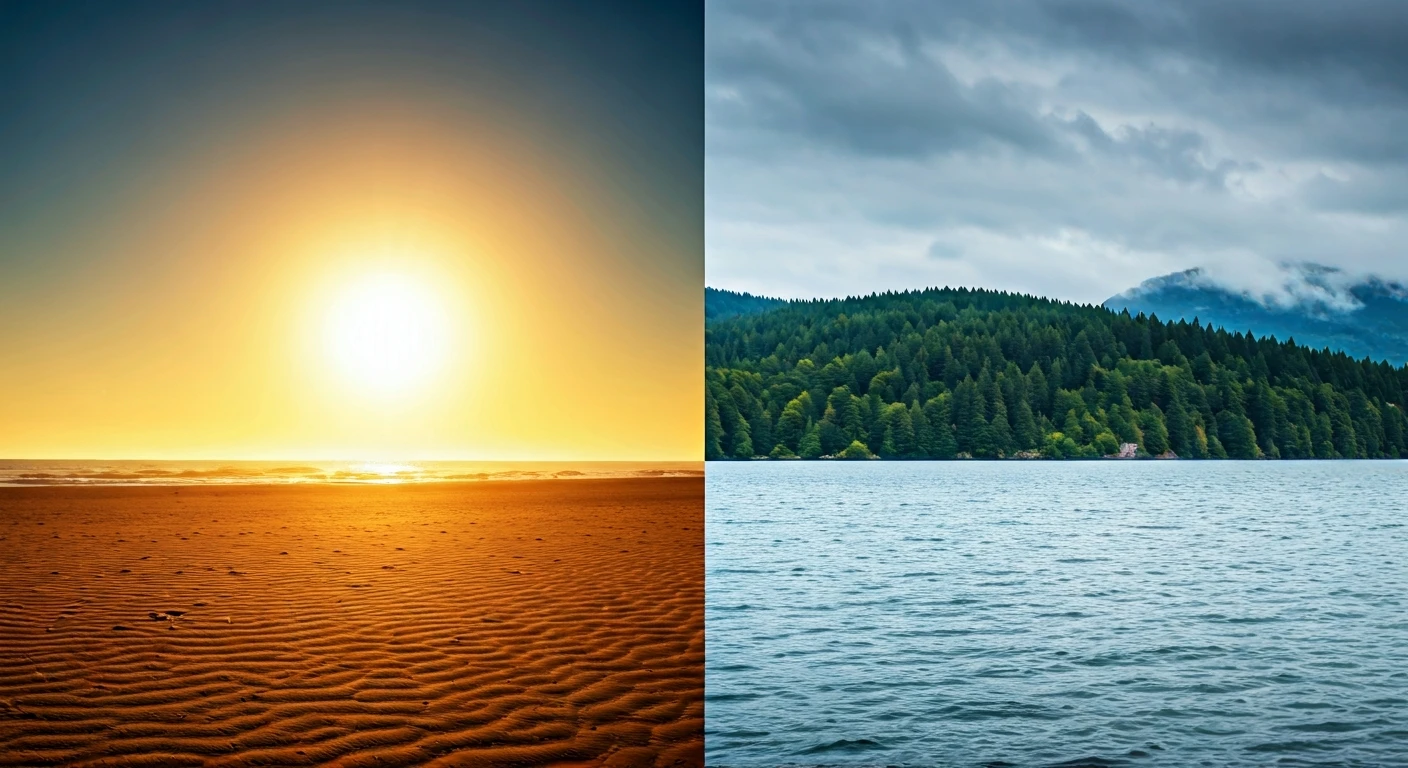
Call it ‘beach fatigue.’ It’s not an outright rejection of sand and sea, but a weariness with the demanding performance of a perfect beach holiday. For decades, the goal was clear: fly to a place where the sun always shines, secure a lounge chair, and bake
to a socially acceptable bronze. But in the wake of record-breaking heatwaves, spiraling costs, and social media feeds saturated with identical sunset photos, the fantasy is starting to fray. Travelers are reporting a sense of burnout from the sheer effort involved—the fight for a spot on an overcrowded beach in Mykonos, the anxiety of a vacation ruined by a heat dome in Southern Italy, or the simple feeling that one stretch of white sand is much like another. The relentless pursuit of sunshine has, for some, become more of a chore than a release.
The Allure of 'Mood' Travel
What’s replacing the sunshine mandate is a desire for something more atmospheric. Enter the rise of ‘mood travel’ or ‘cozy tourism.’ Instead of seeking to escape the weather, these travelers are leaning into it. They’re chasing the feeling of wrapping your hands around a warm mug in a mist-shrouded Scottish café, the thrill of hiking through a lush Irish landscape under a dramatic gray sky, or the cozy intimacy of a pub with a roaring fire. This travel style prioritizes feeling and texture over a simple change in temperature. It taps into the cultural appeal of concepts like the Danish ‘hygge’ (coziness) or the Scottish ‘coorie’ (a sense of snuggling in). It’s a vacation that doesn’t require perfect conditions to be successful; in fact, the drizzle, fog, and moody skies are a core part of the appeal.
From the Algarve to the Highlands
The travel industry is taking notice. Tour operators and booking sites are seeing a significant uptick in interest for destinations long considered ‘off-season’ or secondary. Scotland, Ireland, and Scandinavia are experiencing a boom. The appeal is obvious: landscapes that come alive in the rain, ancient castles that look even more mysterious when shrouded in fog, and a rich indoor culture of museums, distilleries, and pubs that thrive regardless of the weather. These aren't just fly-and-flop destinations; they invite exploration and engagement. The Pacific Northwest in the U.S. offers a similar domestic appeal, with its temperate rainforests and moody coastline. The goal isn’t to get a tan; it’s to collect experiences, soak in history, and return with a story that feels more unique than another snapshot of your feet in the sand.
A Smarter, More Sustainable Escape
This shift is also rooted in practicality. As popular sun destinations in the Mediterranean and Caribbean grapple with ‘overtourism,’ these cooler-weather alternatives often provide a reprieve from the crushing crowds. By embracing a less traditional travel calendar, visitors can find more authentic interactions and put less strain on overwhelmed infrastructure. Furthermore, as climate change makes summer heat in Southern Europe and other hotspots increasingly intense and even dangerous, a trip to a place with a high of 65 degrees Fahrenheit in July feels less like a compromise and more like a wise decision. It’s a form of climate-conscious travel, swapping the risk of heatstroke and wildfires for the manageable inconvenience of needing a good waterproof jacket. For a growing cohort of American travelers, that trade-off is looking better every year.