
The Original Fermentation Masters
For many Americans, the word “fermentation” conjures images of kombucha on tap, artisanal pickles, or the sourdough starter that became a national pet during 2020. It feels like a modern wellness trend, a discovery for the gut-health-obsessed. But in India,
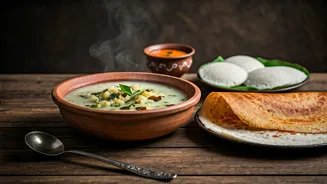
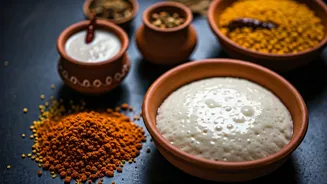
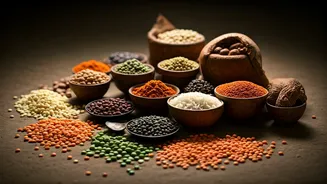
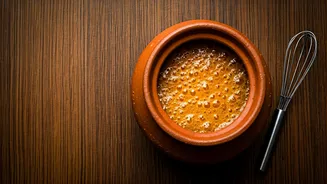
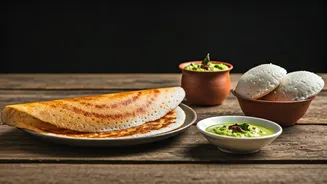
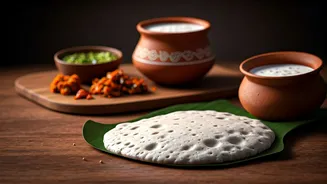
fermentation isn’t a trend; it’s a thousands-of-years-old tradition that forms the very foundation of daily cuisine. The most iconic examples are idli and dosa. Idli, a soft, pillowy steamed cake, and dosa, its crispy, sprawling crepe counterpart, are both made from a simple batter of rice and lentils. The magic happens during an overnight ferment. Naturally occurring yeasts and bacteria go to work, leavening the batter and transforming it into something airy, digestible, and deeply flavorful with a subtle, pleasing tang. This isn't a niche health food; it's a breakfast staple for millions, a testament to a culinary science perfected long before the advent of commercial yeast.
A Gut-Health Powerhouse
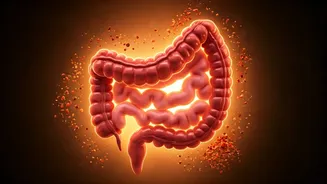
The renewed interest in these foods is perfectly timed with our growing understanding of the microbiome. The fermentation process doesn’t just create flavor and texture; it creates a probiotic powerhouse. The live cultures in a fresh dosa or idli batter help populate the gut with beneficial bacteria, which is linked to improved digestion, a stronger immune system, and overall wellness. Furthermore, fermentation acts as a form of pre-digestion. It breaks down the complex starches and anti-nutrients in grains and lentils, making their vitamins and minerals—like B vitamins and iron—more bioavailable for our bodies to absorb. In a world saturated with ultra-processed foods, these Indian staples offer a time-tested model for enhancing nutrition through natural processes. It’s the original functional food, delivering benefits far beyond basic calories.
Reclaiming a Culinary Identity
Perhaps the most compelling part of this revival is cultural. For many first- and second-generation Indian Americans, foods like idli were once just “what mom made”—comforting, yes, but not necessarily “cool.” In a lunchroom filled with sandwiches, a container of fermented rice cakes could feel foreign. But that perception is shifting dramatically. A new generation of chefs, cookbook authors, and food entrepreneurs are proudly placing these dishes at the center of their work. They aren't just recreating their grandmother's recipes; they are celebrating them, innovating with them, and explaining their cultural and nutritional significance to a wider audience. Restaurants are serving dosa with non-traditional fillings, and home cooks are sharing videos of their bubbling batter on Instagram. This isn’t about assimilation; it’s about celebration. Fermented Indian foods are becoming a symbol of cultural pride—a delicious link to heritage that is now being shared with confidence and creativity.
Beyond the Usual Suspects
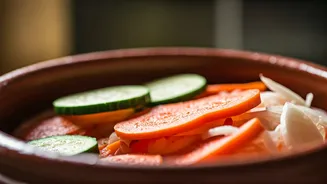
While dosa and idli are the undisputed stars, they are just the entry point into India’s vast universe of fermented foods. As the trend grows, Americans are discovering a wider array of regional specialties. There’s dhokla, a spongy, savory cake from Gujarat made with fermented chickpea flour, often tempered with mustard seeds and curry leaves. There’s koozh, a humble but nutritious fermented millet porridge from Tamil Nadu. And then there are the drinks, like kanji, a tangy, probiotic beverage from North India made by fermenting black carrots, beets, and spices—a savory, earthy cousin to kombucha. Exploring these dishes reveals the incredible diversity of Indian cuisine and the ingenuity of its culinary traditions. Each one tells a story about its region’s climate, agriculture, and history, proving that fermentation was never just one thing, but a versatile tool adapted to create nourishment and flavor across the subcontinent.