

Meet the ‘Miracle Tree’
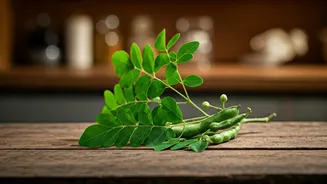
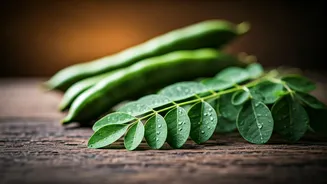
If you haven't heard of moringa, you’re not alone, but it’s been a staple in parts of South Asia and Africa for centuries. Moringa oleifera is a fast-growing, drought-resistant tree, often called the ‘drumstick tree’ for its long, slender seed pods, or more
ambitiously, the ‘miracle tree.’ In many parts of India, particularly the south, those pods are a beloved vegetable, simmered in tangy lentil stews like sambar or cooked into fragrant curries. Every part of the tree has historically been used, from the leaves and flowers to the seeds and roots, making it a cornerstone of traditional diets and Ayurvedic practices.
Not New, but Newly Appreciated
So, why the sudden buzz? While the tree is ancient, our understanding of its nutritional composition is modern. Moringa leaves are packed with vitamins, minerals, and antioxidants. They’re a rich source of Vitamin C, Vitamin A, potassium, and protein. In a wellness-obsessed culture, moringa’s profile reads like a superfood wish list. The ‘energy’ in the headline isn’t about a caffeine-like jolt; it’s about the sustained vitality that comes from a truly nutrient-dense food. As Americans become more interested in functional foods—ingredients that offer health benefits beyond basic nutrition—moringa fits the bill perfectly. It bridges the gap between ancient folk wisdom and modern nutritional science, giving credibility to what grandmothers in Tamil Nadu knew all along: this stuff is good for you.
The Modern Indian Kitchen Remix
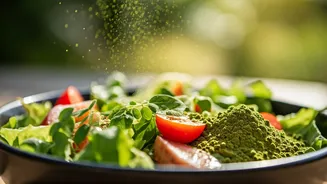
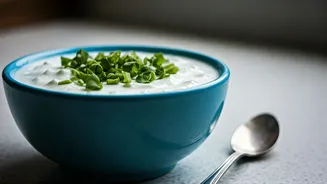
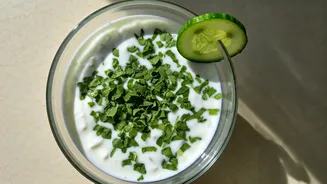
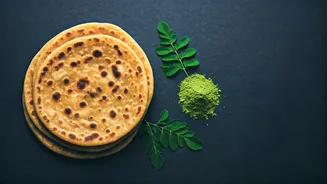
The real innovation isn't the ingredient itself, but how it's being used. Traditionally, you’d eat the drumsticks or fresh leaves. Today, the most popular form is a fine, bright green powder made from dried leaves. This powder is incredibly versatile and allows chefs and home cooks to ‘borrow’ moringa’s energy and weave it into dishes in new ways. Think of it as a culinary upgrade. Instead of just a side dish, moringa is becoming a core component. We’re seeing it kneaded into the dough for roti or paratha, creating stunning green flatbreads. It's being whisked into yogurt for a savory raita, blended into green smoothies for a breakfast boost, and even used to create vibrant, earthy pestos and sauces. This modern approach, led by a new generation of Indian chefs and food bloggers, makes the ingredient more accessible and integrates its benefits seamlessly into everyday meals.
How to Bring Moringa Home
Intrigued? Getting started with moringa is easier than you might think. Moringa powder is the most common form you’ll find in the U.S. and is available at most health food stores, Indian grocery markets, and online. A little goes a long way, as the flavor is potent—a cross between spinach and matcha, with a slightly peppery, horseradish-like kick. Start by adding a half-teaspoon to a smoothie, a bowl of oatmeal, or a pot of dal. You can also whisk it into scrambled eggs or sprinkle it over roasted vegetables just before serving. The key is to incorporate it into foods with other strong flavors that can balance its assertive taste. Don’t be afraid to experiment; that’s exactly what the best modern Indian kitchens are doing.