




The Search for a True Digital Detox
In a world of perpetual notifications and blue-light-induced insomnia, the most coveted amenity is no longer free Wi-Fi—it's the freedom from it. Hotel lobbies, with their charging ports and seamless connectivity, keep us tethered to the very work and social
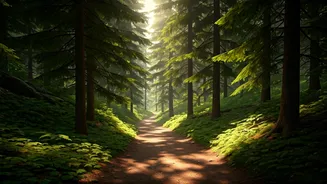
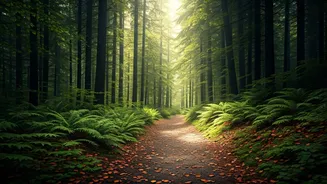
pressures we're trying to escape. A forest trail, by contrast, often offers the blissful gift of no signal. This forced disconnect allows our brains to reset. Instead of scrolling through emails by the pool, we're scanning the horizon for a scenic overlook. This isn't about Luddism; it's about mental health. The quiet solitude of a wooded path provides a powerful antidote to the chronic overstimulation of modern life, allowing for genuine relaxation that a resort can't always replicate.
Wellness Is the New Luxury
The definition of a 'restful' vacation is changing. For years, luxury meant passive indulgence: fine dining, spa treatments, and lounging. Today, wellness is an active pursuit, and travelers increasingly see physical activity in nature as the pinnacle of self-care. The Japanese concept of *shinrin-yoku*, or 'forest bathing,' has entered the American wellness lexicon for a reason. Studies have shown that spending time among trees can lower stress hormones, reduce blood pressure, and boost your immune system. A challenging hike that leaves you breathless at a summit provides a feeling of accomplishment and vitality that no all-inclusive wristband can match. It’s a trade-off: sore muscles and a clear mind instead of a food coma and a bar tab.
An Antidote to Crowds and Hidden Costs
While a trip to a popular National Park isn't exactly free, it represents a different value proposition. The resort economy is built on upselling—exorbitant resort fees, $25 poolside cocktails, and pricey restaurant reservations. In contrast, a day on a forest trail often requires little more than a park entry fee, a packed lunch, and a full water bottle. This accessibility appeals to budget-conscious families and solo travelers alike. Moreover, while iconic trails can certainly get congested, the outdoors offers a scale that even the largest mega-resort cannot. A short walk from the main path can often lead to the kind of peace and quiet that's impossible to find in a hotel with a thousand rooms and a crowded breakfast buffet.
A Hunger for Authentic, Unscripted Experiences
Modern travelers, particularly younger generations, are increasingly wary of pre-packaged, cookie-cutter vacations. They crave authenticity and a story to tell. A hotel lobby, no matter how beautifully designed, is a controlled, predictable environment. A forest trail is the opposite. It’s an unscripted adventure where you might spot wildlife, discover a hidden waterfall, or push your own physical limits. These are the unique, shareable moments that create lasting memories. The satisfaction comes not from being served, but from navigating, exploring, and achieving something for yourself. This desire for earned experiences over passive consumption is a powerful driver pushing people from the concierge desk to the trailhead.
Making Memories, Not Just Reservations
Think about the dynamics of a family vacation. At a resort, it’s easy for family members to disperse—teens on their phones, parents by the bar, kids in the pool. A hike, however, is a shared journey. It forces conversation, teamwork, and mutual encouragement. You’re tackling the same inclines, celebrating the same views, and complaining about the same pesky mosquito. This shared effort fosters a unique kind of bonding. The memories forged aren't of the hotel room's decor, but of the laughter shared on a steep switchback or the collective awe at a panoramic vista. In the end, it’s this active, shared experience that many now cherish more than the passive comfort of a perfectly climate-controlled room.