

An Ocean of People and Perfume
The first thing you notice isn’t a stall or a mango, but the sheer density of the crowd. It’s a humid summer day in Delhi, and thousands of people are packed into a sprawling fairground, all on a single-minded mission. The air, thick with heat, is even
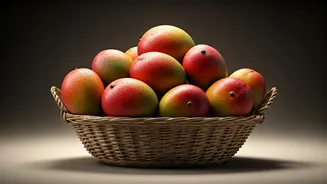
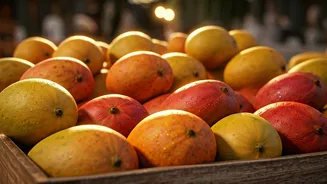
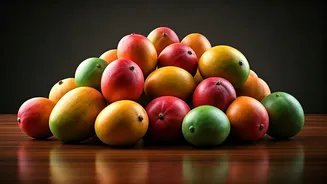
thicker with the perfume of mangoes—a smell so sweet and potent it’s almost drinkable. Vendors shout over one another, announcing their prized varieties. Families navigate the throng with practiced ease, children darting between legs, their faces already sticky with golden juice. It’s less like a festival and more like a pilgrimage site where the deity is a piece of fruit. For an American accustomed to personal space and quiet queues, the initial feeling is overwhelming. But then, you spot it: a pyramid of perfectly blushing mangoes, and the chaos starts to feel like passion.
A Masterclass in Mangoes
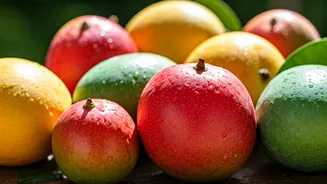
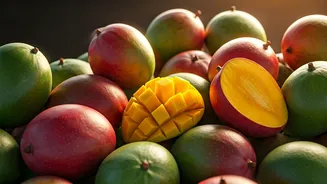
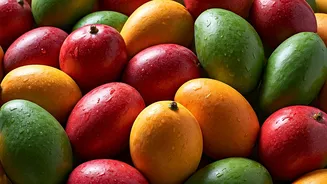
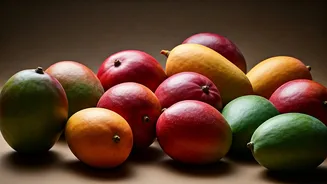
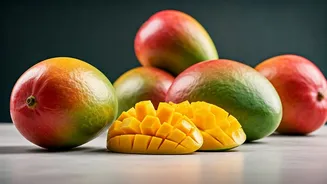
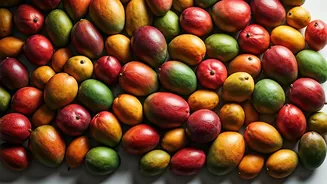
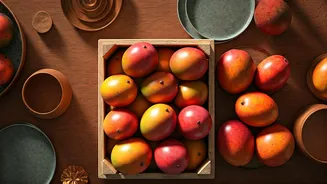
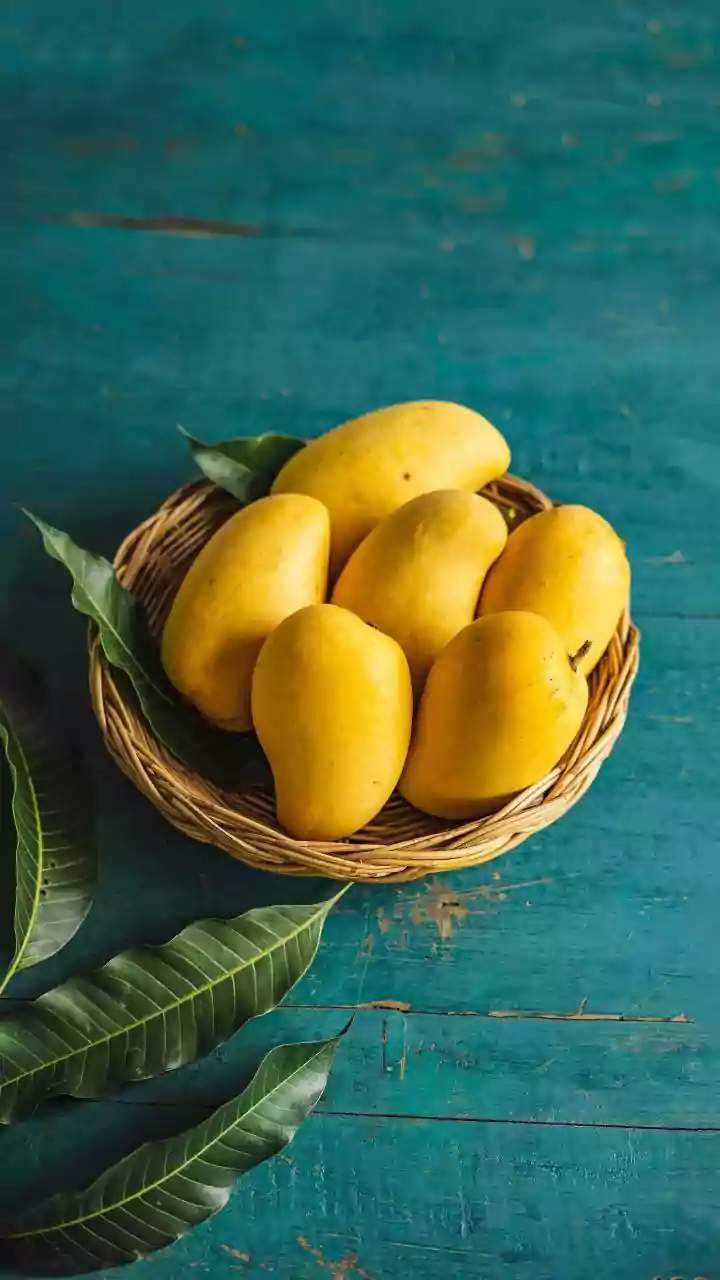
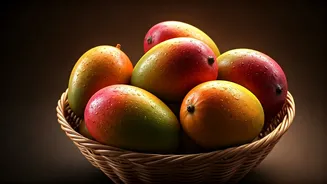
This isn’t just about buying the generic red-and-green mango you might find at a U.S. supermarket. The Delhi International Mango Festival (Aam Mahotsav) is an education. Stalls showcase hundreds of varieties, many of which never leave India. You’ll see the legendary Alphonso, prized for its creamy, non-fibrous flesh. You’ll find the slender, intensely sweet Dussehri from North India, the greenish, tangy Langra, and the late-season Chausa, which locals swear is the best of all. Growers from across the country are here, eager to explain the unique terroir of their farm. They’ll cut a sliver for you to taste, a gesture that is part sales pitch, part proud display of their life’s work. You quickly learn that in India, a mango is not just a mango. It has a name, a lineage, and a fiercely loyal fan base.
The Competitive Sport of Fruit
The energy of the festival is fueled by more than just sugar; it's fueled by competition. In one corner, a mango-eating contest is underway. Participants, hands behind their backs, bury their faces in piles of mangoes, juice flying everywhere as the crowd roars with laughter and encouragement. It’s messy, ridiculous, and utterly joyful. Elsewhere, farmers compete for titles like “Best in Show” for their most perfect specimen. There are even competitions for the biggest mango, with some specimens looking more like small melons. This competitive spirit extends to the shoppers, who engage in lively, good-natured haggling with vendors, a verbal dance that’s as much a part of the cultural experience as the fruit itself. You don’t just buy mangoes here; you earn them.
Beyond the Raw Fruit
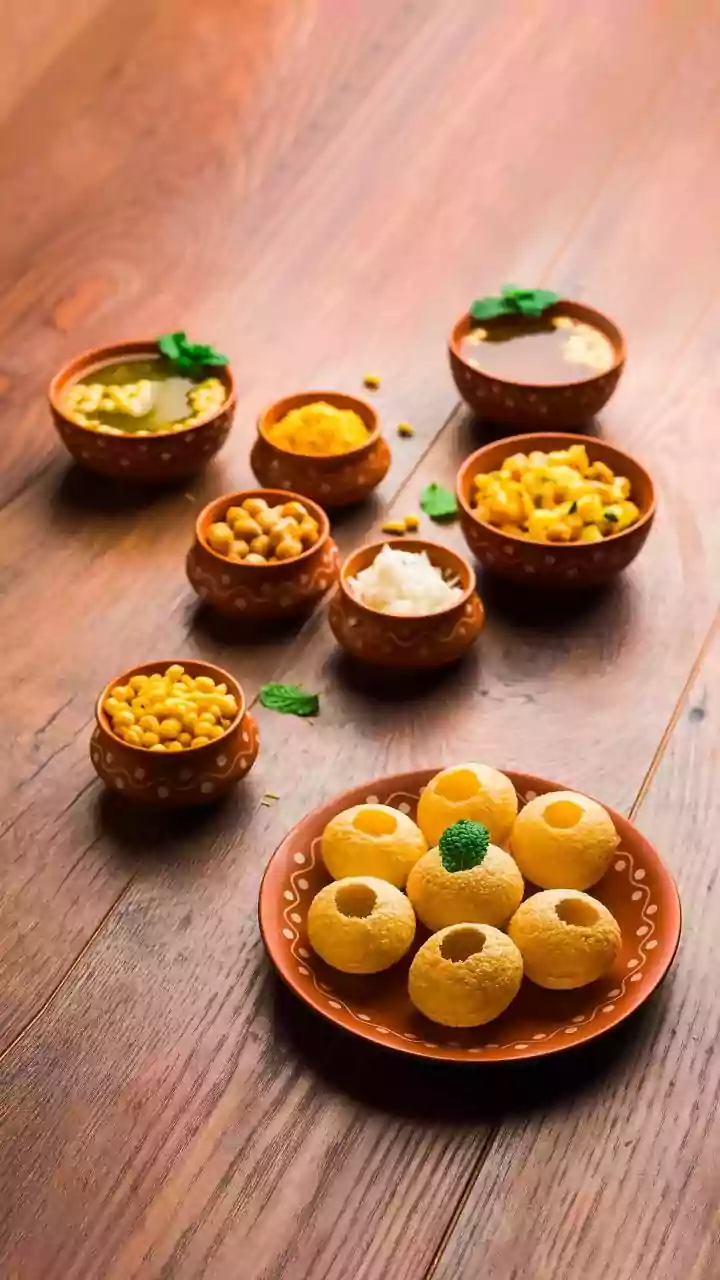
While whole mangoes are the main event, the festival is also a showcase for the fruit’s incredible versatility. The air is filled with the sizzle of vendors making mango-based street food. You can find mango kulfi (a dense, creamy Indian ice cream), refreshing mango lassi (a yogurt drink), and countless jars of homemade pickles (achar) and chutneys, ranging from blisteringly spicy to candy-sweet. There are mango salsas, mango smoothies, and even savory dishes incorporating unripe green mangoes. The event is a testament to a culinary culture that wastes nothing and celebrates its star ingredient in every conceivable form. It transforms the simple act of eating a fruit into a full-blown culinary adventure, with every stall offering a new way to experience the beloved flavor.