








When Gains Actually Happen
Let’s clear up the biggest misconception in fitness: You don’t get stronger in the gym. You get stronger on the couch, in your bed, and at the dinner table. Think of your workout as placing an order with your body. You go to the gym, lift heavy things,
and create a stimulus. You’re essentially sending a message that says, “Hey, the world is demanding, and we weren’t strong enough. We need to upgrade.” But the actual construction work—the building of new, stronger muscle tissue—doesn’t happen while you’re mid-squat. It happens when you rest. The workout is the stress that signals the need for adaptation. Recovery is the adaptation itself. Without it, you’re just placing the same order over and over without ever letting the delivery arrive. You’re just breaking yourself down.
The Science of Smart Repair
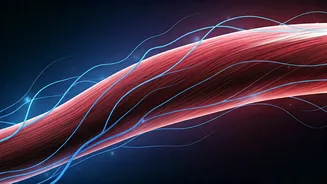
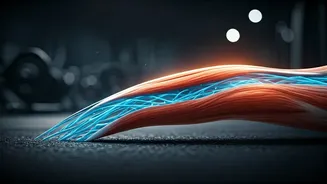
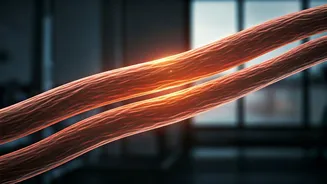
When you perform resistance training, you create microscopic tears in your muscle fibers. This sounds bad, but it’s the entire point. This damage triggers an inflammatory response, and your body dispatches cells to clean up the debris and begin the repair process. This is where the magic happens through a process called muscle protein synthesis. Your body uses amino acids from the protein you eat to rebuild the damaged fibers, not just to their previous state, but slightly stronger and thicker than before. This is called supercompensation. However, this process requires two key ingredients you can't provide in the gym: time and resources. If you jump back into another intense workout before the repair cycle is complete, you interrupt the process. You start creating new tears before the old ones are fixed, leading to chronic fatigue, stalled progress, and a higher risk of injury.
It’s Not Just Your Muscles
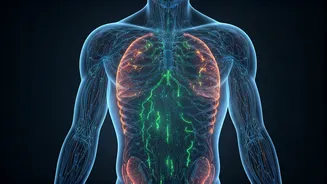
Overtraining isn’t just a muscular issue; it’s a full-body problem, starting with your central nervous system (CNS). Your CNS—your brain and spinal cord—is the command center that fires the signals to make your muscles contract. Every workout taxes it. Chronic, high-intensity training without adequate rest can lead to CNS fatigue. Symptoms include a drop in motivation, irritability, poor sleep, and a decrease in performance, even if your muscles feel fine. Sleep is the primary tool for CNS and hormonal recovery. During deep sleep, your body suppresses the stress hormone cortisol and releases human growth hormone (HGH), a critical component for tissue repair and growth. Skimping on sleep is like hiring a construction crew but only letting them work for an hour. The job simply won't get done.
Putting the 'Active' in Recovery
So, is the hack just to be lazy? Not quite. The most effective recovery isn't purely passive. While sleep is non-negotiable, ‘active recovery’ is the real pro-level move. This means engaging in low-intensity activities that promote blood flow without adding significant stress. Think of a gentle walk, a light swim, foam rolling, or a stretching session. These activities help deliver nutrient-rich blood to your tired muscles, clearing out metabolic byproducts and potentially reducing soreness. Proper nutrition is also a form of active recovery. Consuming adequate protein provides the building blocks for muscle repair, while carbohydrates replenish the glycogen (your muscles' primary fuel source) you burned during your workout. Hydration, too, is essential for nearly every metabolic process in your body. This is the 'hack': treating your recovery with the same intention and focus you bring to your training.