


The Rise of 'Soft Travel'
In an age of burnout, the hyper-scheduled, sight-seeing-crammed vacation is losing its appeal. Enter 'soft travel,' a growing movement that prioritizes comfort, mood, and low-stakes leisure over ambitious itineraries. It’s the antithesis of adventure
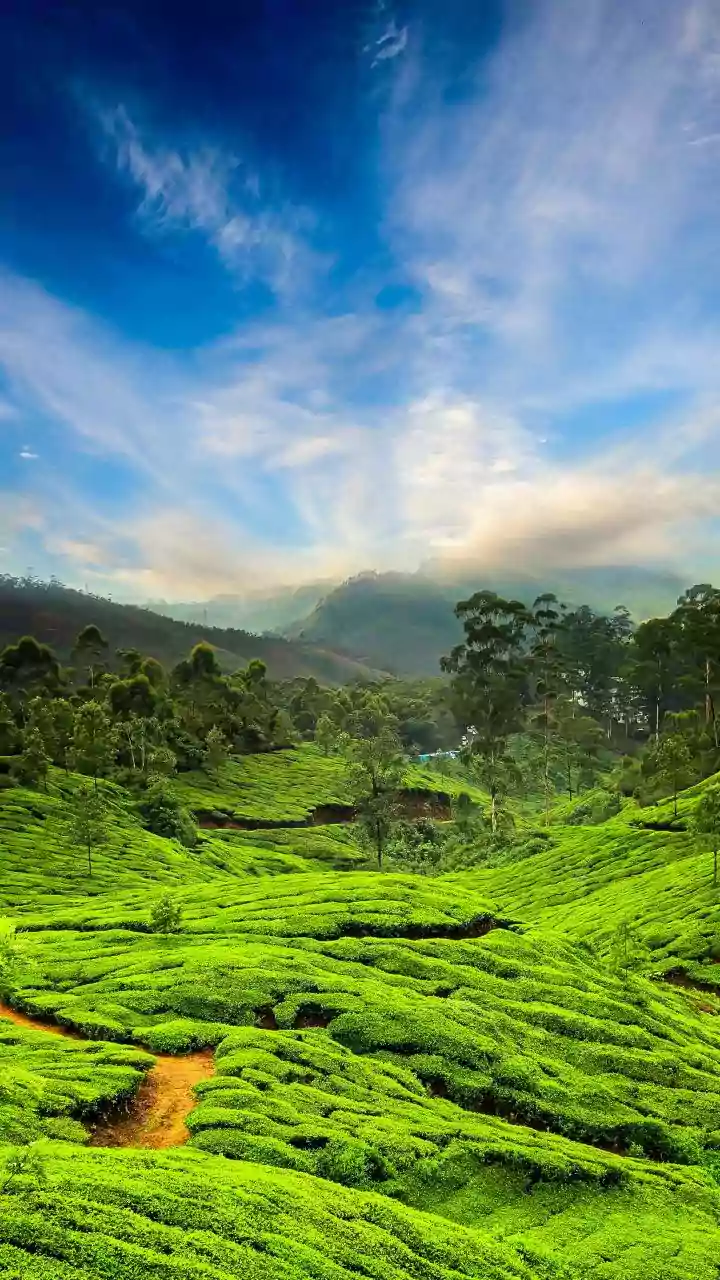
tourism; the goal isn't to conquer a mountain but to enjoy the view of one from a cozy armchair, preferably with a good book and a hot drink. Soft travel is about choosing destinations that allow you to unwind, reflect, and simply 'be' rather than 'do.' It's less about collecting passport stamps and more about collecting moments of genuine peace. This philosophy finds its perfect expression in the sleepy, rain-soaked hills of Darjeeling, India, where the cafe culture has inadvertently become a global benchmark for the trend.
A Window to the Clouds
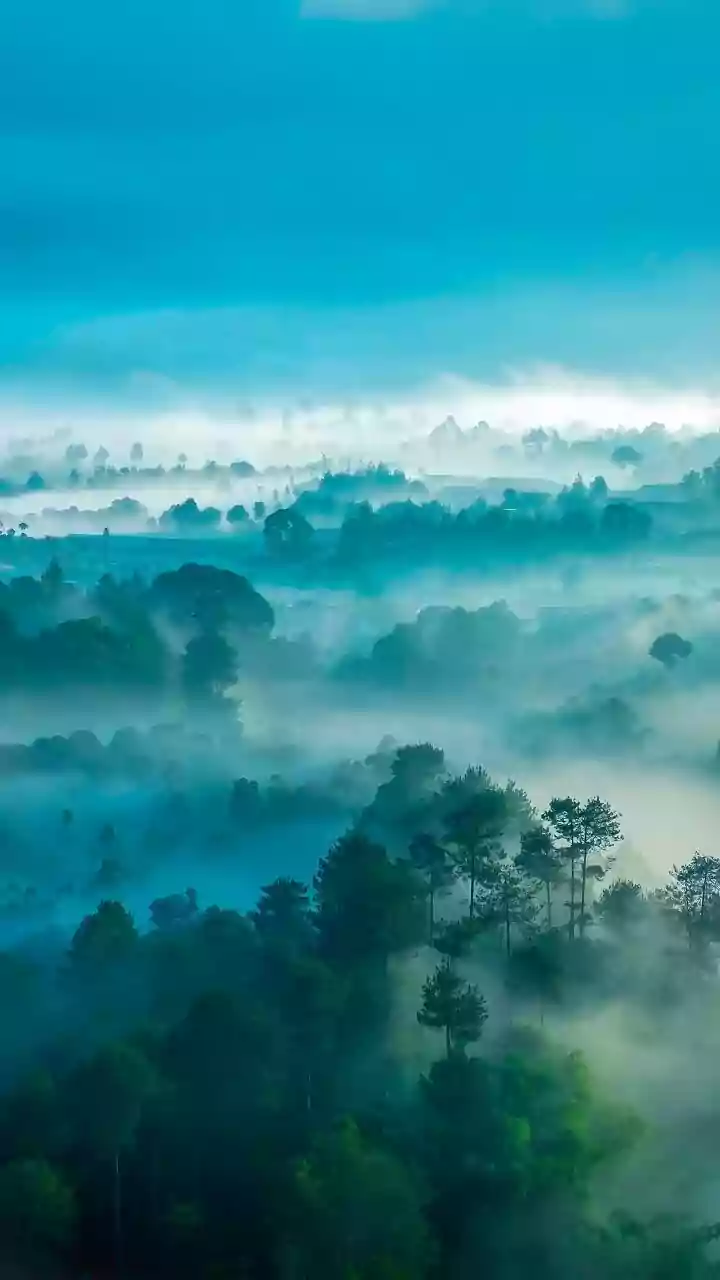
Darjeeling, perched in the Himalayan foothills of West Bengal, is world-famous for its tea plantations. But for the soft traveler, its true magic is found within the warm, wood-paneled walls of its cafes. Establishments like the legendary Glenary's Bakery, Cafe & Pub or the eternally popular Keventer's aren't just places to grab a bite; they are institutions of comfort. With their large windows—often fogged with condensation—they serve as front-row seats to the dramatic theater of the monsoon. The experience is deeply sensory: the scent of freshly baked scones and spicy momos, the clatter of cutlery against porcelain, and the panoramic view of clouds rolling through the valley, occasionally parting to reveal a stunning glimpse of the Kanchenjunga mountain range.
Monsoon as the Main Attraction
Most travel guides treat the monsoon season (roughly June to September) as a time to avoid. But for this kind of travel, the rain is the main event. It enforces a slower pace, washing away the pressure to be constantly out exploring. The downpour transforms Darjeeling from a bustling tourist town into a quiet, introspective sanctuary. The gray skies and cool air create a natural invitation to seek shelter, settle in, and indulge in conversation or quiet contemplation. The rain becomes a soundtrack, a percussive backdrop to hours spent reading, writing, or just watching the world go by. In Darjeeling, travelers don't hide from the rain; they embrace it as an essential part of the atmosphere.
More Than Just a Cup of Tea
While you can find some of the world's best tea here, the cafe menus offer a comforting culinary fusion that reflects the town's layered history. Alongside the classic British-style high tea with finger sandwiches and pastries, you’ll find hearty English breakfasts, sizzling platters, and a strong Tibetan influence in the form of momos (steamed dumplings) and thukpa (noodle soup). This blend is the perfect fuel for a day of doing very little. It’s comfort food at its finest, served in a setting that feels both nostalgic and timeless. These cafes are living museums, preserving a piece of the British Raj era while serving the needs of the modern traveler who has come not to colonize, but to connect—with the place, and with themselves.