






The Siren Song of the Quick Fix
Let's be honest: the appeal of a crash diet is powerful. In a culture obsessed with instant gratification, the promise of rapid transformation—losing 10 pounds in a week, getting a 'beach body' in a month—is intoxicating. From cabbage soup diets in the '80s
to the recent fervor over GLP-1 agonists like Ozempic, we've always been drawn to the magic bullet. These plans often work by creating a severe calorie deficit through extreme restriction, whether it's cutting out entire food groups like carbohydrates or surviving on juice alone. The initial results can be dramatic, feeding a sense of accomplishment. But the model is built on a foundation of deprivation and unsustainability. Our bodies are smarter than our diet plans; they fight back against starvation with intense cravings, metabolic slowdowns, and a powerful psychological backlash that often leads to rebound weight gain and a crushing sense of failure.
The Great Correction: Why Now?
So why is the pendulum swinging back toward balance now? It’s a perfect storm of cultural exhaustion and a collective shift in priorities. After years of wellness being synonymous with hardcore self-optimization, many are simply tired. The constant pressure to track, measure, and restrict has led to widespread 'diet fatigue.' At the same time, conversations around mental health have become mainstream. We're more aware than ever of the link between restrictive eating and anxiety, obsessive thoughts, and conditions like orthorexia. The body positivity and anti-diet movements, once niche, have filtered into the mainstream, championing food freedom and intuitive eating. This isn't about 'letting yourself go'; it's about tuning in to your body's signals of hunger, fullness, and satisfaction—skills that crash dieting actively dismantles. The pandemic also played a role, with many people rediscovering the comfort and joy of home cooking and seeking stability over radical change.
What 'Balanced' Actually Means Today
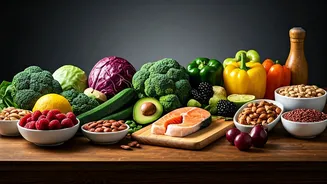
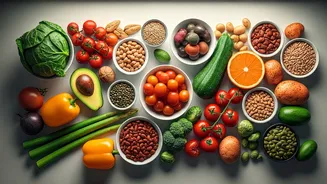
If 'balance' conjures images of bland, steamed chicken and broccoli, it's time for an update. Today's version is less about rigid rules and more about a flexible, inclusive mindset. At its core, a balanced plate is one that provides sustainable energy and nourishment. This generally means including a mix of the three macronutrients: protein (for muscle repair and satiety), fats (for hormone production and vitamin absorption), and complex carbohydrates (for energy). But the modern definition goes further. It’s about 'addition' rather than 'subtraction.' Instead of asking 'What can't I eat?', the question becomes 'What can I add to make this meal more nutritious and satisfying?' Maybe it's adding a handful of spinach to your pasta, a side of avocado with your eggs, or berries to your yogurt. It's a strategy that focuses on abundance, not scarcity.
This Isn't Your Mother's Food Pyramid
The new balanced eating is also more personal and culturally aware than the one-size-fits-all food pyramid of the past. It acknowledges that a healthy plate in New Orleans looks different from one in Seoul or Mexico City, and that's a good thing. It makes room for 'soul foods'—the dishes that connect us to family, culture, and pure enjoyment—without guilt. The goal is consistency, not perfection. It's understanding that one 'unhealthy' meal doesn't derail everything, just as one salad doesn't make you a health icon. This approach trades the short-term thrill of a crash diet for the long-term rewards of a stable relationship with food: more consistent energy, a calmer mind, and the freedom to simply enjoy a meal without a side of anxiety.