


From Lonely Succulent to Lush Ecosystem
For years, the narrative of urban living involved a trade-off: space and nature for convenience and culture. A single, hardy succulent on the windowsill was the primary connection to the natural world. But that's changing. Driven by a desire for wellness,
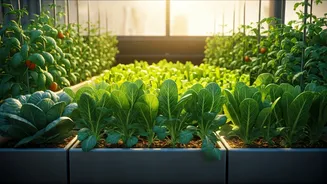
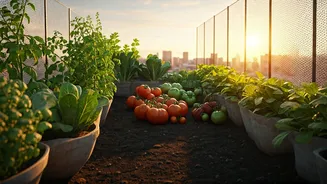
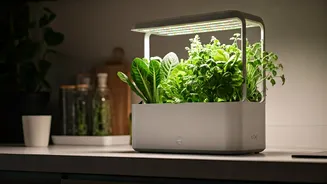
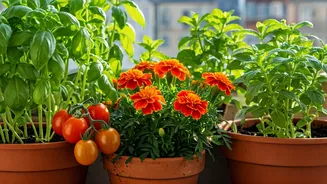
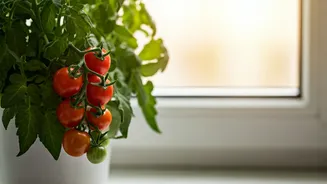
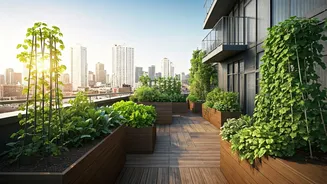
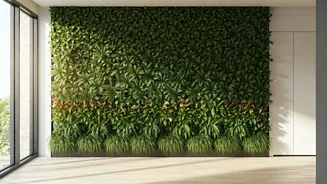
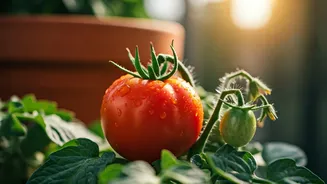
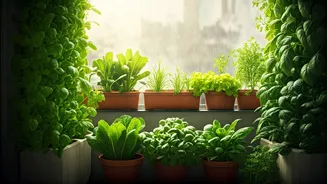
sustainability, and a deeper understanding of our food sources, city dwellers have embraced urban farming with surprising vigor. Balconies, fire escapes, and sunny windowsills are being transformed into miniature market gardens, producing everything from cherry tomatoes and kale to fragrant herbs. This isn't just about saving a few dollars on groceries. It's a tangible act of creation in an often-intangible digital world. Tending to a plant, watching it grow from seed to harvest, provides a grounding, daily ritual. It’s a response to a collective craving for authenticity and a hands-on connection to the food we eat. This movement reclaims a small patch of the built environment and makes it productive, green, and alive.
The Four-Legged Complication
For the millions of Americans who are also dedicated “pet parents,” this green-thumb renaissance comes with a significant complication: a curious cat or a bored dog. The same space being optimized for heirloom tomatoes is also a playground for our furry family members. This creates a direct conflict, as many common and beautiful plants—from lilies and tulips to the leaves of the tomato plant itself—are toxic to pets. The internet is filled with horror stories of emergency vet visits prompted by a nibbled houseplant. For a long time, the solution seemed to be a binary choice: you could have a pet, or you could have a flourishing indoor garden, but not both. This dilemma has forced a generation of conscientious owners to scrutinize every bouquet and potted plant that crosses their threshold, often consulting resources like the ASPCA’s extensive database of toxic and non-toxic plants. It’s a constant state of vigilance that can make the dream of a lush indoor oasis feel out of reach.
The Rise of the Pet-Safe Edible Garden
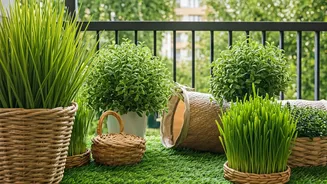
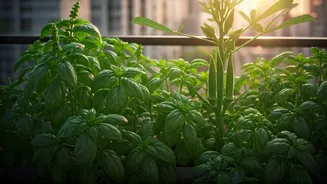
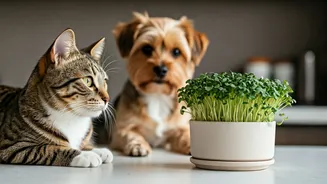
This is where the two trends converge to create a new lifestyle philosophy. Instead of seeing pets as a limitation, innovative urbanites are designing their gardens *around* their animals. The central question is no longer “What can I grow here?” but “What can we grow here, together?” The result is the rise of the pet-safe edible garden, a curated ecosystem that’s safe for all inhabitants. This approach transforms the garden from a forbidden zone into a shared sensory experience. It involves deliberately choosing plants that are not only edible for humans but also harmless (or even beneficial) to pets. A pot of catnip or cat grass sits next to human-grade basil and mint. A container of carrots, whose leafy green tops are safe for dogs to nibble, thrives on a sunny patio. Blueberries and strawberries, both dog-safe in moderation, offer a sweet treat for everyone. It’s a holistic approach to the home, viewing it as a single, integrated environment for all its occupants, two-legged and four-legged alike.
More Than Just Plants: A Shared Activity
The true beauty of this movement lies in its ability to deepen the human-animal bond. Gardening ceases to be a solitary human activity and becomes a source of mutual enrichment. A cat can safely explore a jungle of cat-safe herbs like rosemary and thyme, engaging its senses of smell and touch. A dog might enjoy the “work” of digging in a designated, pet-friendly garden bed. This shared environment provides mental and physical stimulation for pets who spend most of their time indoors. It combats boredom and enriches their world in a way a plastic toy cannot. For the owner, the joy of harvesting a fresh sprig of basil for dinner is amplified by the peace of mind that comes from knowing the entire green space is a safe, welcoming haven for their most cherished companion. It’s less about maximizing crop yield and more about maximizing shared well-being.