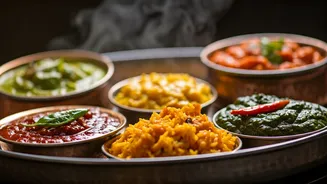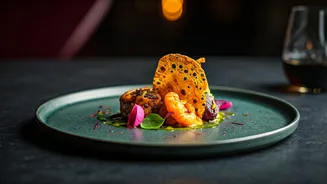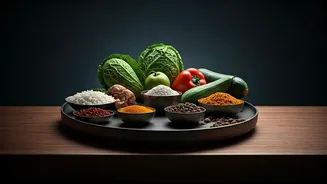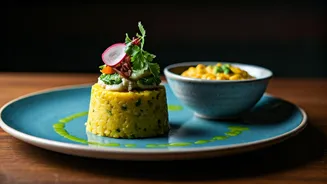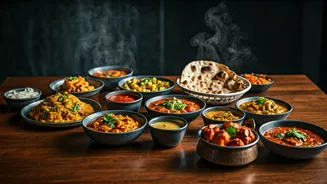

So, What Exactly Is Chatpata?
Before you can taste the trend, you have to understand the term. ‘Chatpata’ is a Hindi and Urdu word that defies simple translation. It’s not just “spicy” or “savory.” It’s a full-on sensory experience, a flavor profile that hits every note on your tongue
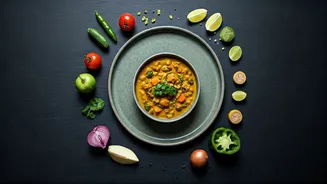
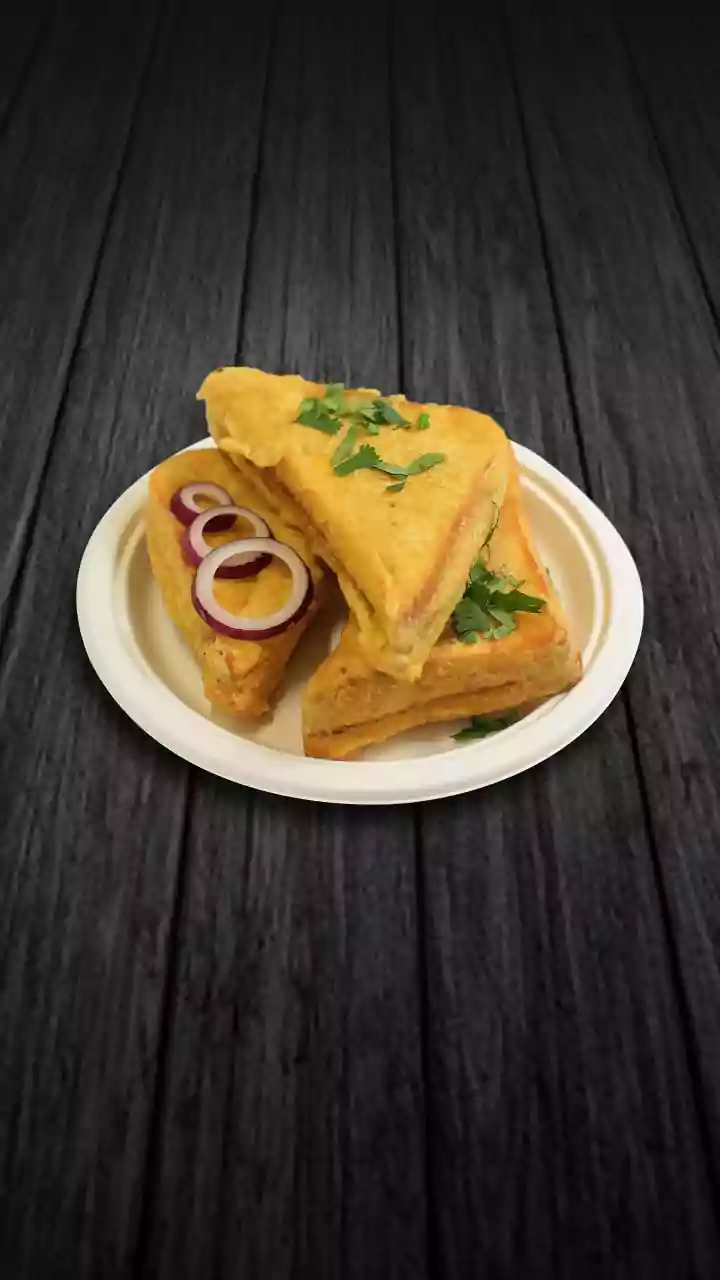
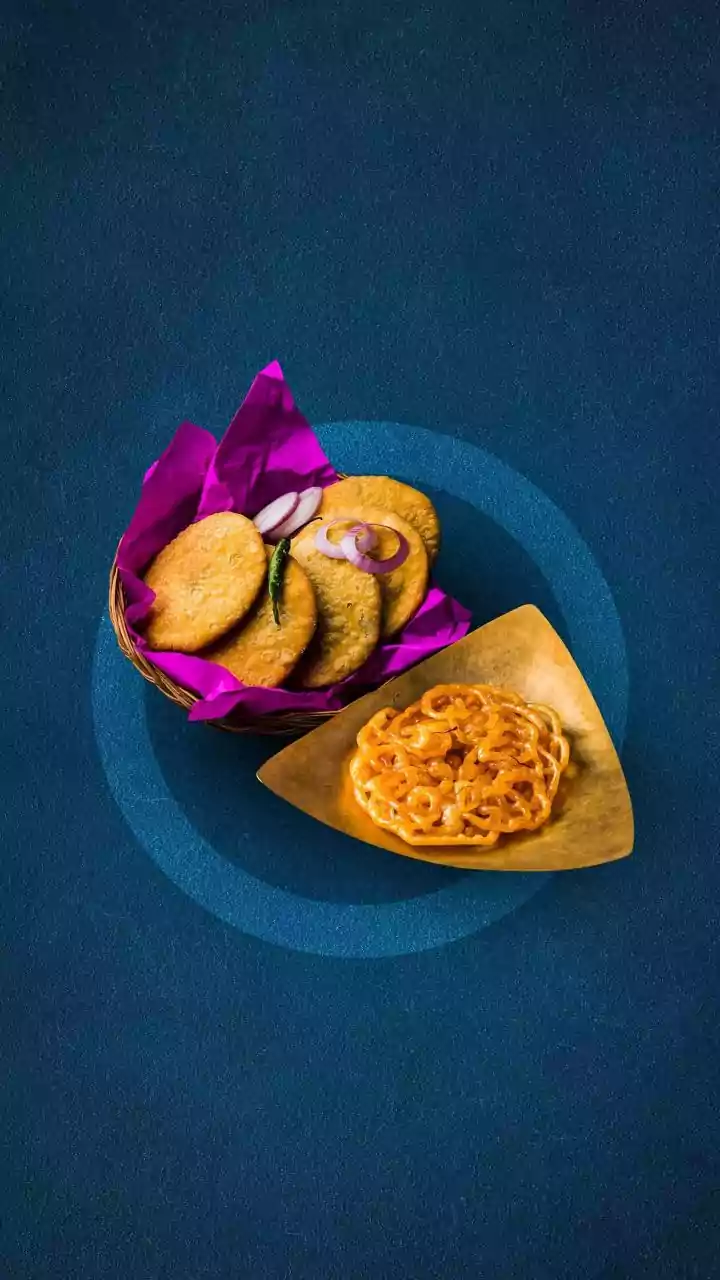
in a dizzying, delightful symphony. Think of it as a complex chord of sweet, sour, salty, spicy, and sometimes a funky, pungent element known as ‘umami’ in other cuisines. The classic American flavor profile often seeks balance; chatpata seeks beautiful, delicious chaos. The heart of this flavor is ‘chaat,’ a category of Indian street food snacks designed to be craveable and compulsively eatable. The core ingredients often include tamarind chutney (sweet and sour), mint-coriander chutney (spicy and fresh), yogurt (creamy and cooling), and a magical dusting of chaat masala—a spice blend that typically includes dried mango powder (amchur), black salt (kala namak), cumin, and chili. It’s the culinary equivalent of a firecracker going off in your mouth, in the best possible way.
From Street Stalls to American Staples
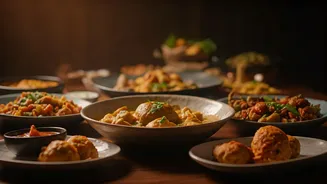
For decades, these flavors were largely confined to South Asian households and neighborhood restaurants. But now, they’re breaking out and showing up in the most unexpected—and delicious—places. We’re not talking about a separate menu item; we’re talking about a full-on flavor integration with American classics. Think of crispy french fries dusted not with salt, but with tangy, savory chaat masala. Imagine a gooey, baked macaroni and cheese shot through with the warm spices of a tikka masala sauce, creating a dish that’s both familiar and thrillingly new. This trend is bubbling up from the ground level. You see it in trendy restaurants offering tamarind-glazed ribs instead of standard barbecue. You find it in food trucks serving up spicy fried chicken sandwiches with a cooling mint-yogurt slaw. Even grocery store aisles are showing signs, with brands introducing chutneys and spice blends marketed for their versatility. This isn't “fusion” in the clumsy, 1990s sense of the word. It's a more organic, confident blending of cultures on a plate.
The Chefs Driving the Flavor Forward
This chatpata wave isn’t a corporate invention. It’s being driven by a generation of second- and third-generation South Asian American chefs and home cooks. People who grew up eating dal and rice at home and pizza and burgers with their friends are now creating food that reflects their dual identity. For them, adding a sprinkle of chaat masala to fries isn't a gimmick; it’s a natural expression of their own palate and personal history. Chefs like Chintan Pandya of New York’s Dhamaka and Semma have gained national acclaim by refusing to tone down the bold, regional flavors of India. On a more mainstream level, personalities like Padma Lakshmi and Priya Krishna have authored cookbooks that celebrate and demystify these complex tastes for a broader American audience. Social media has acted as a massive accelerant, with viral TikToks and Instagram reels showcasing home cooks making everything from masala-spiced mashed potatoes to chili-crisp-topped grilled cheese, inspiring millions to get more adventurous in their own kitchens.
Why Now? America's Search for 'More'
The rise of chatpata speaks to a broader shift in the American palate. After years of global travel (both real and virtual) and the mainstreaming of cuisines from Szechuan to Oaxacan, diners are no longer intimidated by bold, complex flavors. They’re actively seeking them out. In a world of endless, often bland, options, chatpata offers a jolt of something undeniably real and exciting. It’s also the perfect post-pandemic flavor profile. After a period of isolation and limited experiences, there’s a collective desire for food that feels like an event—food that wakes you up and makes you pay attention. The comforting, carb-heavy nature of American classics provides the perfect, familiar canvas for the thrilling, unpredictable, and deeply satisfying punch of chatpata. It’s the comfort you know, but with an exhilarating, delicious edge.