

Welcome to the Potion Aisle
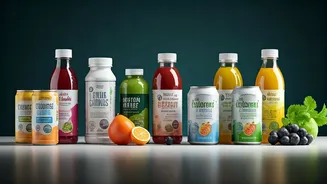
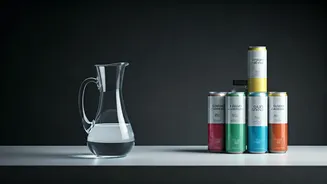
Walk into any upscale grocery store, and you’ll see it: a refrigerated section that looks less like a beverage aisle and more like a high-end apothecary. Here, pastel cans of sparkling water are infused with magnesium and L-theanine to 'unwind' your mind.
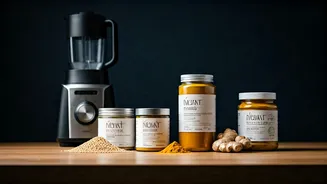
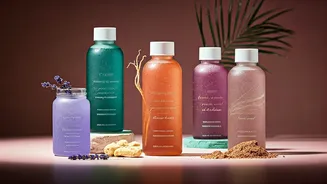
Earth-toned bottles contain mushroom elixirs with lion's mane for focus. And sleek, minimalist droppers offer tinctures of ashwagandha, an ancient herb now marketed as the ultimate stress-buster. This is the new face of wellness—a carefully curated, aesthetically pleasing world of 'functional beverages' and supplements. These aren't your parents' chalky vitamins. They are lifestyle products, designed to be displayed on your desk or pulled from your bag, signaling not just a desire for health, but a certain kind of modern sophistication.
Ancient Ritual, Modern Convenience
Many of the 'miracle' ingredients at the heart of this trend are anything but new. Ashwagandha, for example, is a cornerstone of Ayurveda, the traditional system of medicine in India, where it has been used for thousands of years as a 'Rasayana,' or rejuvenator. Similarly, medicinal mushrooms like reishi and chaga have long-standing roots in Traditional Chinese Medicine (TCM) and other indigenous practices for their immune-supporting properties. What's changed is the delivery system. The complex, holistic philosophies behind Ayurveda and TCM—which involve diet, lifestyle, and spiritual practice—have been distilled into a single, marketable ingredient. The process of preparing herbs or decoctions, once a ritual in itself, is now replaced by the simple act of twisting a cap or dissolving a powder. The promise is access to ancient wisdom, but with the convenience our fast-paced culture demands.
Selling Serenity by the Ounce
The success of these products hinges on brilliant marketing that sells an emotion as much as a physical good. The 'fancy bottle' is no accident. The minimalist design, soft color palettes, and elegant typography communicate calm, purity, and control in a chaotic world. Brands like Kin Euphorics sell 'social tonics' as a sophisticated alternative to alcohol, while Recess cans promise to be an 'antidote to modern times.' The language is aspirational, focusing on benefits like 'mental clarity,' 'balanced mood,' and 'restored vitality.' This isn't about curing a specific ailment; it's about optimizing the self. The high price point further positions these items as luxury goods, a small, justifiable indulgence in the name of self-care. You're not just buying a drink; you're buying into a calmer, more focused, more elegant version of yourself.
Convenience vs. Context
This boom raises complex questions. On one hand, advocates argue that it democratizes wellness, making beneficial herbs and adaptogens accessible to a wider audience that would never engage with traditional medicine directly. For many, a daily dose of rhodiola in their coffee is a more approachable entry point than a full consultation with an Ayurvedic practitioner. On the other hand, critics point to the significant loss of context. In their original traditions, these herbs are part of a holistic system; their use is often personalized and nuanced. When ashwagandha is sold as a generic 'stress reliever' for all, it strips away this specificity. There are also growing concerns about cultural appropriation—when global corporations profit from centuries of indigenous knowledge without proper credit or reciprocity—and questions about the efficacy and regulation of the products themselves. The dosage in a sparkling drink may not be potent enough to have a therapeutic effect, leaving consumers with little more than an expensive, well-branded beverage.