



1. The Rise of 'Social Wellness'
After years of compounding isolation, the cure for what ails us might not be in a bottle, but in a backyard barbecue. The U.S. Surgeon General has declared loneliness a public health epidemic, and the wellness world is finally catching up. 'Social wellness'
is the practice of nurturing deep, supportive relationships as a pillar of health. This summer, that looks like prioritizing block parties over boutique fitness classes, joining community garden projects, or starting a low-key walking club. It’s a return to the understanding that human connection is a powerful, non-negotiable nutrient for our mental and emotional health. Instead of tracking macros, people are tracking time with friends, recognizing that a long, laughter-filled dinner can be just as restorative as a perfect night's sleep.
2. Nature as a Non-Negotiable
The idea that being outside is good for you is hardly new, but its application is becoming more intentional. Forget simply 'getting some fresh air.' This trend is about actively engaging with the natural world as a form of therapy. It’s finding a 'sit spot' in a local park to visit daily, practicing 'forest bathing' (mindfully walking through the woods), or taking 'awe walks' specifically to look for things that inspire wonder. The science backs it up: time in nature is proven to lower cortisol, reduce blood pressure, and improve mood. This summer, wellness isn’t about a beach body; it’s about getting your feet on the actual beach, feeling the grass, and letting the quiet power of the outdoors recalibrate your nervous system.
3. The Analog Movement Renaissance
The fitness-industrial complex sold us on heart-rate monitors, connected bikes, and gamified apps. The pendulum is now swinging back toward simple, analog movement. Think less about closing rings and more about the joy of motion itself. This could mean rediscovering activities from childhood like roller skating or jumping rope, embracing the simple utility of rucking (walking with a weighted backpack), or exploring somatic practices like intuitive dance that reconnect mind and body. The goal is no longer to 'crush' a workout but to inhabit your body with more awareness and pleasure. It’s accessible, affordable, and a powerful antidote to the data-driven burnout that has come to define modern fitness for many.
4. Prioritizing Sensory Well-being
Our modern lives are an assault on the senses—harsh blue light, constant notification sounds, and a relentless stream of information. The counter-movement is a turn toward sensory wellness: intentionally curating what we see, hear, and smell to create a calmer internal state. This is manifesting in the growing popularity of sound baths, which use resonant frequencies to induce a meditative state, as well as a renewed interest in aromatherapy. At home, it’s simpler still. It’s about lighting a candle with a scent that grounds you, creating a tech-free 'quiet corner' in your home, or listening to a playlist of ambient sounds instead of a podcast. It’s a recognition that your nervous system is listening, and you can choose to feed it calm instead of chaos.
5. From Whole Foods to Food Simplicity
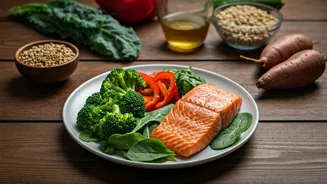
For a while, 'healthy eating' became incredibly complicated, involving elimination diets, expensive superfoods, and complex ingredient lists. The new direction is a return to radical simplicity. It’s less about exotic powders and more about the pleasure and nourishment of a perfectly ripe summer tomato from the farmers market. This trend champions simple, recognizable ingredients and intuitive eating. It prioritizes the social aspect of meals—cooking with family, sharing food—over rigid dietary rules. Wellness is found not in açaí imported from the Amazon, but in the strawberries you picked yourself or the simple grilled vegetables you share with a neighbor over the fence. It’s about nutrition, yes, but also about connection, seasonality, and pleasure.