






The New 'It' Bag Is Drinkable
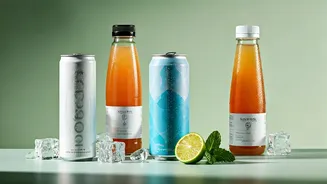
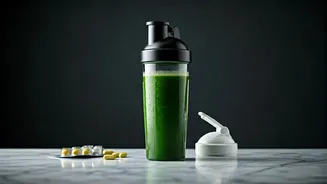
In cities across America, a subtle shift in social currency is taking place. The object of desire isn't worn on an arm but carried in hand. It’s the frosty shaker bottle of AG1 casually placed on a desk in a Zoom background, or the perfectly swirled,
$18 Hailey Bieber “Strawberry Glaze” smoothie from the celebrity-loved Los Angeles grocer Erewhon. These aren't just beverages; they are declarations. They announce that the holder is not only health-conscious but also has the disposable income and cultural awareness to participate in the highest echelons of the wellness world. Much like an Hermès Birkin bag signals immense wealth, clutching one of these carefully branded elixirs signals a commitment to a very specific, and very expensive, modern lifestyle.
Health as a Performative Art
What drives someone to spend nearly $100 a month on powdered greens or wait in line for a smoothie that costs as much as a nice bottle of wine? The answer lies in the performance of wellness. In a world saturated by social media, our choices are constantly on display, and health has become a key part of our projected identity. Posting a morning ritual that involves a meticulously prepared nutrient drink is a powerful piece of personal branding. It says, 'I am disciplined. I invest in myself. I am part of the wellness in-crowd.' It’s a convenient, photogenic shortcut to demonstrating self-care. Unlike the invisible work of getting eight hours of sleep or managing stress, a nutrient drink is a tangible, visible symbol of your efforts. It’s health, bottled and made for Instagram.
The High Price of Entry
Exclusivity is a key ingredient in any status symbol, and the price point of these drinks is no accident. It’s a feature, not a bug. Athletic Greens’ AG1 costs around $99 for a 30-day supply. The viral celebrity smoothies at Erewhon regularly hover between $17 and $22. This financial barrier ensures that not everyone can participate, which, in turn, makes participation more desirable. The high cost transforms the act of drinking vitamins from a simple health choice into an aspirational luxury. It creates a club, and the daily ritual of mixing or buying your drink is your membership due. The cost implies premium quality, whether scientifically proven or not, and justifies the purchase not just as a health supplement, but as an investment in a certain kind of life.
Beyond the Ingredients
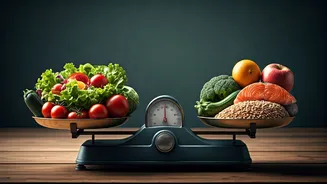
Nutritionally, the story is more complex. Many of these drinks are, in fact, packed with vitamins, minerals, probiotics, and adaptogens. For busy people, they can feel like a nutritional insurance policy—a quick way to tick the “health” box in a hectic day. Skeptics and nutritionists, however, often point out that a well-balanced diet of whole foods can provide similar, if not better, benefits for a fraction of the cost. But this debate almost misses the point. People aren’t just buying nutrients; they’re buying a feeling. They’re buying into a community, an aesthetic, and the promise of optimization. The sleek packaging, the influencer endorsements, and the communal experience of it all are just as important as the spirulina or ashwagandha inside. It’s a holistic brand experience where the product is both the liquid and the lifestyle it represents.