






What Makes Jojoba Oil Different?
Walk down any beauty aisle, and you'll find countless oils promising miracles for your hair—coconut, argan, castor. So what makes jojoba (pronounced ho-ho-ba) oil stand out? The secret is in its science. Unlike other plant oils, jojoba oil isn't technically
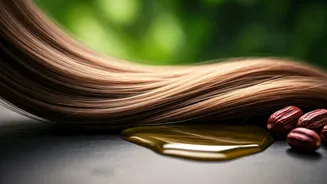
an oil; it's a liquid wax ester. This is significant because its molecular structure is remarkably similar to sebum, the natural oil produced by our own scalps. While other oils coat the hair shaft, jojoba oil's likeness to sebum allows it to absorb more readily without leaving a heavy, greasy residue. This unique property makes it a versatile MVP that can moisturize, protect, and balance both your hair and scalp, setting the stage for a radically simplified routine.
Replace Your Mask and Your Sealant
One of the most effective ways to use jojoba oil is as a pre-shampoo treatment or a deep conditioner. Instead of buying a separate hair mask, you can work a quarter-sized amount of jojoba oil through your dry hair, focusing on the mid-lengths and ends. Let it sit for at least 20-30 minutes (or even overnight for a more intensive treatment) before washing as usual. The oil penetrates the hair cuticle to deliver deep moisture from within. For those with curly, coily, or very dry hair, it also works as a sealant. After applying your leave-in conditioner to damp hair, smooth a few drops of jojoba oil over your strands to lock in that hydration and prevent moisture loss throughout the day. This one bottle can effectively take the place of both a weekly mask and a daily sealing oil.
Soothe and Balance Your Scalp
A healthy scalp is the foundation of healthy hair, but many scalp treatments are harsh or require their own separate step. Jojoba oil simplifies scalp care. Because it mimics your natural sebum, it can help balance oil production—moisturizing a dry, flaky scalp without over-saturating an oily one. Its natural properties are also known to be gentle and soothing. To use it, part your hair and apply a few drops directly to your scalp, massaging it in gently with your fingertips. Its non-comedogenic nature means it's less likely to clog pores, making it a great option for maintaining scalp health without causing buildup. A simple scalp massage with jojoba oil once or twice a week can replace specialized scalp serums and help create an optimal environment for hair growth.
Tame Frizz and Add Shine
That final step in a styling routine—the one designed to smooth flyaways and add a glossy finish—is often handled by a silicone-based serum. Jojoba oil can do the same job, minus the synthetic ingredients. Once your hair is dry and styled, rub just one or two drops of oil between your palms to warm it up. Lightly skim your hands over the surface of your hair, focusing on any frizzy areas or unruly ends. The oil will smooth the hair cuticle, reduce the appearance of frizz, and impart a natural-looking shine without weighing your hair down. A single bottle of jojoba oil can now replace your pre-shampoo treatment, your deep conditioner, your scalp serum, and your finishing product.
How to Choose the Right Jojoba Oil
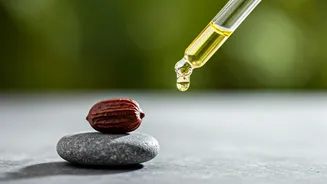
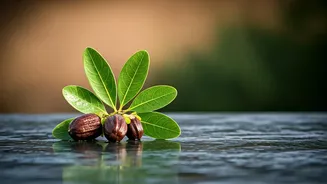
To get the most out of this multitasking ingredient, a little bit of label-reading goes a long way. Look for jojoba oil that is described as “100% pure,” “cold-pressed,” and “unrefined” or “virgin.” Cold-pressing ensures that the nutrients and beneficial properties of the plant's seeds are not destroyed by heat during the extraction process. Unrefined oil will have a natural, golden-yellow color and a slightly nutty scent, which is a sign that it hasn't been chemically treated or bleached. Since it’s so potent, you only need a small amount for each application, meaning one bottle will last a surprisingly long time, further simplifying not just your routine but your shopping list, too.