

Beyond the Salisbury Steak
For decades, the term “ready meal” conjured a very specific image: a partitioned plastic tray holding a pallid Salisbury steak, some gluey mashed potatoes, and a few sad peas. It was food as pure function—a quick, uninspired way to fill a void. While
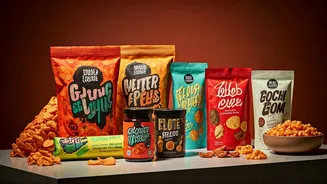
those classics haven't vanished, they're being rapidly overshadowed by a much more exciting and delicious movement. Walk through any major grocery store today, and you’ll see the evidence. The freezer section is bursting with color and international flair. Brands are moving away from the processed, preservative-heavy formulas of the past and embracing whole ingredients, cleaner labels, and, most importantly, bold, authentic flavors from around the globe. This isn't just about adding a pinch of curry powder to a chicken dish; it’s a fundamental shift in what Americans expect from convenience.
The Two Forces Driving the Trend
So, what’s behind this culinary revolution? It’s a story driven by two powerful consumer forces. First, there's the growing and increasingly influential South Asian diaspora in the United States. For first- and second-generation immigrants, the desire for the complex, comforting flavors of home often clashes with the time constraints of modern American life. Making a proper chicken biryani or palak paneer from scratch can take hours—a luxury many don't have on a weeknight. Brands like Deep Indian Kitchen and Tandoor Chef saw this gap in the market, offering authentic-tasting dishes that could be ready in minutes. Second, the American palate has become significantly more adventurous. Thanks to travel, food media, and the internet, consumers who aren't of South Asian descent are actively seeking out the nuanced, spicy, and aromatic flavors of Desi cuisine. They want real saag, not a watered-down spinach curry, and they’re willing to pay for convenient access to it.
Redefining “Healthy” Convenience
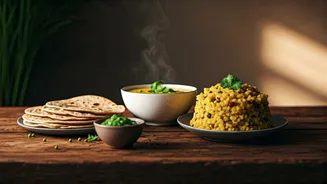
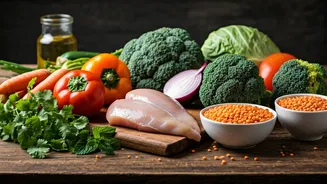
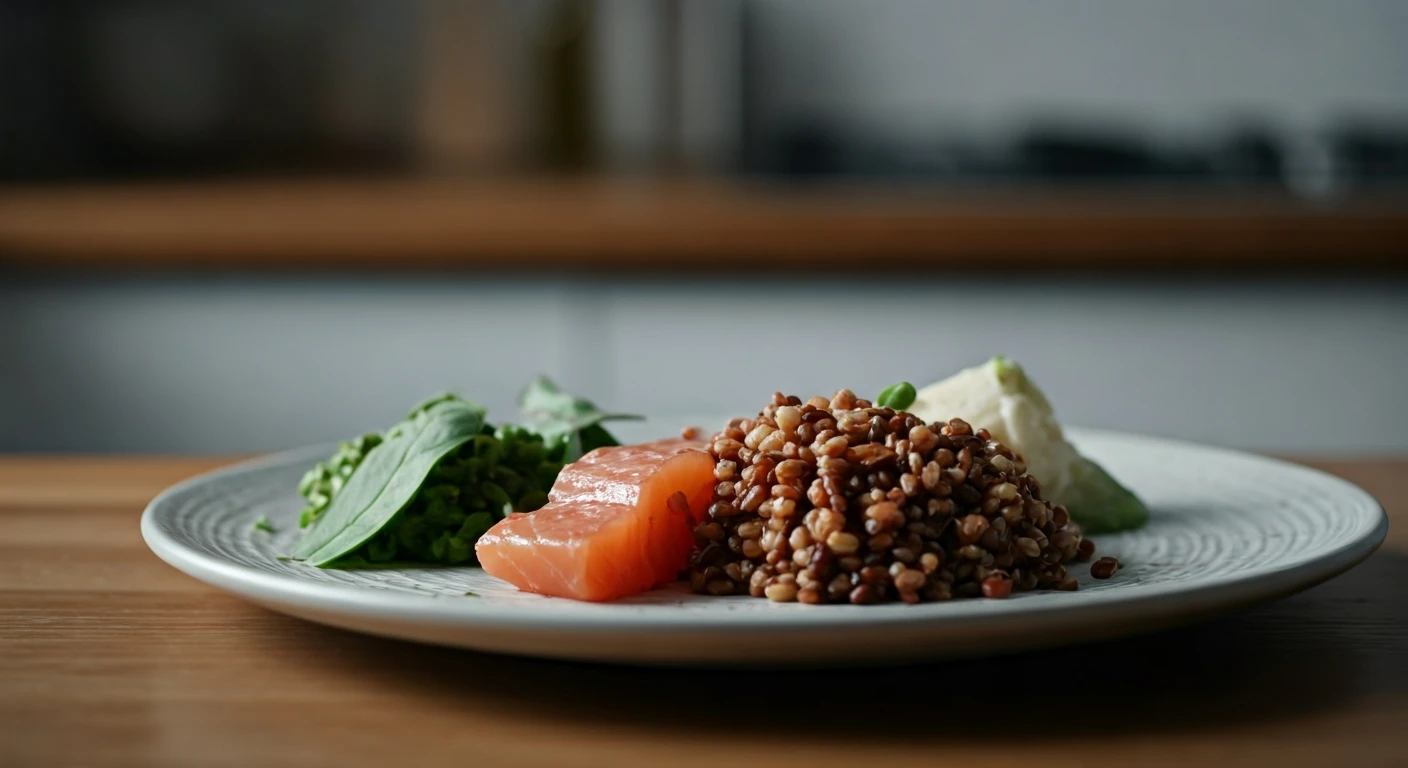
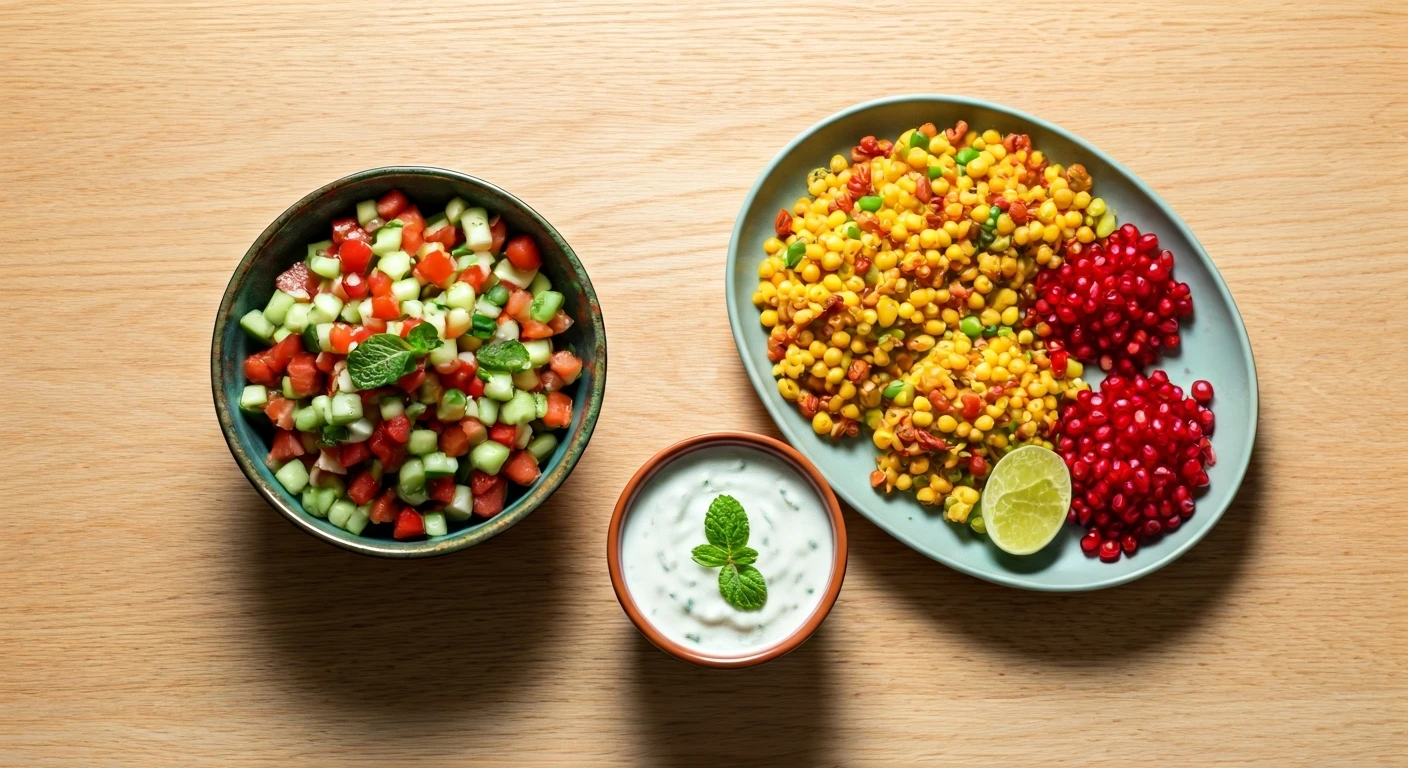
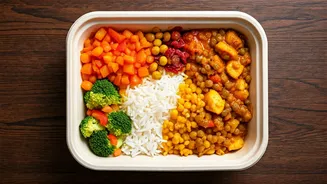
The other half of the headline is just as important: these meals are getting healthier. The old model of “healthy” frozen meals often meant “diet” food—low-calorie, low-fat, and usually low-flavor concoctions loaded with artificial ingredients. The new wave of Desi ready meals is flipping that script. Their version of healthy is about what’s *in* the food, not just what’s been taken out. You’ll see marketing callouts for “all-natural ingredients,” “non-GMO,” and recipes built around vegetables, legumes, and lean proteins. Many brands in this space, such as Saffron Road, are also Halal-certified, appealing to a specific dietary and religious consumer base while signaling a commitment to quality standards that resonates with a broader audience. Dishes like chana masala (chickpeas) and dal (lentils) are naturally vegetarian and packed with fiber and protein, aligning perfectly with the growing interest in plant-based eating. It’s a wellness pitch that feels modern, holistic, and far more appealing than a simple calorie count.
From Niche Market to Mainstream Staple
What started as a niche offering in specialty stores has officially hit the mainstream. You can find high-quality Desi ready meals in the frozen aisles of Walmart, Target, and Kroger. Deep Indian Kitchen, for instance, has become a dominant player by focusing on restaurant-quality recipes and branding that feels both authentic and accessible. Their Chicken Tikka Masala and Spinach Paneer are freezer aisle bestsellers. Saffron Road offers a wider range of global cuisines but has found significant success with its Indian entrees like Lamb Saag and Coconut Curry Chicken. Even Trader Joe’s has a cult following for its frozen Indian offerings, from the vegan Tikka Masala to its garlic naan. The success of these brands proves that consumers are no longer willing to compromise. They want food that is fast, but they also demand that it be flavorful, authentic, and made with ingredients they can feel good about.