


The Emerald Coast Awakens
For most of the year, the Konkan Coast—a rugged, 450-mile stretch of shoreline hugging the Arabian Sea from north of Mumbai down to Goa and Karnataka—is a place of sun, sand, and sea. It’s a classic tropical destination. But when the southwest monsoon
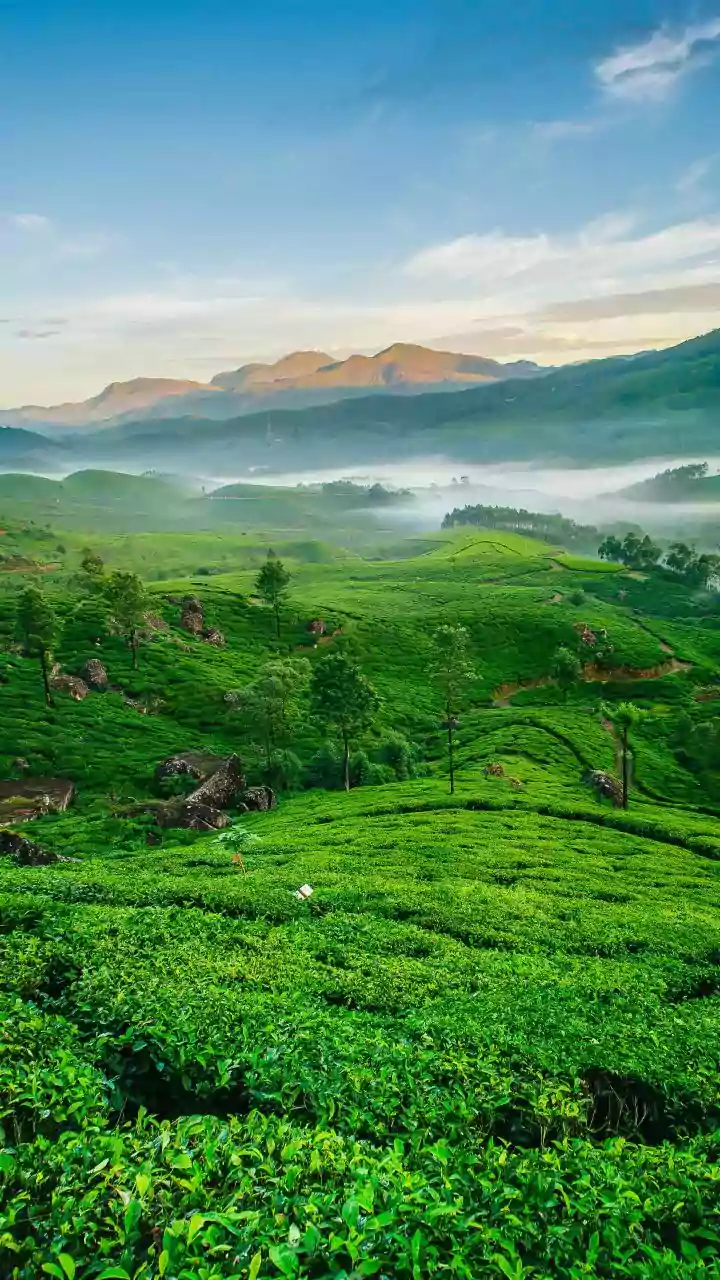
arrives, typically in June, the region undergoes a profound metamorphosis. The parched, sun-baked landscape drinks in the rain and explodes into an almost impossibly vibrant emerald. The dust settles, the heat breaks, and a cool, misty veil descends upon the hills of the Western Ghats that form the coast’s spine. This isn’t the tourist season. It’s something quieter, more intimate, and, for the right kind of traveler, infinitely more magical.
A Symphony in Gray and Green
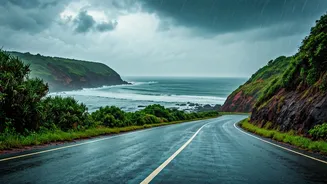
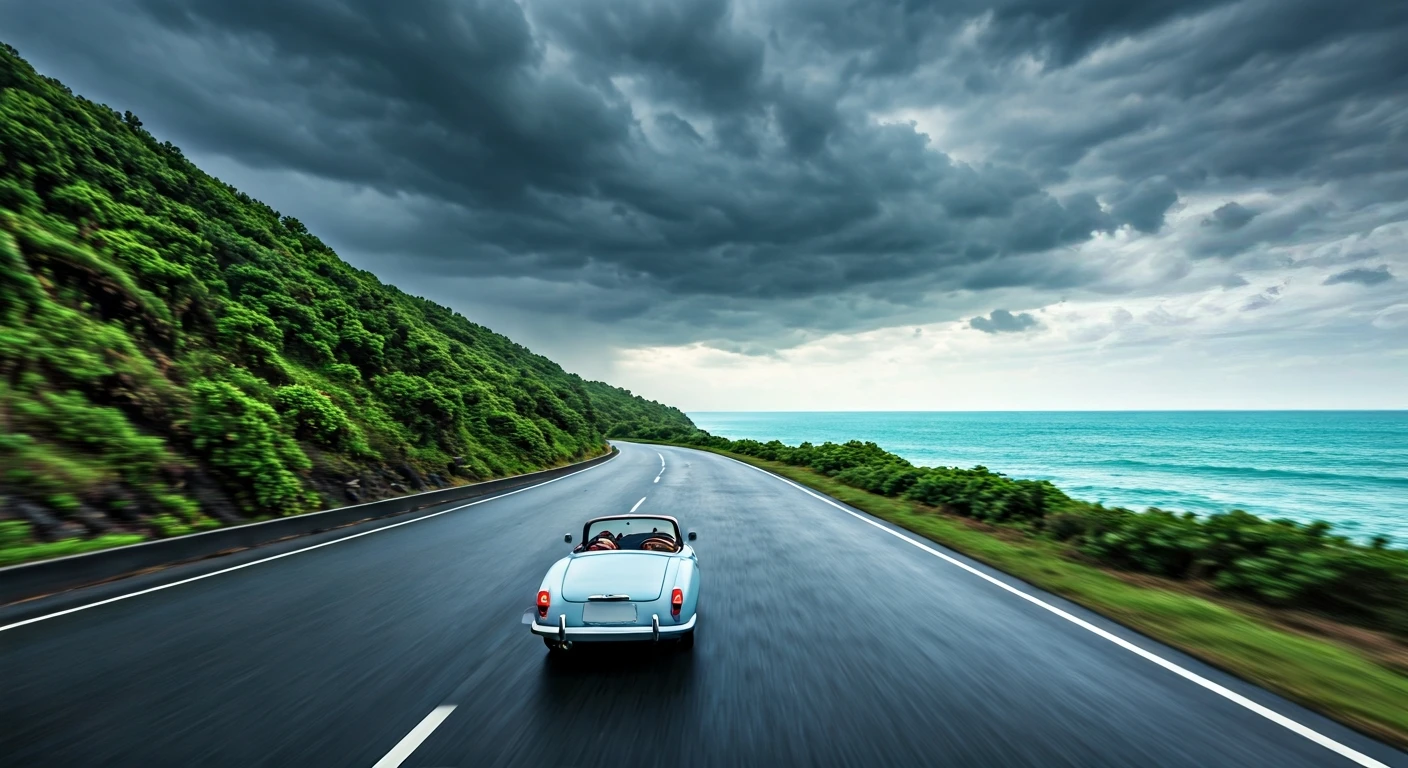
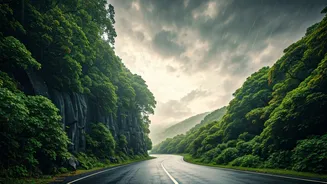
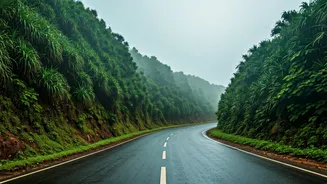
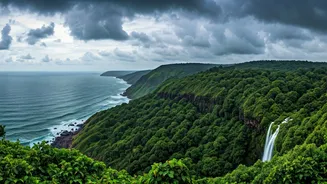
The “soft glow” of a Konkan monsoon trip is no exaggeration; it’s a physical reality. The perpetual cloud cover acts as a giant softbox, diffusing the harsh tropical sun into a gentle, even light. This muted luminescence makes the colors of the landscape pop with an intensity you rarely see. The brilliant green of new-growth rice paddies is stark against the slate-gray sky. The red, laterite soil turns a deep, rich ochre when wet. Waterfalls, temporary and magnificent, cascade down black rock faces, their white foam a brilliant contrast to the dark stone. Driving through this world feels like moving through a living watercolor painting. The air is thick with the smell of petrichor—the intoxicating scent of rain hitting dry earth—and the soundscape is a constant, soothing rhythm of falling water.
The Journey, Not the Destination
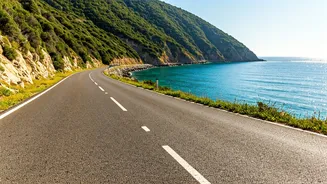
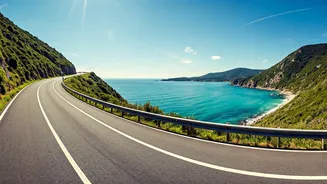
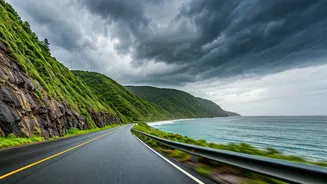
A monsoon road trip here is the antithesis of a point-A-to-point-B commute. The main artery, National Highway 66, winds and twists through hills and villages, offering stunning vistas at every turn. But this is slow travel. The rain can make roads slick, and progress is often impeded by mist or the sheer beauty of the surroundings, which demands frequent stops. You pull over not for a specific viewpoint, but simply because the light has caught a curtain of mist hanging in a valley just so. It’s a journey for those who relish the drive itself—the feeling of being enveloped by nature, with few other tourists to break the spell. While the high season brings crowds to Goa’s beaches, the monsoon offers a kind of serene solitude that feels like a well-kept secret.
Potholes and Piping-Hot Pakoras
This romantic vision isn't without its practical realities. Roads can be riddled with potholes, and the occasional small landslide might add an unscheduled detour to your itinerary. But these minor challenges are part of the adventure, a small price for the immense reward. Besides, they provide the perfect excuse to pull over at a roadside shack, or *dhaba*. These humble eateries are the heart of any Indian road trip, and in the monsoon, they are beacons of warmth and comfort. There is no greater pleasure than huddling under a tin roof, watching the downpour outside while sipping a cup of sweet, milky chai. Pair it with a plate of *kanda bhaji* (onion fritters) or piping-hot *pakoras*, fresh from the fryer, and you have a culinary experience as memorable as any fine-dining meal.
Finding Shelter in History
The journey also offers a chance to explore the region’s rich history without the crowds. The Konkan Coast is dotted with ancient sea forts, perched on cliffs and islands, that once guarded maritime trade routes. In the monsoon, exploring a place like Murud-Janjira or Sindhudurg Fort takes on a dramatic, atmospheric quality. The rain-slicked stone walls, the wind whipping off the Arabian Sea, and the echoing emptiness of the ramparts create a powerful connection to the past. The beaches, too, are transformed. They are not for swimming—the currents are far too dangerous—but for walking. On an empty stretch of sand, with gray waves crashing and a light drizzle falling, the coastline reveals a wild, contemplative beauty that’s entirely its own.