




More Than Just Green Tea
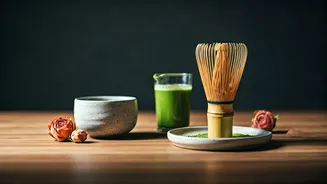
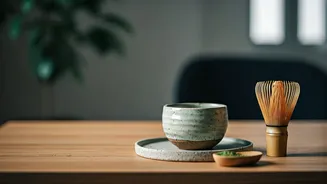
So, what exactly is a matcha party? It’s less of a 'party' in the traditional sense and more of a curated, communal experience. Instead of grabbing pre-made drinks, guests often participate in the process itself. Picture this: a low table, a collection
of ceramic bowls (chawan), bamboo whisks (chasen), and small scoops (chashaku). The host provides high-quality matcha powder and hot water, and everyone learns to prepare their own bowl. The focus is on the slow, deliberate motions of sifting the powder, adding water, and whisking it into a frothy, emerald-green liquid. It’s an activity-based hangout where the main event is the shared, meditative ritual. Unlike a coffee date, which is often a quick pit stop, the matcha ceremony encourages guests to slow down, be present, and engage in a tactile, hands-on process together.
A New Kind of Social Lubricant
One of the biggest drivers behind the matcha party trend is its role as an alternative to alcohol-centric socializing. A growing 'sober curious' movement among younger generations has created a demand for hangouts that don't revolve around drinking. While older millennials might have defaulted to 'grabbing a beer' or 'meeting for wine,' many Gen Zers are seeking social lubricants that don’t come with a hangover. The matcha party fills this void perfectly. It provides a sophisticated, adult-feeling ritual without intoxication. The focus shifts from the disinhibiting effects of alcohol to the calming, focusing properties of matcha, which contains L-theanine, an amino acid known for promoting relaxation without drowsiness. It’s a way to connect deeply and have meaningful conversations in a clear-headed, intentional setting, redefining what it means to 'unwind' with friends.
Curated for the 'Gram (and Beyond)
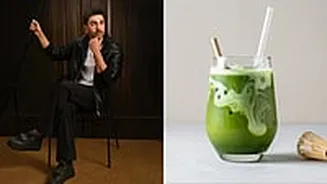
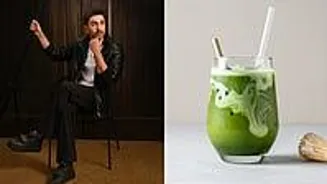
Let’s be honest: aesthetics play a huge role here. The entire experience is incredibly photogenic. The vibrant, almost neon green of the matcha against a neutral ceramic bowl, the delicate bamboo tools, the potential for latte art—it’s a visual feast tailor-made for a generation that communicates through images. The rise of matcha parties coincides with the popularity of 'that girl' wellness aesthetics on platforms like TikTok and Instagram, where creating a beautiful, healthy, and organized life is a celebrated goal. But the appeal is deeper than just getting a good picture. This aesthetic-driven approach is about romanticizing daily life and finding beauty in small rituals. The visual harmony of a matcha party reflects a desire for order, calm, and intentionality in one's social life, making the experience feel special and elevated from the everyday.
Wellness as a Shared Experience
Ultimately, the matcha party is a physical manifestation of the wellness movement evolving from a solo pursuit into a communal activity. For years, self-care was often framed as something you do alone: a face mask, a bath, a solitary yoga session. This trend reframes wellness as a source of social connection. Friends can gather to enjoy the health benefits of matcha—it’s packed with antioxidants and known for boosting metabolism and mood—while also strengthening their bonds. It’s a hangout that leaves you feeling restored rather than drained. In a world of constant digital noise and pressure, an afternoon spent quietly whisking tea with friends offers a rare moment of collective mindfulness. It’s not just a party; it’s a group reset button.