


1. Rethink Your Containers
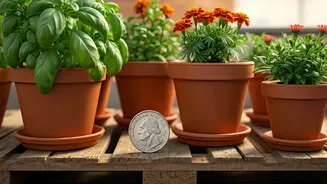
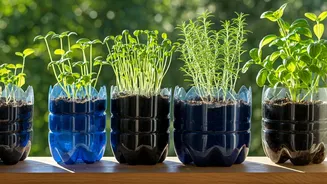
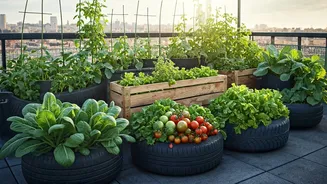
The biggest initial expense is often containers. Instead of pricey ceramic pots, think lightweight and low-cost. Fabric grow bags are an excellent, affordable option that promotes healthy roots through air-pruning and are exceptionally light. You can
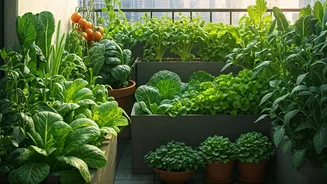
also upcycle. Food-grade 5-gallon buckets from bakeries or restaurants, wooden crates lined with burlap, or even sturdy tote bags can become fantastic planters. Just make sure to drill plenty of drainage holes in the bottom. Before you place anything, confirm your rooftop's load-bearing capacity. Spreading the weight out is key, so groups of smaller, lighter pots are often better than one massive, heavy planter.
2. Don't Buy Bagged 'Potting Soil'
Those small, expensive bags of potting mix from the garden center are convenient but costly. To fill a rooftop garden, you'll need volume. The most economical approach is to create your own soil mix. A classic, lightweight recipe is the “Mel’s Mix” formula: one part compost, one part peat moss or coco coir (for moisture retention), and one part vermiculite or perlite (for aeration). You can often buy these components in large bales or bags from a landscape supply company for a fraction of the cost of pre-mixed soil. Your city may also offer free or cheap compost from its municipal yard waste program.
3. Get Smart About Watering
Rooftops are windy and sunny, meaning your plants will dry out fast. An automated drip irrigation system is nice but not necessary. Your best tool is a simple watering can and a consistent schedule. Water deeply in the early morning to minimize evaporation. For a DIY self-watering system, you can create a wicking bed using recycled plastic bottles or pipes in the base of your containers. Another ancient, low-tech solution is an 'olla'—an unglazed terracotta pot buried in the soil. You fill the olla with water, and it slowly seeps out, delivering moisture directly to the roots as the soil dries.
4. Choose Hardy, High-Yield Plants
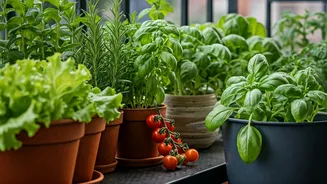
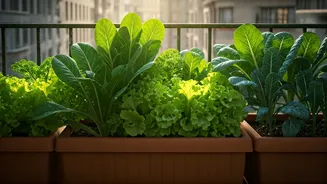
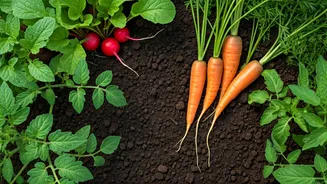
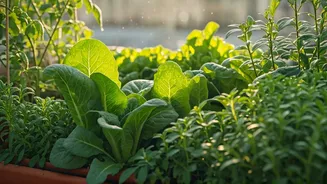
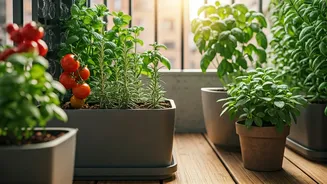
Don't start with finicky plants that require constant attention. Opt for varieties that are known for being productive and resilient. Leafy greens like lettuce, kale, and Swiss chard can be harvested repeatedly. Herbs such as basil, mint, and rosemary thrive in containers and provide huge flavor for your kitchen. For vegetables, look to bush beans, peas, and compact varieties of tomatoes and peppers specifically bred for container gardening. Starting from seed is almost always cheaper than buying starter plants, so a few packets of seeds can provide a whole season of produce.
5. Build Your Own Plant Supports
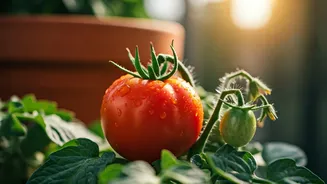
Vining plants like tomatoes, cucumbers, and peas will need something to climb. Skip the fancy metal cages and trellises. You can build perfectly functional supports for next to nothing. Simple bamboo stakes are inexpensive and effective. A web of twine strung between a few posts can create a perfect pea trellis. Look for sturdy, pruned tree branches on the curb after a storm to use as natural-looking stakes for your tomato plants. A simple A-frame made from scrap wood can support even heavy cucumber vines.
6. Feed Your Garden for Free
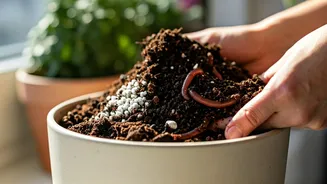
Productive gardens are hungry gardens, but you don't need to buy blue chemical fertilizers. Start a small compost bin. Even on a rooftop, a compact worm bin (vermicomposting) can turn your kitchen scraps into black gold for your plants with no smell. If that's too much, you can still make 'compost tea' by steeping a shovelful of compost in a bucket of water overnight. Other free fertilizers are all around you: crushed eggshells add calcium, and used coffee grounds provide a gentle nitrogen boost for leafy greens. Just apply them sparingly.
7. Practice Low-Tech Pest Control
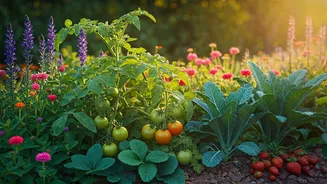
Before you reach for a chemical spray, remember your best pest control tools are your own two hands. Hand-picking larger pests like tomato hornworms is highly effective. A simple spray bottle filled with water and a few drops of dish soap can dehydrate aphids and other soft-bodied insects. You can also practice companion planting: tucking marigolds around your tomatoes can deter some nematodes and pests, while planting basil nearby is said to improve tomato flavor and repel certain insects. A healthy garden is the best defense, so focus on good soil and consistent watering first.