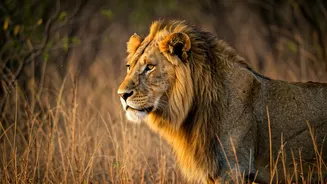









The Last Lions of Asia
In the world of big cats, the Asiatic lion is a conservation miracle. Once roaming from the Middle East to India, these magnificent animals were hunted to the brink of extinction. By the early 20th century, a mere dozen were left, all within the hunting
grounds of a local ruler in Gujarat, India. A timely hunting ban and decades of dedicated conservation efforts turned the tide. Today, the population has rebounded to over 600 lions, but their entire wild population lives in one place: Gir National Park. This makes a Gir safari profoundly different from its African counterpart. The lions here are slightly smaller, with a distinctive fold of skin on their bellies and a sparser mane on the males. Seeing one isn't just a wildlife sighting; it's a living encounter with a species pulled back from oblivion. Watching a pride navigate the dry, teak-dotted forest or hearing a male's roar echo through the scrubland is a powerful, almost spiritual experience for any wildlife lover. It’s a testament to the fact that with effort, we can reverse even the most dire environmental losses.
The Monsoon Deadline
The urgency in the headline isn’t just for effect. Gir National Park operates on a strict natural calendar. Every year, the park closes its gates to all visitors from June 16th through October 15th. This isn't an arbitrary decision but a necessary measure dictated by the arrival of the powerful Indian monsoon. The torrential rains transform the dry, dusty landscape into a lush, green wilderness. While vital for the ecosystem, the deluge makes the unpaved safari trails impassable and dangerous. More importantly, the monsoon season is a crucial breeding period for much of Gir’s fauna, including the lions. Closing the park gives the animals the peace and quiet they need to mate and raise their young without the disturbance of safari vehicles. For travelers, this means the window to visit is finite. If you want to see the lions before next fall, you have until mid-June to do it.
More Than Just Big Cats
While the Asiatic lion is undeniably the main attraction, Gir is a rich and vibrant ecosystem teeming with other life. It boasts one of the highest densities of leopards in India, though their elusive nature makes them a thrillingly rare sight. The park’s reservoirs are home to marsh crocodiles, often seen basking on the banks. Herbivores are abundant, with large herds of Sambar (India's largest deer), graceful Chital (spotted deer), and the unique Nilgai, or blue bull, the largest antelope in Asia. The forest is also a birdwatcher’s paradise, with over 300 species recorded, including the crested serpent eagle and the endangered white-backed vulture. A trip to Gir is a holistic wildlife experience, offering a glimpse into a complete and thriving Indian forest ecosystem, with the lions reigning at the top.
Planning Your Last-Minute Safari
Inspired to make a run for it? A little planning goes a long way. Safaris in Gir, known as 'Gir Jungle Trail' tours, must be booked in advance. Permits are released online via the official park website and are snapped up quickly, especially for weekend slots. You can’t just show up and expect to get in. There are several safari zones, and permits are assigned randomly, but every zone offers a chance to see lions. The main gateway town is Sasan Gir, which has a range of accommodations, from basic guesthouses to luxury wildlife resorts. The best times for sightings are typically early morning and late afternoon. While the pre-monsoon heat of April and May can be intense, it often forces animals to congregate around waterholes, increasing your chances of a memorable encounter. Be prepared for a rustic adventure; the goal is to see wildlife in its natural habitat, not in a curated park. Hire a good guide, bring your binoculars, and embrace the thrill of the chase.